What is Pall Nozzle and Why is it Essential for Your Needs?
In the realm of industrial filtration, the "Насадка Pall" stands out as a critical component. Its unique design aids in optimizing performance and enhancing efficiency. As noted by Dr. Elena Petrov, a leading expert in filtration technology, “The Насадка Pall transforms processes by providing unparalleled precision.”
This innovative nozzle is essential for various applications, from pharmaceuticals to food processing. Its ability to remove contaminants ensures product safety and compliance with stringent industry standards. Users often report better yield and reduced waste when employing this technology.
While the benefits are clear, some professionals still hesitate to adopt new technologies like the Насадка Pall. Change can be daunting, and certain intricacies still require exploration. Understanding its full potential may involve trial and error, prompting users to rethink traditional methods. Nevertheless, the investment in this advanced nozzle often pays off, delivering measurable results over time.
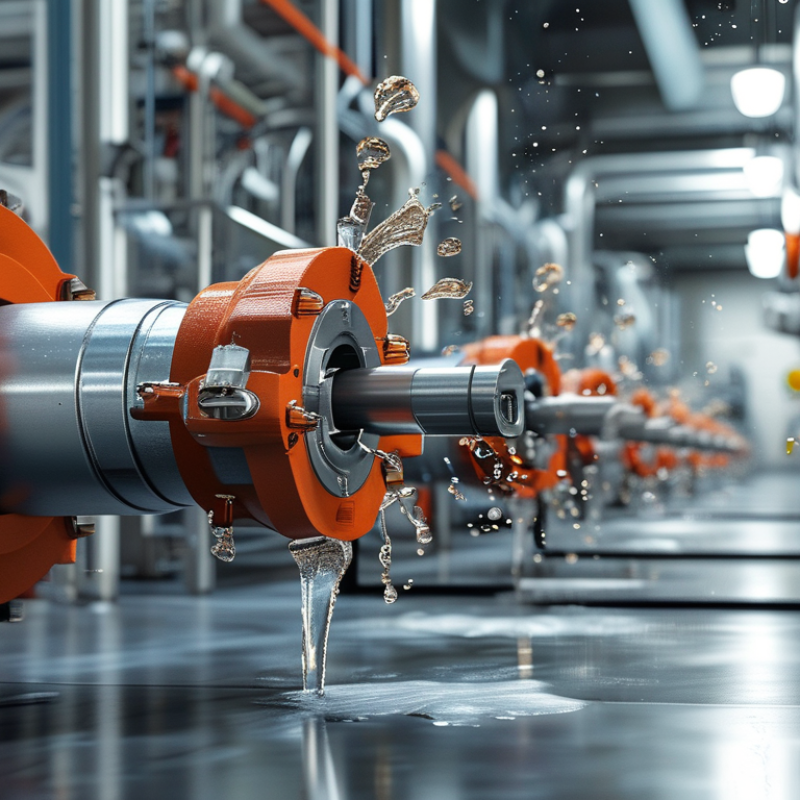
What is a Pall Nozzle and Its Functionality in Various Applications?
Pall Nozzles are crucial components in various industrial applications, particularly in fluid management systems. These nozzles facilitate efficient fluid flow and distribution. They enhance performance by minimizing turbulence. According to recent industry reports, optimized fluid dynamics can improve energy efficiency by up to 30%. This is significant for industries where operational costs are tightly controlled.
In chemical processing, Pall Nozzles provide precision in maintaining desired flow rates. They prevent blockages and ensure smooth operations. A study from the Fluid Dynamics Institute highlighted that proper nozzle design can lower the likelihood of cavitation, a major issue leading to equipment failure. This data underscores the importance of choosing high-quality nozzles for longevity and reliability.
However, not all applications may require the same type of nozzle. The context of use and specific requirements must be analyzed. For instance, in waste treatment facilities, the choice of nozzle can influence sludge dispersal and treatment efficiency. Adapting to diverse needs while being aware of potential limitations ensures better system performance.
Understanding the Design and Components of Pall Nozzles
Pall nozzles play a crucial role in various industries. Their design is centered around enhancing fluid mechanics, ensuring efficiency and safety in operations. A typical pall nozzle consists of a well-engineered structure that allows precise fluid dispersion, often featuring multiple exit points to optimize flow. The choice of materials is important, as they must withstand harsh conditions while maintaining performance.
When selecting a pall nozzle, consider the application type. Different processes may require specific designs or materials to meet operational needs. It's also essential to assess the pressure and flow rate requirements, as these factors can significantly affect performance. Regular maintenance checks help ensure that nozzles function optimally and can catch wear or blockages early.
Remember that not every nozzle fits every application. Take time to evaluate options and consult with professionals if unsure. It's easy to overlook these details in the planning phase, but doing so could lead to inefficiencies later. Investing in the right pall nozzle and understanding its components is key to achieving the desired outcomes in your operations.
The Role of Pall Nozzles in Fluid Dynamics and Efficiency Enhancement
Pall nozzles play a vital role in fluid dynamics, enhancing efficiency in various applications. These nozzles control flow direction and velocity, significantly impacting performance. They enable optimal mixing and minimize energy loss in fluid systems. For example, industries like chemical manufacturing and wastewater treatment rely on pall nozzles to ensure precise fluid management.
Proper selection and placement of pall nozzles can maximize their efficiency. Consider the specific fluid characteristics and system requirements before installation. Understanding the flow patterns will aid in achieving better results. Don't overlook maintenance either; regular checks can prevent blockages and performance issues.
Despite their importance, mistakes can occur. Some may underestimate the impact of nozzle design on overall performance. It's crucial to adapt designs based on real-time data. The right approach ensures fluid systems operate smoothly and effectively, meeting various industry needs.
Pall Nozzle Performance Comparison
This chart illustrates the flow efficiency of different Pall Nozzle models, highlighting their performance in fluid dynamics applications. Understanding these efficiencies can aid in selecting the right nozzle for enhancing operational performance.
Key Industries Utilizing Pall Nozzles and Application Statistics
Pall nozzles play a crucial role in various industries. They are essential for processes like filtration, spray systems, and fluid management. Key sectors include pharmaceuticals, food and beverage, and chemical processing. These industries rely on pall nozzles to ensure operational efficiency and product quality.
In the pharmaceutical sector, pall nozzles help maintain sterility during production. This is vital for ensuring patient safety. Likewise, in food and beverage processing, they allow for gentle handling of sensitive ingredients. Proper use of pall nozzles can prevent waste and enhance flavor extraction. Statistics indicate that companies adopting these nozzles significantly reduce downtime by up to 20%.
Chemical processing also benefits from pall nozzles. Their precision prevents unwanted reactions and enhances yield. However, there can be challenges in implementing them. Not all facilities may have the expertise needed to optimize their use. This gap presents opportunities for further training and support. Understanding the specific needs of each application is critical for success.
Comparative Analysis: Pall Nozzles Versus Traditional Nozzle Designs
Pall nozzles represent a significant advancement in nozzle design compared to traditional models. Designed for precise applications, these nozzles ensure consistent flow rates and improved efficiency, particularly in high-demand settings. Traditional nozzles often struggle with uneven sprays or clogging issues, leading to reduced performance. Pall nozzles mitigate these problems through innovative engineering that enhances fluid dynamics.
When evaluating the effectiveness of these nozzles, consider the specific needs of your applications. Traditional designs may suffice for simple tasks, but complex systems benefit from the superior performance of Pall nozzles. Their streamlined design minimizes turbulence, providing better distribution and coverage. Users often notice a difference in output quality with Pall nozzles, especially during critical processes.
It's wise to assess your operational environment before deciding. A thorough analysis of flow rates, pressure requirements, and fluid types can guide your choice. Real-world testing can reveal unexpected challenges. Understanding these factors will help you optimize your setup. Seek feedback from peers or conduct trial runs to evaluate the performance differences yourself. This will lead to more informed decisions.
What is Pall Nozzle and Why is it Essential for Your Needs? - Comparative Analysis: Pall Nozzles Versus Traditional Nozzle Designs
| Feature | Pall Nozzle | Traditional Nozzle |
| Design Efficiency | High (Optimized fluid dynamics) | Moderate (Standard design) |
| Maintenance | Low (Easy cleaning and replacement) | High (Frequent maintenance needed) |
| Flow Rate | Consistent and adjustable | Variable, often inconsistent |
| Initial Cost | Higher upfront investment | Lower initial cost |
| Long-term Savings | Significant due to efficiency | Minimal savings over time |
| Applications | Versatile (Multiple industrial uses) | Limited to specific applications |