Why Rigid Flex Circuits Are Revolutionizing Modern Electronics?
In today's fast-paced tech world, rigid flex circuits are transforming electronics. Dr. Amelia Chen, a leading expert in flexible circuit technology, emphasizes, "Rigid flex circuits combine the best of both worlds." This innovation is reshaping how devices are designed and manufactured.
The unique combination of rigid and flexible components allows for lighter and more compact designs. These circuits are particularly beneficial for wearables and portable electronics. However, the manufacturing process is complex, posing challenges for engineers. As companies strive to integrate rigid flex technology, they often face unexpected hurdles.
Designers must carefully evaluate the circuit's layout and materials. Rigid flex circuits can enhance performance, but some projects may experience delays. There is a learning curve involved, as teams adapt to this evolving technology. In the ever-changing landscape of electronics, rigid flex circuits hold immense potential, yet require careful consideration and innovative thinking.

The Emergence of Rigid Flex Circuits in Electronics Design
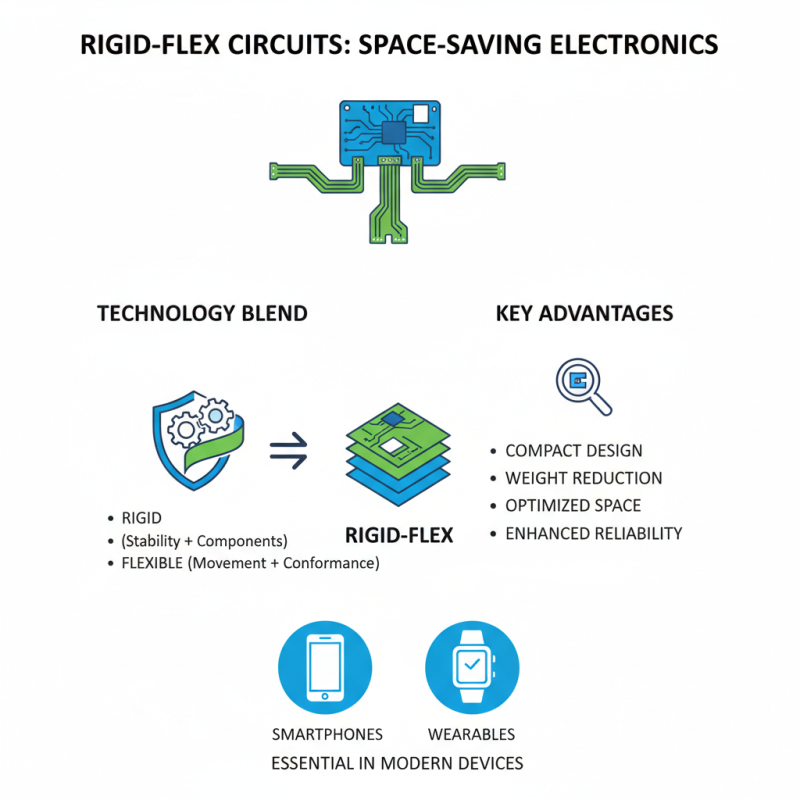
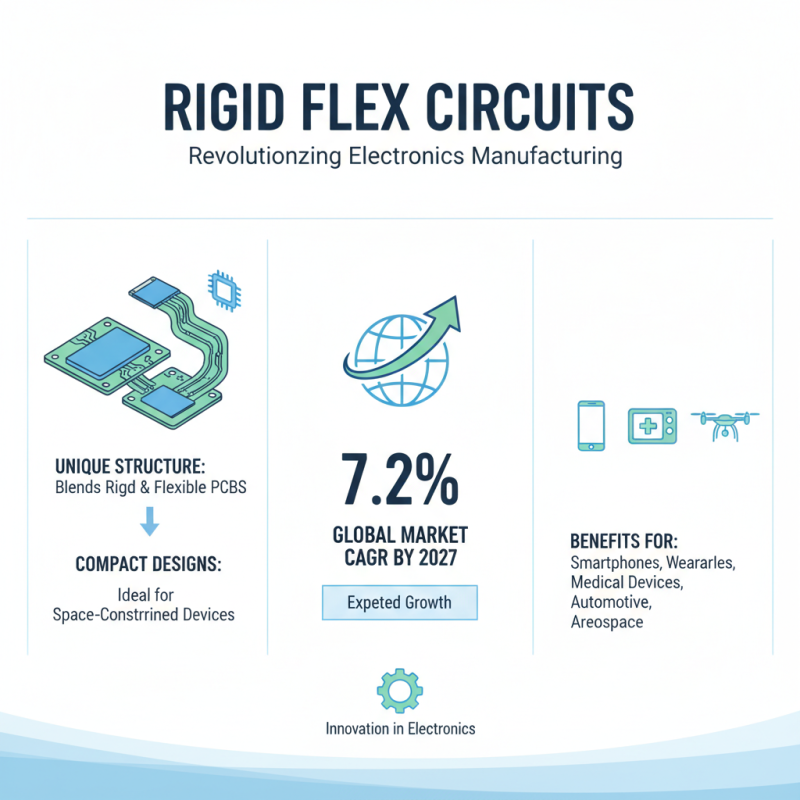
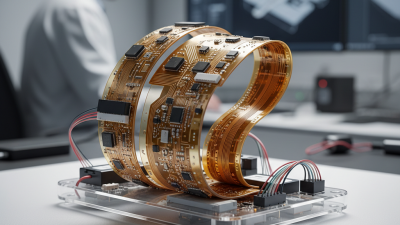
Rigid flex circuits are gaining popularity in electronics design. These circuits combine flexibility and rigidity, making them ideal for various applications. They integrate the benefits of both traditional printed circuit boards (PCBs) and flexible circuits. This allows for innovative designs that maximize space.
In the world of compact devices, rigid flex circuits enable more efficient layouts. Their unique structure supports complex designs without sacrificing performance. However, designers face challenges. Soldering can be tricky. Misalignment during manufacturing can lead to failures. It requires meticulous attention to detail.
**Tip**: When designing with rigid flex circuits, always prototype first. Testing can help identify potential issues early on. Pay close attention to thermal management as well. These circuits may heat differently compared to standard PCBs, which can affect performance.
With the rise of wearables and compact gadgets, the need for rigid flex circuits is clear. They allow engineers to push boundaries. Yet, balancing innovation with reliability is essential. Careful consideration is key.
Key Benefits of Rigid Flex Circuits Over Traditional Circuit Boards
Rigid flex circuits are gaining traction in the electronics industry. They combine the benefits of rigid and flexible circuit boards. This design allows for greater adaptability in various applications. In tight spaces, these circuits can fit more easily than traditional boards.
One key benefit is their lightweight nature. Rigid flex circuits reduce overall weight, which is crucial for devices like drones and wearables. Another advantage is their ability to withstand bending. This flexibility lowers the risk of damage during use. However, they can be more complex to manufacture. This complexity may lead to increased costs, which is a consideration for many companies.
Durability is another aspect worth noting. Rigid flex circuits resist environmental stressors, like heat and moisture. This resilience enhances the lifespan of electronic devices. Yet, some designs may not fully utilize their potential, leading to wasted resources. It’s important to critically evaluate applications to maximize their benefits.
Why Rigid Flex Circuits Are Revolutionizing Modern Electronics?
| Feature |
Rigid Flex Circuits |
Traditional Circuit Boards |
| Size and Weight |
Compact and lightweight, ideal for miniaturization |
Typically bulkier and heavier due to layered structure |
| Design Flexibility |
Allows for complex shapes and multi-dimensional designs |
Limited to flat designs and layouts |
| Durability |
Superior resistance to environmental factors such as moisture and temperature |
More susceptible to damage from shock and vibration |
| Assembly Efficiency |
Integrates easily with components, reducing assembly time |
More stages required for assembly, increasing time and cost |
| Cost |
Higher initial investment but reduces costs over time due to lower assembly and failure rates |
Lower upfront cost but may incur higher operational costs |
Applications of Rigid Flex Circuits in Modern Electronic Devices
Rigid flex circuits are gaining traction in various modern electronic devices. These circuits blend the advantages of rigid and flexible technologies. This creates possibilities in space-saving designs. They enable intricate layouts with reduced weight. Such features are essential in smartphones and wearables. Designers appreciate their ability to seamlessly fit in tight spaces.
In the automotive industry, rigid flex circuits are used in advanced driver-assistance systems. They manage complex tasks like sensor integration and data processing. The combination of flexibility and rigidity allows for durable connections in challenging environments. High temperatures and vibrations pose risks, yet these circuits perform reliably. In aerospace, they facilitate lighter designs, which is crucial for fuel efficiency.
While rigid flex circuits offer many benefits, challenges remain. Manufacturing can be complex and costly. Design errors may lead to less efficient layouts. Integrating them into existing technologies isn't always easy. Continual innovation and refinement are needed to address these issues. Engineers and designers must work closely to optimize functionality and reliability. Balancing performance and cost is an ongoing challenge.
Future Trends and Innovations in Rigid Flex Technology
Rigid flex technology is changing the landscape of modern electronics. The combination of flexible and rigid circuits allows for more compact designs. Devices can be thinner and lighter without sacrificing functionality. This advancement opens doors for innovation in wearables and medical devices.
Manufacturers are exploring new materials that enhance durability and flexibility. These materials promise better performance in extreme conditions. However, not all materials yield the same results. Some might crack or degrade faster than expected. It's crucial to test materials thoroughly before expanding production.
Tips: When considering rigid flex circuits, evaluate the expected environmental conditions. Testing prototypes in real scenarios is vital. Always seek feedback during the design process. Engaging with engineers early can prevent costly mistakes down the line. Understanding the balance between flexibility and durability is key.