What is Rigid Flex PCB and Its Advantages for Global Buyers?
Rigid Flex PCBs have gained significant traction in various industries due to their unique advantages. According to a research report by MarketsandMarkets, the rigid flexible printed circuit board market is projected to reach $10.4 billion by 2026, reflecting a substantial compound annual growth rate (CAGR) of 7.5%. This growth is driven by their application in sectors like consumer electronics, automotive, and medical devices.
Dr. Emily Carter, a leading expert in PCB technology, stated, "Rigid flex PCBs offer unparalleled design flexibility while reducing overall assembly costs." This highlights the appeal that these boards possess for global buyers seeking efficient and cost-effective solutions. The integration of both rigid and flexible components in one board allows for more complex designs and lightweight assemblies, which is crucial in modern engineering.
However, the manufacturing process can be challenging, and quality control remains a vital concern. Not all manufacturers guarantee the same level of precision and reliability. Buyers need to carefully assess potential suppliers to mitigate risks. The rapidly evolving landscape of PCB technology demands constant vigilance in sourcing. Hence, understanding the intricacies of pcb rigid flex is essential for making informed decisions.
Understanding Rigid Flex PCBs: Definition and Structure
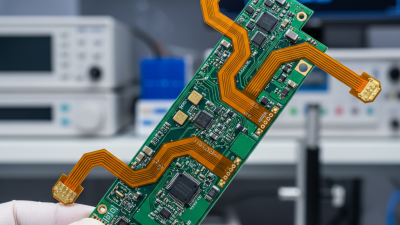
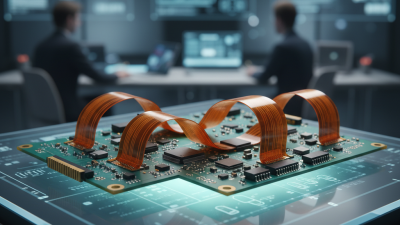
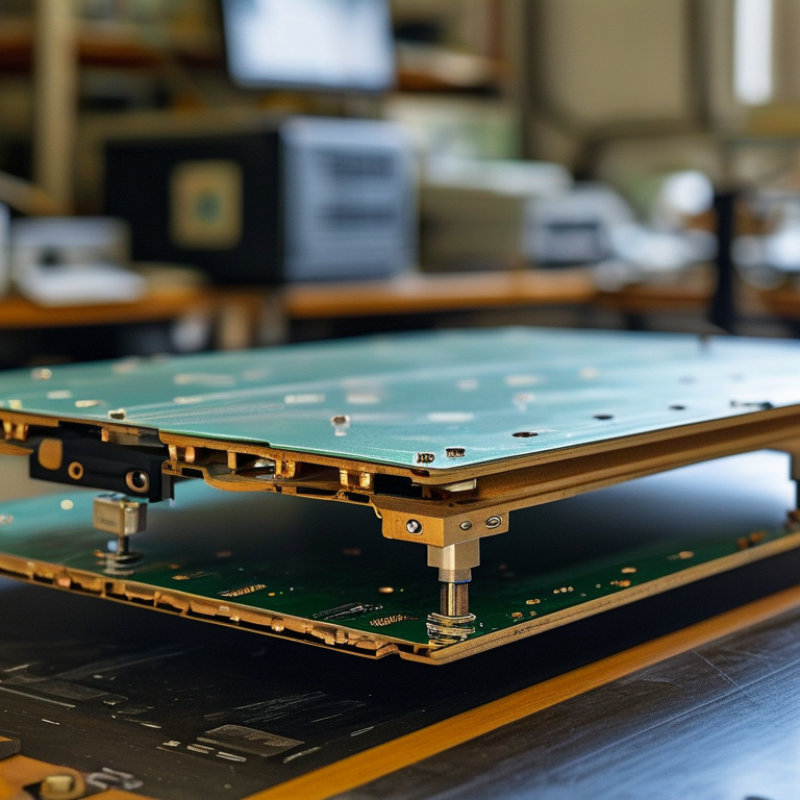
Rigid flex printed circuit boards (PCBs) combine the benefits of both rigid and flexible circuits. These structures integrate a rigid substrate with flexible areas, allowing designs to twist and bend without breaking. The unique amalgamation supports complex electronic devices, particularly in industries like aerospace and medical.
A market report by Research and Markets indicates that the rigid flex PCB market is expected to reach $48 billion by 2027, showcasing a compound annual growth rate of 10%. This growth reflects the rising demand for compact electronic devices along with stringent weight and size requirements. Their design flexibility enhances space efficiency in consumer electronics, making them pivotal for innovative products.
Installation of rigid flex PCBs often demands specialized handling. For optimal results, ensure proper alignment during the assembly process to avoid delamination. Check for potential vulnerabilities in the flexible areas, as improper bending could lead to malfunctions. Consider that while rigid flex technology offers numerous advantages, it may require more sophisticated manufacturing techniques. Addressing these challenges is key to harnessing their full potential.
Key Advantages of Rigid Flex PCBs for Global Buyers
Rigid Flex PCBs combine the flexibility of flexible printed circuits with the sturdiness of rigid circuits. This unique design offers a distinctive advantage for global buyers. According to a market report from Transparency Market Research, the rigid-flex PCB market is projected to grow significantly, reaching over $3 billion by 2027. This growth highlights the increasing interest in such technology across various industries, including electronics and automotive.
One of the key advantages of rigid flex PCBs is their space-saving capabilities. They allow for more compact designs, which is crucial in consumer electronics. Devices often have limited space for components. Rigid flex PCBs can reduce the size of a circuit board assembly by up to 40%. Additionally, their durability is noteworthy. They can withstand high mechanical stress and extreme temperatures. This resilience reduces the risk of failure in demanding applications.
However, there are challenges in adopting rigid flex PCBs. The initial costs can be higher compared to traditional PCBs. Design complexity may also pose a barrier. It requires specialized knowledge and experience for effective implementation. Despite these challenges, the advantages, such as improved performance and reduced weight, make rigid flex PCBs an appealing choice for various manufacturers. The market dynamics suggest that future advancements may further mitigate these concerns.
What is Rigid Flex PCB and Its Advantages for Global Buyers?
| Dimension |
Description |
| Flexibility |
Combines the benefits of both rigid and flexible PCBs for versatile designs. |
| Space Saving |
Reduces the space needed for circuits, allowing for more compact designs. |
| Durability |
Offers high resilience to mechanical stress and reduces the risk of breakage. |
| Weight |
Significantly lighter compared to traditional rigid PCBs, making them ideal for portable devices. |
| Cost Efficiency |
Reduces assembly costs and time, as they can allow for fewer components. |
| Thermal Management |
Better heat dissipation properties, which extends the lifespan of electronic components. |
| Applications |
Widely used in aerospace, medical devices, and consumer electronics among others. |
Applications of Rigid Flex PCBs in Various Industries
Rigid flex PCBs are versatile components, finding applications across various industries. In the medical field, these PCBs support compact devices like cardiac monitors. Their flexible nature allows them to fit into limited spaces while maintaining reliability. This design helps manufacturers save space and enhance device performance, which is crucial in life-saving equipment.
The consumer electronics sector also benefits from rigid flex PCBs. They're used in smartphones, tablets, and wearables. The combination of rigidity and flexibility creates lightweight, durable designs. These features allow for more complex circuits, addressing the demand for advanced technology. However, reliability in performance over time remains a challenge, requiring careful quality control during production.
In aerospace, rigid flex PCBs play an essential role in avionics systems. They withstand extreme conditions while providing critical data connections. However, it’s vital to continually assess their performance standards. Regular audits and testing can help identify potential failures. Monitoring these components ensures they meet industry regulations and maintain safety.
Comparison Between Rigid Flex PCBs and Traditional PCBs
Rigid flex PCBs stand at the intersection of flexibility and durability. Unlike traditional PCBs, which are often rigid and less adaptable, rigid flex technology combines the best of both worlds. These PCBs consist of interconnected rigid and flexible sections, allowing them to fit into tighter spaces and endure complex movements. This design opens the door to innovative applications, especially in compact electronic devices.
One crucial difference between rigid flex and traditional PCBs is their resilience. Rigid flex boards are built to handle stress and strain better, suited for applications in medical devices, aerospace, and wearables. They enable manufacturers to create smaller and lighter devices without sacrificing performance. However, it's essential to consider the manufacturing complexity and cost. While rigid flex may offer more benefits, some buyers might find traditional PCBs sufficient for simpler projects.
When opting for PCBs, focus on your project's specific needs. Consider factors like design requirements, durability, and flexing capabilities. Rigid flex designs often require advanced manufacturing techniques, which could impact production timelines. Always weigh the benefits against potential challenges. Rigid flex PCBs can be game-changers, but they demand thoughtful planning and investment.
Comparison of Rigid Flex PCBs vs Traditional PCBs
Factors to Consider When Sourcing Rigid Flex PCBs Globally
When sourcing rigid flex PCBs globally, it’s essential to consider various factors that influence quality and performance. The design complexity of the product plays a vital role. A rigid flex PCB combines both flexible and rigid technologies, which may lead to unique manufacturing challenges. Understanding these complexities is crucial for effective sourcing.
Another important factor is the manufacturer's experience and capability. Look for companies with proven expertise in producing rigid flex solutions. Their understanding of materials and fabrication processes can significantly impact reliability. It's also beneficial to evaluate the manufacturer's certification and adherence to industry standards.
Lastly, consider the supply chain logistics. Global sourcing can introduce delays or complications. Assess the lead times, transportation methods, and communication efficiency. These aspects can affect your project timeline. Careful consideration of these factors ensures you make a well-informed decision for your rigid flex PCB needs.