What is Rigid Flex Technology and Its Applications in Electronics?
Rigid flex technology is a crucial advancement in the electronics industry. This innovation combines the best of both rigid and flexible circuit boards. It allows for complex designs in compact spaces. The growing demand for miniaturization drives this trend forward.
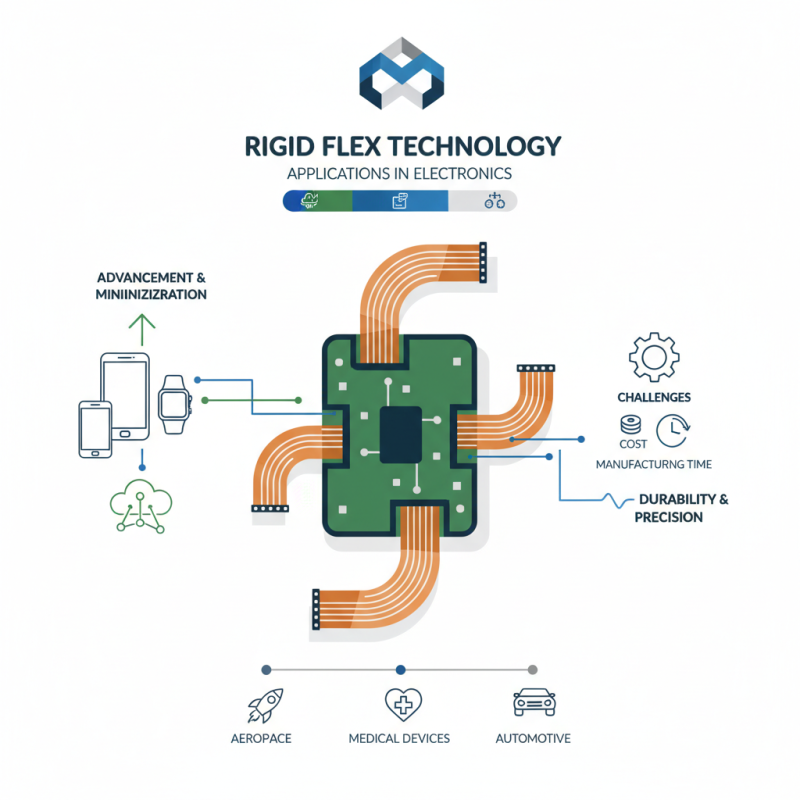
In the modern world, devices are becoming more intricate. Smartphones, wearables, and IoT devices often use rigid flex technology. This technology enables manufacturers to create lighter and thinner products. However, the production process can be challenging. Ensuring durability while maintaining flexibility requires precision.
The potential applications are vast. Rigid flex circuits are found in aerospace, medical devices, and automotive industries. Every sector benefits from enhanced performance. Yet, there are still hurdles. The cost and manufacturing time can be significant. It is vital to find a balance between innovative design and practical production. This exploration into rigid flex technology reveals both opportunities and challenges.
Understanding Rigid Flex Technology in Electronics Manufacturing
Rigid flex technology combines the features of rigid and flexible circuits in electronics manufacturing. This innovative approach allows for compact designs. By incorporating both types of circuits, devices become more versatile and lightweight. Rigid flex circuits can bend and twist while maintaining functionality. This flexibility is essential in modern electronics, where space is limited.
Tips: Consider the layout carefully. Proper design can enhance performance. The integration of rigid and flexible sections should be seamless.
Common applications of rigid flex technology include smartphones, wearables, and medical devices. These sectors demand high performance in small packages. However, challenges may arise during production. Ensuring quality in both rigid and flexible parts is crucial. Minor flaws can lead to significant issues in the final product.
Tip: Always conduct thorough testing. Validate designs before mass production. This step can save time and resources in the long run. Rigid flex technology is promising but requires careful attention to detail.
Key Components of Rigid Flex Technology: Materials and Structure
Rigid flex technology combines the benefits of rigid and flexible printed circuit boards. This hybrid structure allows for complex designs while maintaining durability. It uses unique materials that cater to specific performance needs.
Key components of rigid flex technology include copper layers, dielectric materials, and adhesive. Copper provides conductive pathways, while dielectrics offer insulation. The choice of these materials greatly impacts the circuit's reliability and performance. The thickness of the flex layers can vary, sometimes leading to challenges in manufacturing.
Flexibility in design can lead to issues with alignment during assembly. However, this technology opens doors to innovative applications in electronics. For instance, it plays a crucial role in compact devices, such as wearables and medical equipment. It's a balancing act between versatility and potential manufacturing drawbacks.
Advantages of Rigid Flex Circuits Over Traditional Circuit Boards
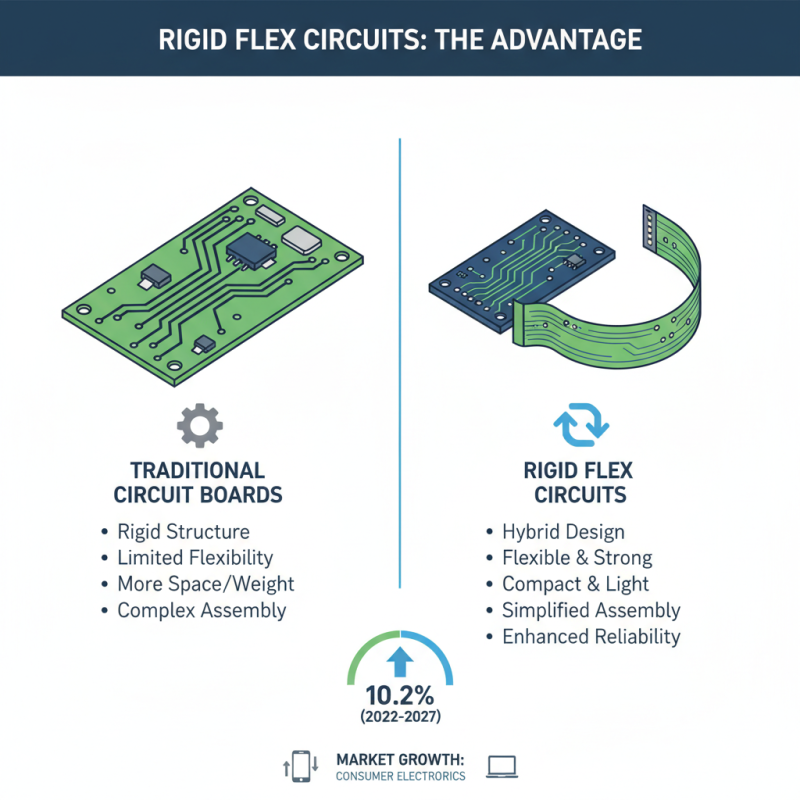
Rigid flex technology combines the best of both worlds, offering advantages that traditional circuit boards simply cannot match. These circuits blend the flexibility of printed circuits with the strength of rigid boards. As per a recent market analysis, the rigid flex circuit market is projected to grow at a CAGR of 10.2% through 2027, driven by increased demand in consumer electronics.
One significant advantage of rigid flex circuits is their space efficiency. They can fit into compact designs without sacrificing performance. This is crucial in applications like smartphones and wearables. In fact, studies show that using rigid flex technology can reduce the overall footprint by up to 50%. This results in lighter devices with more features, catering to consumer demand for portability.
Moreover, rigid flex circuits improve reliability. They minimize the number of interconnections and solder joints, which often lead to failures in traditional boards. Data indicates that rigid flex systems reduce the risk of mechanical stress and enhance endurance in various operating conditions. However, the manufacturing process can be complex. It requires precision and expertise that not all manufacturers possess. Therefore, it is essential to carefully evaluate potential partners in this field.
Common Applications of Rigid Flex Technology in Modern Electronics
Rigid Flex Technology is making waves in modern electronics. This technology combines rigid and flexible printed circuit boards. This means you can have the best of both worlds: durability and flexibility. It allows for complex designs in compact spaces.
In smartphones, for instance, Rigid Flex Technology enables intricate circuits to bend and fit into tight frames. This optimizes performance while saving space. Moreover, in medical devices, it enhances reliability. Flexible components can adapt to movement, ensuring accurate readings and responses.
However, the cost of implementing Rigid Flex Technology can be high. Not every project may justify the expense. Companies need to evaluate whether the benefits align with their goals. Some might find it challenging to balance quality with cost. Every innovation presents hurdles worth considering.
Common Applications of Rigid Flex Technology in Modern Electronics
Future Trends and Innovations in Rigid Flex Technology Development
Rigid Flex Technology is evolving rapidly. It's reshaping how electronic devices are designed. The combination of rigid and flexible materials enables unique form factors. This trend is particularly beneficial for ultra-thin gadgets and wearables. As manufacturers push boundaries, new applications emerge in automotive and medical fields.
Future developments in this technology show promise. Innovations include improved material strength and flexibility. This could revolutionize how devices fit in various environments. For instance, flexible circuits can conform to tight spaces. Additionally, advancements in manufacturing techniques may lower production costs.
The flexibility of design could lead to more sustainable practices.
Tips: To stay ahead, consider investing in R&D. Engage with engineers who specialize in materials science. Understanding the limitations of current technologies is crucial. Design iterations might not always succeed on the first try. Embrace the learning process. Ensure that every prototype serves a purpose, even if it doesn't work immediately.