Top Smart Plug Outlet Features Buyers Need to Know?
As smart home technology continues to evolve, the popularity of the Smart Plug Outlet is on the rise. According to a recent report by Future Market Insights, the global smart plug market is projected to reach a remarkable USD 10 billion by 2027, highlighting its significant integration into everyday life. Smart Plug Outlets offer convenience and greater control over home appliances, allowing users to manage energy consumption while optimizing household efficiency.
These smart devices provide a gateway to automation, promoting energy savings and user-friendly interaction. Research shows that 60% of consumers appreciate the ability to control devices remotely. Yet, despite their advantages, many users still face challenges in choosing the right features. Essential qualities to consider include compatibility with smart home ecosystems and energy monitoring capabilities. The diversity of options often leads to confusion, leaving buyers wondering if they are making the right investment.
Investing in a Smart Plug Outlet offers vast potential for lifestyle enhancement, but with numerous brands and specifications, careful consideration is vital. Some consumers may overlook critical functionalities, such as voice assistant integration or scheduling features. A well-informed choice can transform energy management and simplify daily routines, paving the way for a smarter home experience.
Key Features of Smart Plug Outlets to Consider When Buying
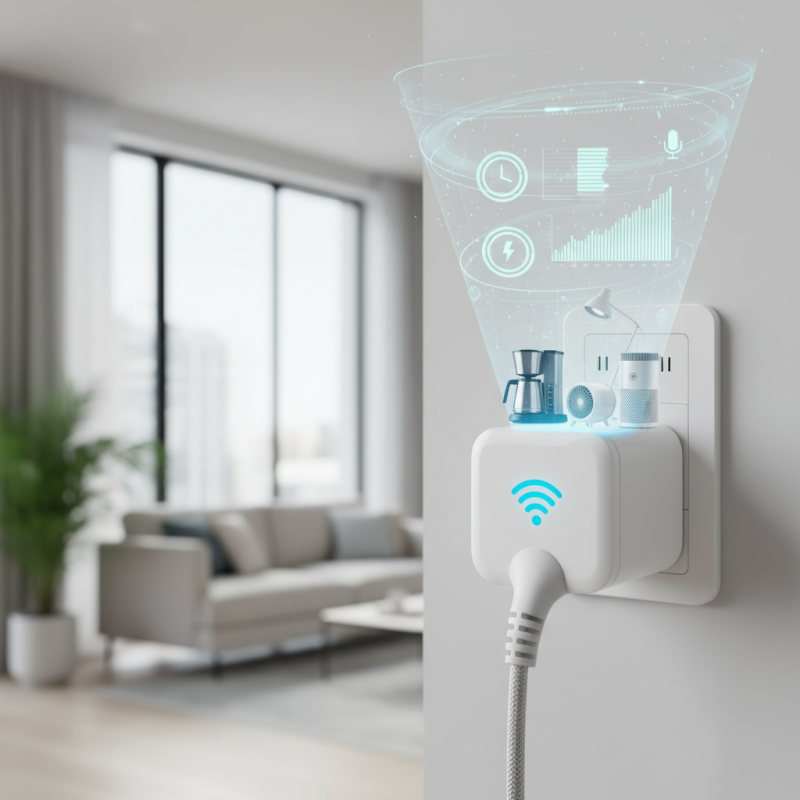
When buying a smart plug outlet, several key features stand out. One important aspect is energy monitoring. Devices with this feature provide real-time data on power usage. Users can track their consumption, save money, and reduce waste. This level of insight encourages more sustainable habits. Another useful feature is remote control. It enables users to manage appliances from anywhere using a smartphone. This convenience is appealing, especially for busy individuals or those who travel frequently.
Scheduling is another essential function to consider. Smart plugs allow users to set timers for when devices should turn on or off. Imagine waking up to a coffee machine that’s already brewing. This automation can significantly enhance daily routines. Additionally, look for compatibility with voice assistants. This feature adds a layer of accessibility. Users can control devices hands-free.
However, not all smart plugs are created equal. Some may lack robust security features. Vulnerabilities can put your home network at risk. Therefore, reading reviews and seeking expert opinions is crucial. It’s also wise to verify the ease of installation. Complicated setups can frustrate users, leading to a less satisfying experience. Being informed about these factors helps make a better purchase decision.
Understanding Wi-Fi Compatibility in Smart Plugs
When choosing a smart plug, Wi-Fi compatibility is crucial. Smart plugs connect to your home network to enable remote control and automation. A reliable Wi-Fi connection ensures smooth operation. If the plug loses connectivity, functionalities may falter.
Different smart plugs support various Wi-Fi standards, such as 2.4 GHz and 5 GHz. Most devices operate on the 2.4 GHz band, which covers longer distances but may be slower. On the other hand, 5 GHz offers faster speeds but has a shorter range. It's important to consider your home's layout and how far the plug will be from your router.
Check the smart plug’s compatibility with your existing network. Some models may face issues with certain routers or network settings. Not all plugs work seamlessly with every Wi-Fi network, leading to unnecessary frustration. This aspect is often overlooked. Users might assume any plug will work, but compatibility can vary greatly. Testing before purchasing could save headaches down the line. Understanding your Wi-Fi environment is key for a smooth smart home experience.
Exploring Voice Control Options for Smart Plugs
Voice control options for smart plugs are transforming how we manage our home devices. Imagine walking into a room and simply saying, "Turn on the lights." This convenience is thanks to advanced voice recognition technology. Users can control their appliances without reaching for a switch or a smartphone. It makes daily tasks easier, especially for people with mobility challenges.
Integrating voice control with smart plugs requires consideration. Not every smart plug has voice capability. Before purchase, verify compatibility with voice assistants. Users should research which platforms work well with their existing systems. Sometimes, setup can be tricky. Connectivity issues may arise, leading to frustration. Adjustments in settings might be necessary to achieve seamless operation.
Voice control enhances automation but isn't flawless. Commands might go unrecognized, especially in noisy environments. Users often need to repeat themselves, which can be cumbersome. Smart plugs offer user-friendly solutions, yet they demand some level of patience and practice. The experience is rewarding, but buyers should remain open to troubleshooting. The potential for efficiency is vast, but so are the learning curves.
Top Smart Plug Outlet Features Buyers Need to Know? - Exploring Voice Control Options for Smart Plugs
| Feature | Description | Voice Control Compatibility | Energy Monitoring |
| Remote Control | Control devices from anywhere using a mobile app. | Compatible with Alexa, Google Assistant. | No |
| Scheduling | Set timers to turn devices on/off automatically. | Compatible with Siri, Alexa. | Yes |
| Voice Control | Voice activation to manage devices easily. | Supports all major platforms. | No |
| Group Control | Control multiple plugs simultaneously. | Compatible with Amazon Echo. | Yes |
| Compact Design | Saves space and allows for multiple plugs in one outlet. | N/A | No |
Energy Monitoring and Cost Efficiency of Smart Plug Outlets
Smart plug outlets have gained traction among homeowners seeking energy monitoring and cost efficiency. These devices provide real-time data on energy consumption, allowing users to identify which appliances consume the most power. According to a report by the U.S. Department of Energy, standby power accounts for up to 10% of residential energy use. Monitoring this usage with smart plugs can lead to significant savings on energy bills.
In practice, users have found that devices like smart plugs can reduce energy wastage. One study published by the International Energy Agency indicated that households using smart plugs lower their energy expenses by an average of 20%. This reduction stems from the ability to track and control energy usage more effectively. Notably, families can schedule devices to turn off when not in use, optimizing their energy footprint.
However, not all users maximize these features. Some may overlook the benefits of analyzing detailed consumption reports. Additionally, many smart plugs do not communicate well with all devices, creating potential gaps in monitoring. This could lead to missed opportunities for energy savings. Users must remain engaged and informed to fully leverage the potential of their smart plug outlets.
Examining Security Features of Smart Plugs for Safe Use
When considering smart plugs, security features are crucial. Research from the Consumer Technology Association indicates that over 30% of households now own smart home devices. However, with this rise, security concerns have escalated. Many smart plugs utilize Wi-Fi for connectivity, which can be vulnerable to hacking if not properly secured.
Encryption is a key feature to look for. Smart plugs that employ WPA3 encryption are significantly harder to breach compared to those using older protocols. Additionally, look for devices that offer automatic firmware updates. A report by the Cybersecurity and Infrastructure Security Agency reveals that 70% of vulnerable smart home devices could have been secured with timely updates.
Moreover, user authentication measures, like two-factor authentication, enhance security. While convenience is a priority, it’s essential to recognize potential risks. Not every smart plug provides robust authentication, which could expose users to security threats.
Taking these factors into account can foster a safer smart home environment.