How to Source Printed Circuit Board Manufacturers Worldwide?
Sourcing printed circuit board (PCB) manufacturers globally is a critical step for organizations aiming to innovate in electronics. The PCB market was valued at approximately $60 billion in 2023 and is projected to grow steadily. According to industry expert Dr. Emily Chen, "Finding the right PCB manufacturer is crucial for product integrity and market success." This underscores the pressing need for companies to navigate the landscape of global suppliers effectively.
The journey involves assessing quality, cost, and production capabilities. Factors such as lead time and technological advancements play vital roles. A recent report indicated that 45% of businesses struggle with finding reliable manufacturers. This reveals a gap that needs thoughtful considerations and strategies. Reflections on past sourcing experiences can lead to improved decision-making.
As businesses expand their search for PCB manufacturers, they must be meticulous. Investing in supplier audits, exploring various regions, and leveraging technology can enhance sourcing efficiency. However, challenges persist. Trust in manufacturers’ capabilities varies, and misjudgments can lead to project delays. The landscape is complex, and careful navigation is essential for achieving desired results.

Identifying Key Regions for Printed Circuit Board Manufacturing Globally
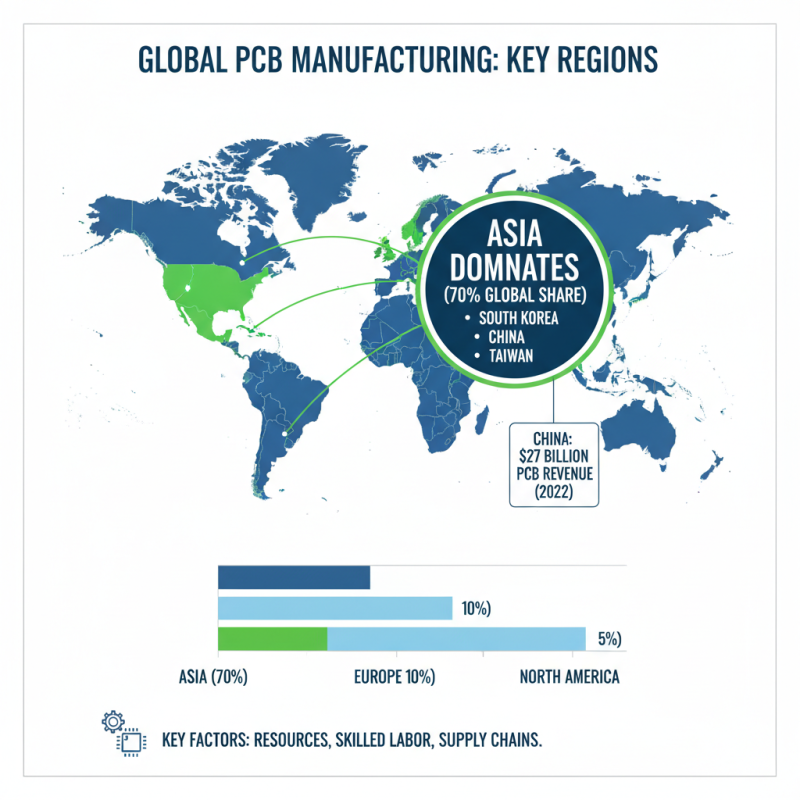
When sourcing printed circuit board (PCB) manufacturers worldwide, it is crucial to identify key regions. Notably, Asia dominates PCB production. According to IPC's latest report, over 70% of global PCBs are manufactured in Asia, particularly in China, South Korea, and Taiwan. These regions benefit from abundant resources, skilled labor, and established supply chains. The Chinese market alone accounted for approximately $27 billion in PCB revenue in 2022.
North America and Europe are also noteworthy players. The United States and Germany are recognized for advanced technologies and high-quality standards. However, manufacturing costs here are typically higher than in Asia. Many companies opt for partial production in these regions to maintain quality while leveraging lower costs abroad.
Choosing a region depends on specific needs. High-volume production may favor Asia, while specialized, low-volume projects might benefit from North American or European expertise. Each option carries its own set of challenges. Time zones, communication barriers, and logistical complexities complicate the sourcing process. Understanding these nuances is key to successful PCB manufacturing, yet many businesses overlook these details.
Evaluating Manufacturer Capabilities Against Industry Standards and Certifications
When sourcing printed circuit board (PCB) manufacturers globally, it is critical to evaluate their capabilities against industry standards. A manufacturer’s compliance with certifications such as ISO 9001 and IPC-A-600 is paramount. According to a recent industry report, over 80% of high-quality PCB firms demonstrate adherence to these standards. This helps ensure product reliability and quality.
Understanding a manufacturer’s technical competencies is vital. Inspect their production capabilities, such as automated processes and advanced machinery. Reviews and case studies play a crucial role in assessing past performance. Many industry analysts stress the importance of site visits where possible. Seeing processes firsthand often reveals more than any report.
**Tip**: Look for manufacturers with a history of innovation. Firms that adapt to new technologies usually maintain higher quality standards.
Another key consideration is testing methodologies. A robust testing framework ensures that PCBs meet durability and performance expectations. Reports show that manufacturers using Automated Optical Inspection (AOI) can reduce defects significantly. However, not all manufacturers invest in comprehensive testing.
**Tip**: Prioritize manufacturers who provide detailed test reports. Transparency in testing strengthens trust and reliability of the partnership. Always ask for clarification on any metrics that seem unclear.
Evaluation of PCB Manufacturers Based on Industry Standards
Understanding Supply Chain Dynamics in Printed Circuit Board Procurement
Navigating the procurement of printed circuit boards (PCBs) requires a keen understanding of supply chain dynamics. The global PCB market was valued at approximately $60 billion in 2022, with projections indicating steady growth. Factors like technological advancements and rising demand for consumer electronics are significantly influencing this landscape. As production shifts geographically, sourcing from various regions can lead to enhanced supply chain resilience.
When sourcing PCB manufacturers, consider local regulations and trade agreements. These factors can affect lead times and costs. In some regions, tariffs might increase overall expenses. It’s crucial to evaluate production capabilities to ensure they meet your specific requirements. Not every manufacturer can handle intricate designs or high-volume orders.
Tips: Leverage platforms that provide access to industry reports. Understanding market trends can guide decision-making. Building a local network may help mitigate risks associated with long-distance sourcing.
While globalizing your supply chain can bring many benefits, challenges may arise. Cultural differences and communication barriers can lead to misunderstandings. It’s essential to cultivate strong relationships with manufacturers to ensure smooth collaboration. Be prepared to adapt your strategies as market conditions evolve.
Utilizing Online Platforms and Marketplaces for Manufacturer Discovery
Sourcing printed circuit board (PCB) manufacturers worldwide can be a daunting task. Online platforms and marketplaces have become invaluable resources in this journey. According to industry reports, over 70% of PCB procurement strategies now include digital sourcing platforms to identify manufacturers more efficiently.
One effective approach is to utilize specialized online marketplaces, such as those specifically for electronics. These platforms not only list numerous manufacturers but also feature ratings and reviews. This data empowers buyers to make informed decisions based on real experiences. According to a recent survey, 65% of manufacturers prefer to showcase their capabilities online. This indicates a shift towards transparency and accessibility in the PCB supply chain.
Tip: Use advanced filters on these platforms to narrow down options. Focus on key criteria like minimum order quantity, lead time, and certifications. These filters can save time and help you connect with manufacturers who meet your specific needs.
While these platforms are incredibly useful, there are still challenges. Not all listings are updated, which can lead to frustration. Always verify manufacturer credentials independently. Engaging directly with representatives can provide better insights into their production capabilities and reliability. Remember, the data you gather today impacts your long-term partnerships.
How to Source Printed Circuit Board Manufacturers Worldwide?
| Region |
Manufacturer Type |
Annual Capacity (Boards) |
Lead Time (Weeks) |
Min Order Quantity |
Certifications |
| North America |
Prototype & Low Volume |
50,000 |
4 |
5 |
ISO 9001, IPC-A-600 |
| Asia |
Mass Production |
1,000,000 |
2 |
100 |
ISO 13485, UL |
| Europe |
Medium Volume |
200,000 |
3 |
10 |
ISO 9001, RoHS |
| South America |
Custom Orders |
75,000 |
6 |
20 |
ISO 9001 |
| Oceania |
Rapid Prototyping |
30,000 |
1 |
1 |
ISO 9001 |
Assessing Cost Factors and Quality Expectations in PCB Sourcing Decisions
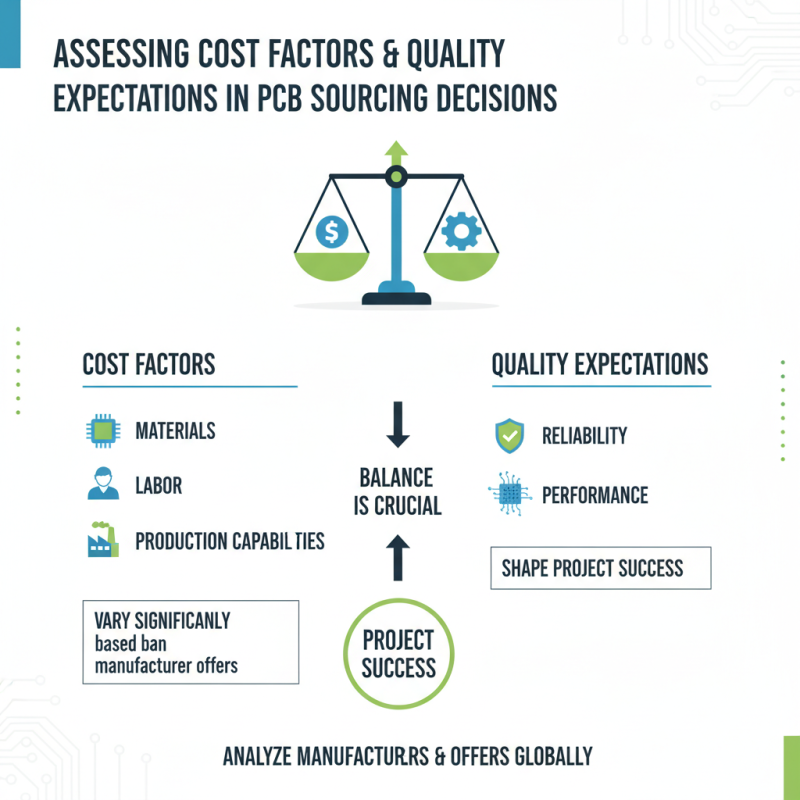
Sourcing printed circuit boards (PCBs) globally requires careful consideration of both cost factors and quality expectations. The balance between affordability and quality can shape your project's success. It's essential to analyze various manufacturers and their offers. Costs can vary significantly based on materials, labor, and production capabilities.
When approaching PCB manufacturers, consider hidden costs. Shipping fees, customs duties, and potential tariffs can affect total expenses. Use cost calculators to estimate the final price realistically. Always request detailed quotations to avoid unpleasant surprises later.
Quality should not be compromised for low pricing. Evaluate potential suppliers based on their certifications and track records. Request samples to assess the finishing and functional reliability of their PCBs. Remember, poor-quality boards can lead to delays and increased costs down the line.
Tip: Maintain open communication with suppliers. This openness can lead to better terms and a more reliable partnership. Schedule regular check-ins to monitor progress and address concerns promptly.
Tip: Always include a clause for revisions in your contracts. This proactive approach can save you time and frustration if a design does not meet expectations. Quality control shouldn't be an afterthought; it must be embedded in every sourcing decision you make.