How to Source Quality PCB Printed Circuit Boards for Your Business?
Sourcing quality PCB printed circuit boards is crucial for any business involved in electronics. The significance of this component cannot be overstated. A reliable PCB can enhance product performance and ensure customer satisfaction. However, finding the right supplier may be a daunting task.
Many businesses experience challenges in the sourcing process. Some may encounter issues with quality control. Others might struggle to communicate their specific requirements. It’s essential to evaluate potential suppliers carefully. Look for companies that have a track record of producing high-quality PCB printed circuit boards. Seek expertise and experience in the industry.
Building relationships with suppliers is necessary. Trust and communication are the cornerstones of successful partnerships. Don’t be afraid to ask hard questions. This will help clarify any uncertainties you may have. Remember, sourcing is not always perfect. Reflection on past choices can lead to improved decision-making in the future. Focus on what matters most: quality, reliability, and collaboration.
Understanding PCB Types and Specifications for Quality Sourcing
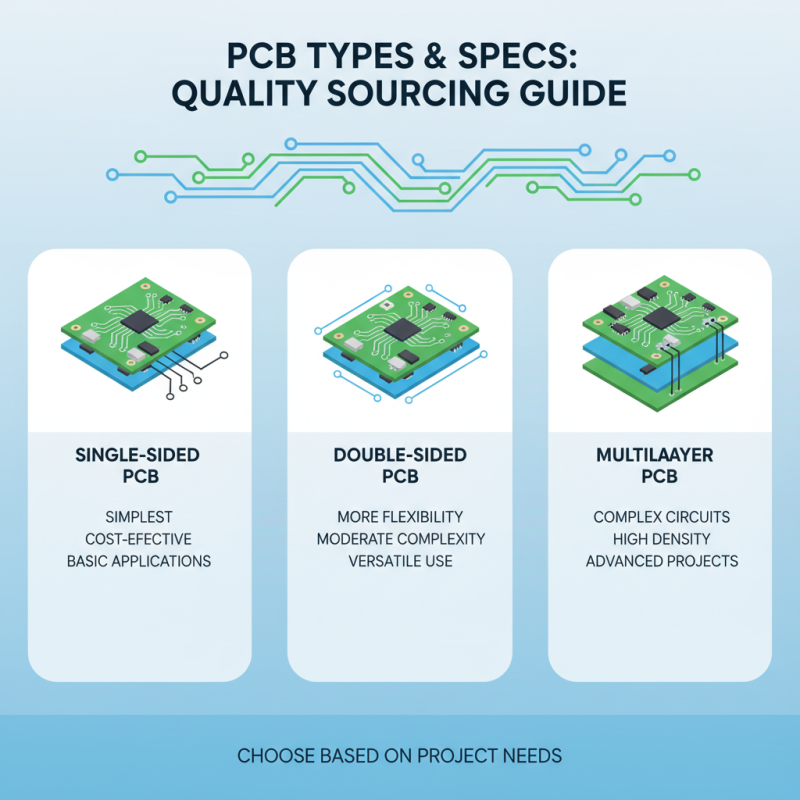
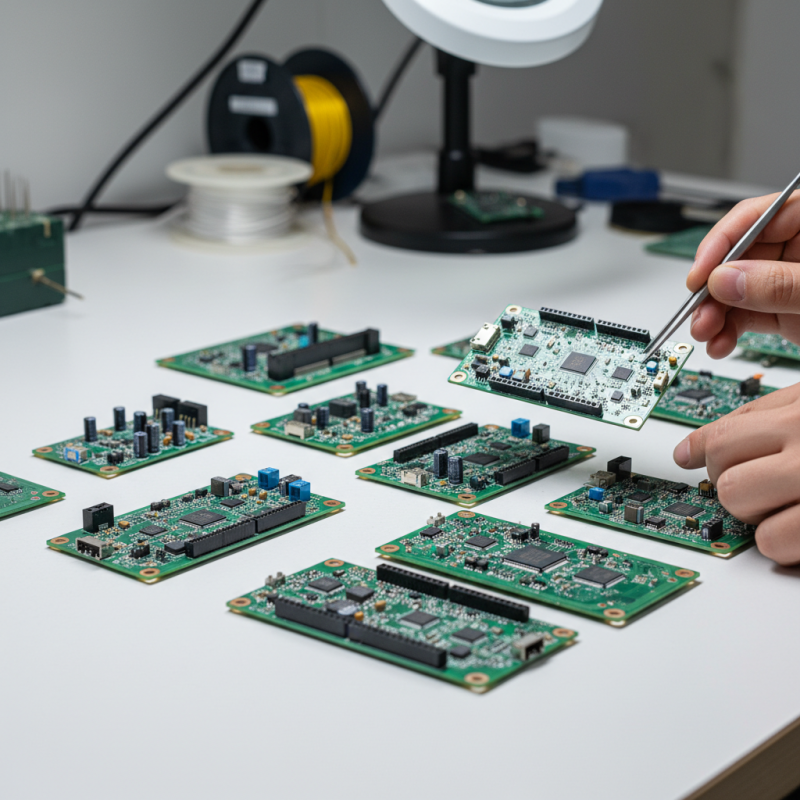
When sourcing quality PCB printed circuit boards, understanding the various types and specifications is essential. PCBs come in several varieties, such as single-sided, double-sided, and multilayer boards. Single-sided boards are simple and cost-effective but may not meet complex needs. Double-sided boards offer more design flexibility while multilayer boards allow for more intricate circuits. Each type serves different applications, influencing your choice based on project requirements.
Specifications are equally important in sourcing. Pay attention to material types, such as FR-4, which is commonly used for its durability. Thickness and copper weight are crucial as they affect performance and signal reliability. Testing procedures also matter. Insist on certifications and quality assurance processes to ensure PCB longevity and reliability.
Reflecting on your sourcing strategy is vital. Are you prioritizing cost over quality? It’s easy to get caught in a savings trap. Cutting corners may lead to performance issues down the line. Evaluate your suppliers’ expertise and reliability. A well-informed decision can save time and resources in your production process. A little reflection can lead to better outcomes.
Identifying Reliable PCB Manufacturers and Suppliers
When sourcing quality PCB printed circuit boards, selecting reliable manufacturers and suppliers is crucial. According to a recent industry report, around 70% of companies face issues related to PCB quality and supply chain delays. Understanding how to identify trustworthy partners can significantly mitigate these challenges.
Begin by assessing the manufacturer's certifications. ISO 9001 and IPC standards demonstrate a commitment to quality. Look for suppliers that have experience in your specific industry, as each sector may have unique requirements. Checking reviews and testimonials can also provide insights into a manufacturer's reliability.
**Tip:** Build relationships with potential suppliers through face-to-face meetings or virtual consultations. Personal connections can lead to better communication and problem resolution.
It's important to request samples before making large orders. This simple step can reveal much about a supplier's production capabilities. Pay attention to details such as soldering quality and component placement.
**Tip:** Don't hesitate to revisit your sourcing decision if initial samples don’t meet expectations. Continuous improvement is vital for a successful partnership.
Quality Assessment of PCB Manufacturers
Evaluating Manufacturing Processes and Quality Control Standards
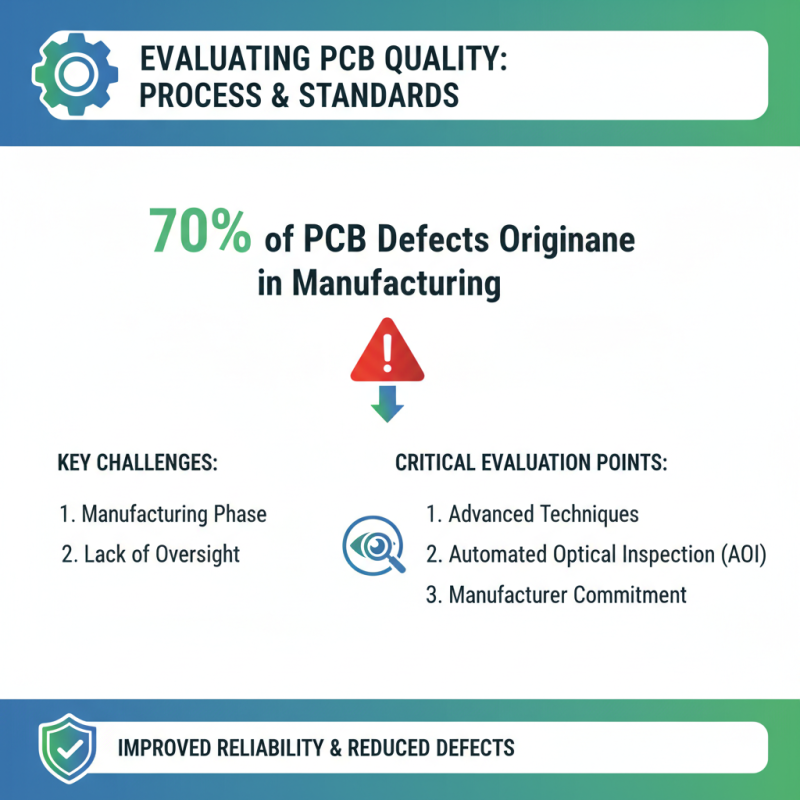
When sourcing quality PCB printed circuit boards, understanding manufacturing processes and quality control standards is crucial. Numerous reports indicate that about 70% of defects in PCBs originate from the manufacturing phase. This statistic underscores the need to critically evaluate a manufacturer’s processes. Advanced manufacturing techniques, such as automated optical inspection (AOI), can reduce defects significantly, improving reliability. Many top manufacturers commit to these practices.
Quality control standards also play a vital role. For example, IPC-A-610 sets the acceptance criteria for electronic assemblies. Compliance with this standard is essential to ensure that the boards meet industry expectations. Reports suggest that companies adhering to IPC standards see a 30% improvement in overall product quality. However, it's important to note that not all manufacturers comply equally. Some may claim adherence while lacking rigorous quality assurance processes.
Finding the right manufacturer requires diligent research. Look for certifications like ISO 9001 and IPC standards, as these provide a reliable framework for quality control. Yet, it's vital to remember that even certified companies can have lapses. Consider visiting production facilities or requesting samples to assess the quality firsthand. This on-site evaluation helps bridge the gap between claims and actual performance. Balancing these factors leads to better sourcing decisions, ultimately enhancing your business's product quality.
Assessing Cost vs. Quality in PCB Procurement
When sourcing quality PCB printed circuit boards, the balance of cost and quality is crucial. Lower costs often tempt businesses, but the implications can be significant. Poor quality PCBs may lead to failures in function and increased repair costs. This is a vital consideration in today's competitive market. Focusing only on the initial expenditure can hinder long-term returns. Instead, assess the potential impact of quality on your project’s success.
Quality assurance in PCB manufacturing should not be underestimated. Standards like IPC-A-600 set benchmarks for industry practices, ensuring reliability. Engaging suppliers with a strong track record enhances credibility. Researching suppliers and their production processes can reveal a lot. Ask about their certifications and quality control mechanisms. For businesses new to PCB procurement, these steps might seem daunting but are essential in avoiding pitfalls.
It is also essential to stay flexible in negotiations. Sometimes, a slightly higher price can guarantee enhanced performance and longevity. Opt for samples before bulk orders. This way, you can evaluate the product firsthand. Balancing cost with reliability can lead to better decision-making and ultimately bring a solid return on investment. Remember, good PCBs are a cornerstone of high-quality electronic products.
How to Source Quality PCB Printed Circuit Boards for Your Business? - Assessing Cost vs. Quality in PCB Procurement
| Supplier Type |
Cost per Unit (USD) |
Lead Time (Days) |
Quality Rating (1-5) |
Minimum Order Quantity |
Warranty Period (Years) |
| Local Supplier |
$10.00 |
7 |
4 |
50 |
1 |
| Overseas Manufacturer |
$5.00 |
14 |
5 |
100 |
2 |
| Specialized PCB Provider |
$12.00 |
10 |
5 |
30 |
3 |
| Large Industrial Supplier |
$8.00 |
12 |
4 |
200 |
1 |
Establishing Strong Communication and Partnership with Suppliers
Building strong communication and partnerships with suppliers is essential in sourcing quality PCB printed circuit boards. According to a study by IPC, the global electronics industry is expected to reach $2 trillion by 2025, highlighting the importance of reliable components. Effective dialogue and openness in communication help ensure that your supplier understands your specific requirements. This can minimize design errors and production delays.
Maintaining regular contact fosters a relationship founded on trust. Limited communication can lead to misunderstandings. Partnering with suppliers who value transparency can significantly enhance product quality. Inadequate clarity on specifications can result in costly reworks. Exploring tools like video conferencing and collaborative platforms may improve interactions. Nonetheless, it’s crucial to assess how often these tools are utilized.
Additionally, always seek feedback from your suppliers. Understanding their challenges can help improve processes for both parties. Establishing clear metrics for performance can aid in evaluating these partnerships. Research suggests over 60% of companies that enhance communication witness improved performance metrics. Reflecting on potential misalignments regularly is critical. Acknowledging that the perfect partnership does not always exist can lead to better strategies.