What is Space Blanket Insulation and How to Use It?
Space Blanket Insulation is a remarkable tool in thermal management. It is made from a thin layer of reflective material, often Mylar. This innovative insulation reflects heat back towards its source, preventing loss of warmth.
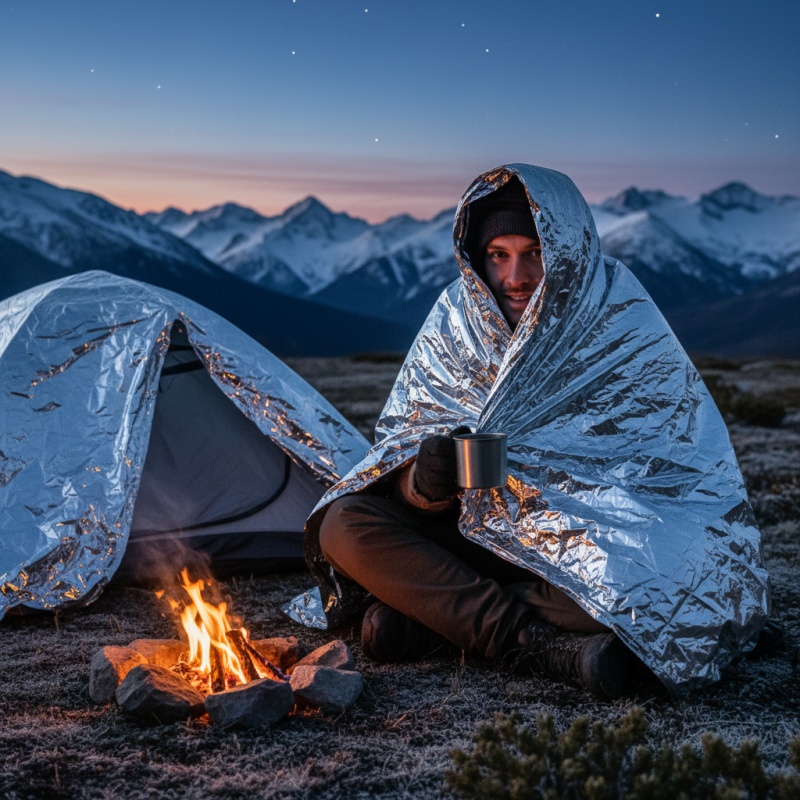
In various situations, Space Blanket Insulation can be a game-changer. For campers, it can keep warm during chilly nights. In emergencies, it aids in preserving body heat for those in distress. However, its effectiveness may vary based on conditions.
Many people overlook its potential benefits. It is crucial to understand how to use it correctly. Wrapping your body or gear tightly can ensure optimal warmth. Overall, Space Blanket Insulation is an accessible and practical solution for enhancing thermal comfort.
What is Space Blanket Insulation?
Space blanket insulation, also known as Mylar insulation, is designed to reflect heat. Originally created by NASA for space missions, it has become popular for various applications on Earth. This lightweight material can keep warmth close or block unwanted heat. It’s often used in emergencies or camping situations.
Using space blanket insulation can be straightforward. You can drape it over yourself or your gear. For a more prolonged effect, place it under sleeping bags for camping. The shiny surface reflects body heat. It’s essential to ensure the metallic side faces inward. This allows you to maximize its insulating properties. Sometimes, it can tear or warp, so handle it carefully.
Tips for effective use: Always pack an extra space blanket in your emergency kit. It can protect against hypothermia. In colder weather, wrap it around vulnerable areas. Your hands and feet need warmth too. When using it in summer, position it to reflect sunlight away from living spaces, keeping the area cooler. It's a simple solution but requires thought for best results.
The Science Behind Space Blanket Insulation
Space blanket insulation, often recognized for its unique design, offers remarkable thermal efficiency. This type of insulation utilizes a thin layer of Mylar or similar materials. These materials are infused with reflective properties that help retain heat or cool air. Research indicates that reflective insulation can reduce heat loss by up to 97%. Such numbers highlight the efficiency of this technology in various settings.
Understanding the science behind space blanket insulation reveals its effectiveness in different climates. When positioned correctly, it reflects radiant heat back into the living space. A study by the Department of Energy suggests that using reflective barriers can cut cooling costs in hot climates by 10% to 20%. However, the material's performance may diminish over time due to environmental factors. Regular inspection is essential to ensure optimal performance.
One significant consideration is the installation process. Even minor mistakes in positioning can lower effectiveness. Proper sealing around the edges is critical; small gaps can defeat the purpose of the insulation. Reflective insulation also requires an air gap to function optimally. Without this, the heat flow might not be interrupted effectively. Therefore, understanding these elements is crucial for maximizing space blanket insulation benefits.
What is Space Blanket Insulation and How to Use It?
| Property | Value |
| Material Composition | Thermal Reflective Mylar |
| Thermal Resistance (R-value) | Up to 20+ (depending on thickness) |
| Weight | 50-100 grams per square meter |
| Usage Temperature Range | -20°C to 120°C (-4°F to 248°F) |
| Best Application | Emergency blankets, camping, insulation in shelters |
| Reflectivity Rate | Up to 97% |
| Durability | Tear-resistant but can be punctured easily |
| Cost | $5 - $30 per roll |
Applications of Space Blanket Insulation in Everyday Life
Space blanket insulation, often made of reflective mylar, is versatile and effective. Its applications permeate many aspects of daily life, showcasing its adaptability. In emergency situations, astronauts and outdoor enthusiasts utilize these blankets for warmth. In fact, studies suggest that reflective insulation can reduce heat loss by up to 90%. This makes it invaluable for camping trips or medical emergencies.
In addition to outdoor uses, space blanket insulation finds its place in homes. It serves as radiant barrier roofing in attics, minimizing heat gain during summer months. Reports indicate that implementing this insulation can lower energy bills by 20-30%. Using space blankets within walls as an added layer can enhance thermal performance in colder climates.
Tips: Ensure the reflective side faces the heat source for maximum efficiency. Always check for gaps when installing to avoid heat loss. Remember, while space blankets are effective, they may not replace conventional insulation entirely. This could lead to an expectation mismatch in performance.
Step-by-Step Guide to Using Space Blanket Insulation
Space blanket insulation is a versatile solution for various insulation needs. It can be used in emergencies, outdoor activities, or even home improvement projects. The reflective surface provides effective thermal insulation by reflecting heat back into the space, leading to potential energy savings of up to 30%, according to the U.S. Department of Energy.
To use space blanket insulation, start by measuring the area you wish to insulate. Trim the blanket to fit, ensuring it covers any gaps. Use adhesive strips or fasteners to secure it in place. For optimal results, make sure the shiny side faces inwards towards the space you want to heat. However, it’s important to note that while space blankets are beneficial, they should not replace traditional insulation methods in long-term applications. They may not provide robust insulation for larger areas, and improper installation can diminish their effectiveness.
Additionally, check the manufacturer's recommendations for installation. Keep in mind that while these blankets are lightweight and easy to handle, their thinness can lead to wear and tear over time. Regularly inspect the insulation to ensure it remains effective. Utilizing space blanket insulation can be a smart, temporary choice that enhances comfort when done properly.
Benefits and Limitations of Space Blanket Insulation
Space blanket insulation, often made of reflective materials, provides unique advantages and some limitations. Its primary benefit lies in its lightweight and compact nature. This makes it an excellent choice for hikers and campers. The reflective surface can effectively retain body heat, making it invaluable in cold conditions. Many outdoor enthusiasts rely on it to conserve warmth during chilly nights.
However, space blanket insulation does have its drawbacks. While it retains heat, it doesn't offer high R-values, a measure of thermal resistance. This means it might not be suitable for long-term insulation needs in a home. Additionally, the material can be fragile and prone to tearing. Users should handle it with care to avoid damage. The shiny surface can also be somewhat uncomfortable against the skin, creating a mixed experience.
Using space blanket insulation requires thoughtfulness. It can be a rescue tool or an emergency blanket, but relying solely on it for warmth in harsh climates isn’t advisable. Proper layering of clothing and other insulation types should also be considered. Reflecting on its purpose and limitations can help users make informed choices when using this versatile material.