Essential Tips for Choosing Flexible Printed Circuit Boards?
Choosing the right flexible printed circuit board (FPCB) is crucial for your projects. The global market for flexible circuit boards is projected to reach $38.96 billion by 2027, showcasing their growing significance in various industries. FPCBs enable compact designs and reduce assembly costs, making them ideal for consumer electronics, automotive, and medical devices. However, selecting the right type can be challenging.
Quality and performance matter. You need a board that meets your specific requirements. Factors such as material, thickness, and copper weight should be carefully considered. A poor choice can lead to failures, increased costs, and project delays. Reports show that 30% of FPCB failures stem from design flaws. This statistic emphasizes the need for thorough evaluation.
Don't overlook the manufacturer’s reputation. An established supplier brings experience and reliability. Consider them important partners in your supply chain. Remember, flexibility in design also demands adaptability in manufacturing. Assessing their capabilities is vital. With careful selection, you can ensure your flexible printed circuit board performs optimally in its application.

Understanding Flexible Printed Circuit Boards and Their Applications
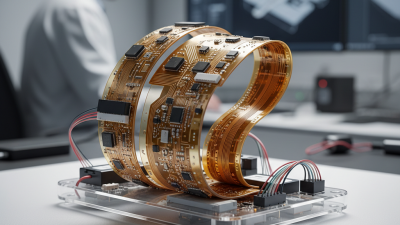
Flexible printed circuit boards (PCBs) have transformed modern electronics. These boards are lightweight and can bend, making them ideal for compact designs. Industries like automotive and consumer electronics utilize them extensively. According to a report by MarketsandMarkets, the flexible PCB market is expected to reach $30 billion by 2025. This indicates a significant demand for these circuits.
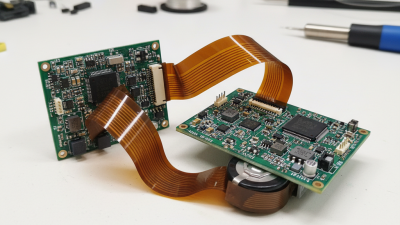
Their applications are vast. In smartphones, flexible PCBs enable intricate designs without compromising performance. Similarly, wearables rely on these circuits to fit snugly on the body. However, challenges remain. Manufacturing defects can occur with complex geometries. A lack of standardization can lead to compatibility issues across different applications.
Additionally, the reliability of flexible PCBs under stress is a concern. Reports suggest a 10-15% failure rate in specific conditions. Companies must assess testing methods carefully. Understanding the limitations is crucial for effective design. Investing time in research on materials and manufacturing processes can lead to better outcomes in flexible PCB projects.
Material Choices for Enhanced Performance in Flexible PCBs
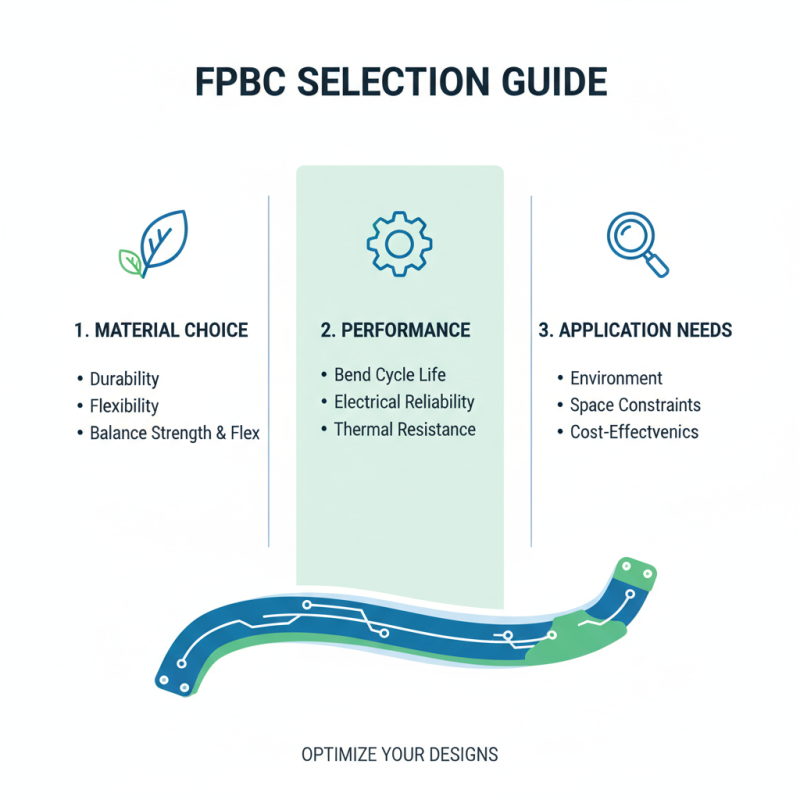
When selecting materials for flexible printed circuit boards (PCBs), the choices significantly impact their performance. Polyimide is a popular option due to its exceptional thermal stability. It can withstand extreme temperatures, making it ideal for demanding environments. This flexibility, however, comes with a price, often leading to higher production costs. Evaluating cost versus performance is crucial.
Another option is polyester. While it is less expensive, it does not offer the same durability as polyimide. For applications where budget is paramount, polyester may be sufficient. However, its limitations can become a concern. In high-stress conditions, polyester may not perform as expected. This trade-off between cost and reliability is essential to consider.
Copper thickness also plays a vital role in performance. Thicker copper can handle higher current but may reduce flexibility. Finding the right balance is often a challenge. Designers sometimes overlook the long-term implications of material choices. A PCB that seems adequate today may not meet future demands. Rethinking these decisions can lead to better outcomes in the long run.
Material Choices for Enhanced Performance in Flexible PCBs
Manufacturing Processes and Quality Control for Flexible PCBs
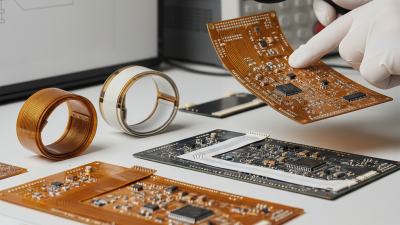
Flexible printed circuit boards (PCBs) play a crucial role in modern electronics. Their manufacturing processes are complex and require strict quality control. The production typically involves several steps, including material selection, layer stacking, and etching. Common materials include polyimide for flexibility and copper for electrical conductivity. Industry reports indicate that the global flexible PCB market is projected to grow significantly, reaching $26.16 billion by 2026.
Quality control is essential to ensure the reliability of flexible PCBs. Various tests must be conducted, such as visual inspections and electrical performance tests. A report by the IPC suggests that nearly 2% of all PCBs fail during testing due to manufacturing defects. Therefore, proper procedures must be in place to identify and correct these issues.
Tip: When choosing manufacturers, always ask about their quality assurance processes. It is critical to ensure they follow the latest IPC standards.
Another consideration is the trace width and spacing. Too narrow traces can cause electrical failures. In specific applications, maintaining a minimum trace width of 0.2 mm is recommended.
Tip: Request samples before finalizing orders. This will allow you to assess their quality firsthand. A bad sample can lead to significant issues down the line. Overall, attention to detail in manufacturing and testing can greatly influence the performance of flexible PCBs.
Cost Considerations and Budgeting for Flexible PCB Projects
When budgeting for flexible printed circuit board (PCB) projects, consider various cost factors. Industry reports indicate that flexible PCBs can reduce assembly costs by around 30%. This is significant for companies focused on efficiency. However, there are hidden costs to watch. Design complexity can lead to higher initial investments.
Material choice influences prices considerably. High-quality materials may seem pricey. They often provide better performance and durability. For example, polyimide substrates are favored for high-temperature applications. Yet, they come at a premium. It's crucial to weigh short-term savings against long-term benefits.
Manufacturing techniques also affect budgets. Advanced processes like laser cutting can increase manufacturing time. The latest data shows that about 15% of total project budgets are often spent on testing and prototyping. These are necessary for ensuring reliability. Underestimating these costs can derail project timelines and financial plans.