Essential Tips for Choosing Rigid Flex PCB for Your Project?
Choosing the right rigid flex PCB for your project is crucial. This component has gained attention due to its ability to combine the best features of both rigid and flexible circuitry. According to a recent report by ResearchAndMarkets, the global rigid flex PCB market is projected to reach $8 billion by 2026. This growth is largely driven by advancements in consumer electronics and medical devices, which increasingly rely on space-efficient designs.
Dr. Emily Chen, an expert in flexible electronics, emphasizes, "Selecting the right rigid flex PCB can significantly enhance product performance." However, this decision isn't always straightforward. Factors like material selection, layer count, and manufacturing processes can complicate the choice. Every project's unique requirements must be considered.
Rigid flex PCBs offer remarkable advantages. Yet, challenges exist in balancing cost and quality. Understanding individual project needs is essential. You must reflect on these details to make an informed choice. Ignoring specific parameters can lead to suboptimal performance. The right guidance can help navigate this complex landscape effectively.
Understanding Rigid Flex PCB: What It Is and Its Advantages
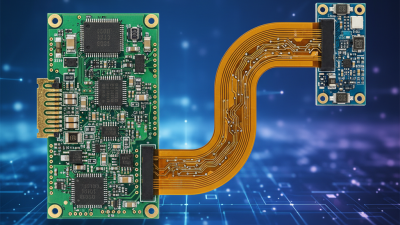
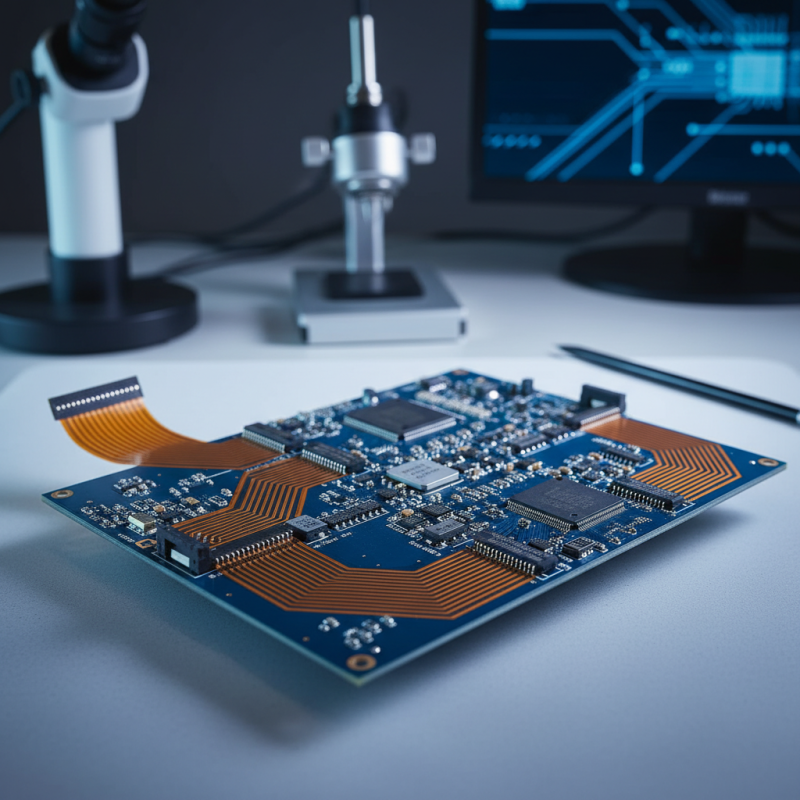
Rigid flex PCBs combine the advantages of rigid and flexible printed circuit boards. They provide durability and flexibility in one design. This unique construction allows for complex layouts while saving space. Engineers often choose these boards for compact electronic devices.
When considering a rigid flex PCB for your project, think about the design complexity. Ensure that your layout can effectively use both rigid and flexible areas. The materials you select can significantly affect performance. High-quality materials may cost more but offer better reliability.
Another important aspect is the manufacturing process. It can be intricate, and not all manufacturers will have the same capabilities. Look for those experienced with rigid flex designs. Test samples before committing to larger production runs is wise. This helps identify potential issues early on and reflects your project's specific needs.
Advantages of Rigid Flex PCBs
Key Factors to Consider When Choosing Rigid Flex PCB for Projects
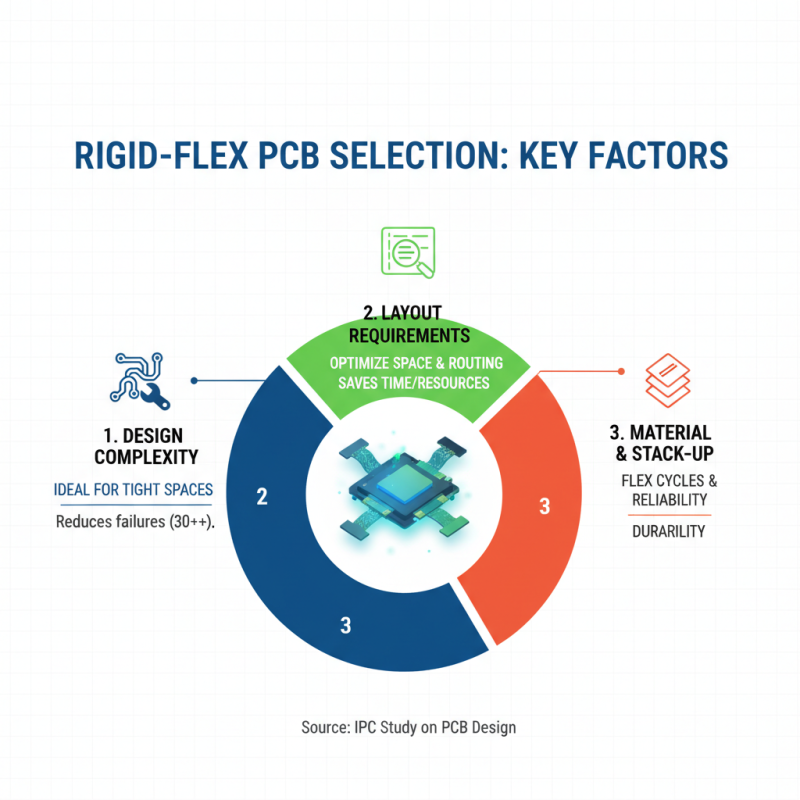
When selecting a rigid flex PCB for your project, several key factors come into play. One crucial aspect is the design complexity. Rigid flex PCBs are ideal for tight spaces and intricate designs. A study from IPC stated that around 30% of new designs fail due to layout constraints. Understanding the layout requirements can save time and resources.
Another factor to consider is material choice. Different materials affect flexibility and durability. According to data from IDTechEx, flexible circuits account for over 25% of the global PCB market. Choosing a substrate that matches your project's needs is critical. Do not overlook the environmental factors, as some materials can perform poorly in extreme conditions.
Tip: Prioritize testing early in the design phase. Testing can reveal deficiencies that might not be obvious initially.
Additionally, the manufacturing process can influence your decision. Some manufacturers may not handle complex builds. This could lead to delays or increased costs. Make sure the selected manufacturer aligns with your project's specific needs.
Tip: Always communicate directly with fabricators about your requirements. Clear communication helps avoid misunderstandings later.
Overall, considering these factors can significantly impact the success of your project. Take the time to analyze each aspect thoroughly.
Evaluating Design Requirements for Rigid Flex PCB Applications
When evaluating design requirements for rigid flex PCBs, several factors are crucial. Firstly, consider the application environment. Will the PCB endure high temperatures, moisture, or stress? Knowing this helps in selecting the right materials. For example, polyimide is often preferred for its thermal stability.
Next, analyze the size constraints. Rigid flex PCBs are ideal for compact devices. However, their design must balance flexibility with functionality. Oversized components can lead to issues, like increased weight or degradation in performance. Make sure to outline the maximum dimensions early in the design process.
Additionally, anticipate future scalability. Sometimes a project expands unexpectedly. You might wish to add features later on. Ensuring that your rigid flex design accommodates possible upgrades can save time and reduce costs. Reflect on compatibility with existing systems too. This consideration can avoid potential integration problems down the line.
Cost Considerations in Selecting Rigid Flex PCB Solutions
When selecting a rigid flex PCB, cost is a significant factor. Rigid flex PCBs tend to be more expensive than traditional options. This is due to their complex manufacturing process and advanced technology. Assess your budget carefully before making a decision. Consider not only the initial cost but also the long-term investment.
Here are some tips:
- Always request multiple quotes. Prices can vary widely among manufacturers.
- Look for hidden costs in assembly and testing. Shipping can add unexpected charges, so factor that in.
Evaluate the design's complexity. A more intricate design may lead to higher production costs. It might be tempting to go big on features, but sometimes simpler is better.
Balancing cost and functionality is crucial. Reflect on what you truly need vs. what you want.
Manufacturing Processes for Rigid Flex PCB: What You Need to Know
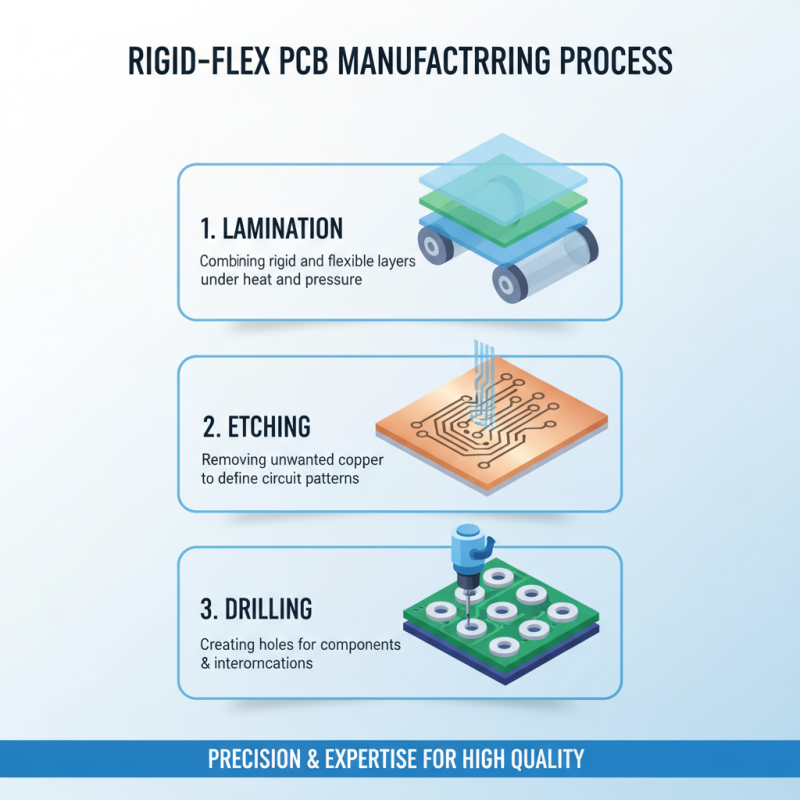
When selecting a rigid flex PCB for your project, understanding the manufacturing processes is crucial. Rigid flex technology combines the best aspects of rigid and flexible circuits. During the manufacturing phase, various techniques come into play. These include lamination, etching, and drilling. Each step demands precision and expertise to ensure high-quality results.
Lamination involves combining layers of materials. This creates the desired flexibility and rigidity. Yet, this process can be tricky. Poor lamination might lead to weak joints or delamination. Next comes etching, where unwanted copper is removed. It's essential to control this process; over-etching can compromise the circuitry. The drilling stage is similarly critical; inaccurate holes can disrupt functionality.
Designers often overlook the importance of testing these PCBs. Incomplete testing can lead to complications down the line. Regular checks during production save time and costs. Understanding these elements is key. It leads to choosing the right rigid flex PCB that meets project needs, ensuring reliability and efficiency.