Top Tips for Sourcing Flex PCB Manufacturing in China?
When considering flex PCB manufacturing, China stands out as a leading hub. The country's extensive resources and advanced technology make it an appealing choice for businesses. However, navigating this landscape requires careful planning and knowledge. Sourcing flex PCB manufacturers in China can be challenging, particularly for newcomers.
Many companies underestimate the complexities involved in production. Communication barriers and varying quality standards can cause delays. It's crucial to establish clear expectations from the outset. A thoughtful approach helps in identifying reliable partners. Each step in the sourcing process deserves attention to detail.
Potential pitfalls may arise if proper research is not conducted. Understanding the local market trends and manufacturer capabilities can significantly impact outcomes. A successful sourcing strategy in flex PCB manufacturing combines experience, industry knowledge, and effective communication. It’s not just about finding the lowest price; quality, reliability, and trust matter immensely.
Understanding the Flex PCB Market Landscape in China
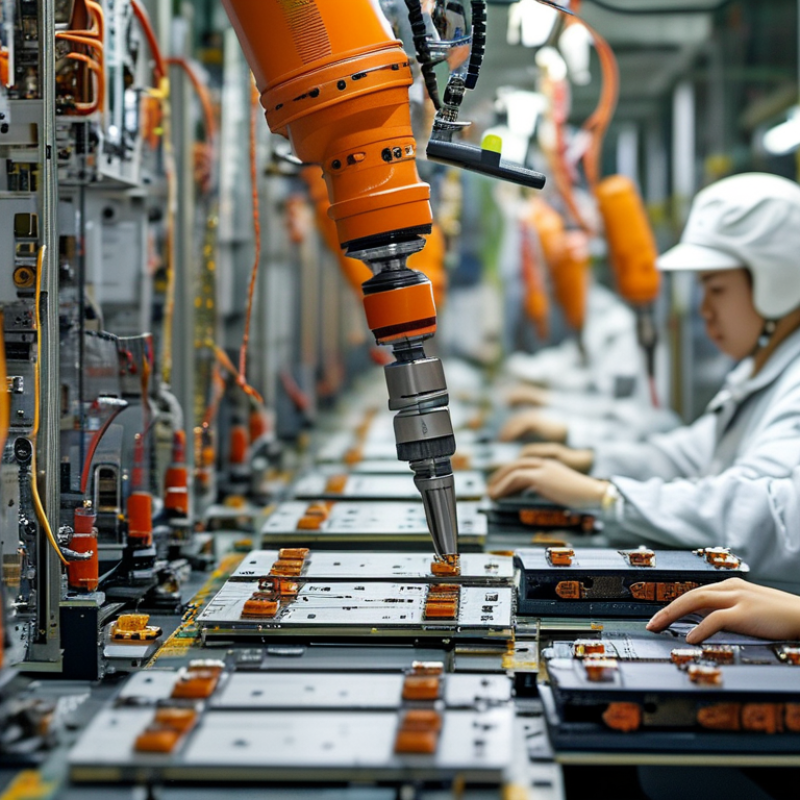
China's flex PCB market is rapidly evolving. Many companies are venturing into this sector due to its growing demand. The flexibility and lightweight nature of flex PCBs make them ideal for various applications, especially in consumer electronics and automotive industries. However, sourcing these products requires understanding the unique market landscape.
The first challenge is identifying qualified manufacturers. Many factories claim to produce high-quality flex PCBs. Not all have the necessary certifications or experience. It helps to research their production capacity and past projects. Engaging directly with suppliers can reveal their commitment to quality and innovation. Additionally, consider their ability to meet specific design requirements.
Another important aspect is navigating regional differences. Various provinces in China specialize in different aspects of PCB manufacturing. Some areas focus on high-volume production while others excel in advanced technology. Visiting factories can provide valuable insights. This hands-on approach fosters relationships and enhances trust.
It's essential to be aware of the evolving regulations in the Chinese PCB industry. These can impact manufacturing processes and costs. Keeping abreast of industry news is crucial. Flexibility in sourcing strategies can lead to better outcomes.
Market Comparison of Flex PCB Manufacturing in China (2023)
Key Factors Influencing Flex PCB Manufacturing Costs in China
When sourcing Flex PCB manufacturing in China, understanding the key factors influencing costs is crucial. Material selection plays a significant role. High-quality materials can increase costs but enhance durability and performance. Conversely, lower-grade options might save money initially, but they often lead to reliability issues. Manufacturers typically use polyimide, an expensive yet robust choice, for flexible circuits.
Another important aspect is technology and equipment. Advanced machinery can produce intricate designs with precision. However, the initial investment in this technology is substantial. Older factories might offer lower rates but may struggle with complex specifications. Labor costs in China also fluctuate. Regions with higher wages might provide better skilled labor, impacting overall quality.
In addition, order volume is a critical consideration. Larger orders often lead to economies of scale, reducing per-unit costs. However, smaller orders can incur higher expenses due to setup fees. It's essential to balance order size with quality needs. Lastly, consider lead times. Quick turnaround may require premium pricing, yet longer wait times can impact project timelines. Thus, carefully evaluating these factors can lead to a more informed sourcing decision.
Evaluating Manufacturer Capabilities: Quality Certifications and Standards
Evaluating manufacturer capabilities is crucial when sourcing flex PCB manufacturing in China. Quality certifications are a key indicator of a manufacturer’s reliability. Look for ISO 9001 certification, which demonstrates adherence to quality management standards. Reports suggest that over 70% of top manufacturers in China have this certification. This not only enhances their operational efficiency but also assures clients of consistent quality.
Another important standard is IPC-A-600. This certification speaks to the acceptability of printed circuit boards. Companies holding this certification have gone through thorough inspections and testing. It’s reported that manufacturers with IPC certification tend to have a lower return rate, less than 2%. This is significant when considering the high stakes in electronics production.
While certification is important, it shouldn’t be the sole focus. The actual capabilities of a manufacturer should also be examined. This includes their experience in producing flex PCBs and their technology. Some manufacturers may possess all the certifications but lack advanced technology or sufficient experience. A balance between certifications and practical capabilities is essential for successful sourcing.
Best Practices for Communicating Specifications and Expectations
Effective communication of specifications is key when sourcing flex PCB manufacturing in China. Clear documentation ensures that both parties have the same understanding. Start with detailed drawings and realistic dimensions. Include material specifications and tolerances. This helps prevent misinterpretations that can lead to costly mistakes.
Utilizing visual aids can enhance clarity. Incorporate diagrams or photos to illustrate complex features or assembly instructions. This not only provides a clear reference but also minimizes misunderstandings. Always encourage feedback from manufacturers to confirm their understanding of your requirements.
Regular updates during the production process also play a critical role. Establishing milestone checkpoints allows adjustments to be made in real-time. This approach fosters a collaborative environment and can improve overall product quality. Transparency in communication builds trust and a stronger partnership, making the sourcing process more efficient.
Logistics and Supply Chain Considerations for Flex PCB Sourcing
When sourcing flexible PCB manufacturing in China, logistics and supply chain considerations are crucial. Start by understanding the geographical advantages. Major manufacturing hubs like Shenzhen offer efficient transportation options. Proximity to suppliers reduces shipping time and costs. However, it's essential to verify the reliability of logistics partners. Not all providers meet industry standards.
Consider customs regulations and duties. Unexpected tariffs can impact overall expenses. It’s wise to consult with professionals who specialize in importing electronics. Adequate planning can help avoid delays and financial losses. You may experience setbacks during the shipping process. Communication gaps can lead to misunderstandings, potentially impacting deadlines.
Inventory management is another key factor. Ensuring a steady flow of components is vital. A just-in-time strategy can be beneficial, yet it carries risks. Suppliers may face production delays. Having backup suppliers can mitigate these issues. Evaluating the trade-offs is essential to maintain a smooth operation. Balancing cost and reliability often requires ongoing adjustments.