Top 5 Tips for Sourcing PCB Printed Circuit Boards Efficiently?
In the fast-evolving world of electronics, efficient sourcing of PCB printed circuit boards is vital. Leading industry expert Dr. Alice Carter emphasizes, "The right sourcing strategy can drastically reduce production costs.” PCB printed circuit boards serve as the backbone of modern devices, and finding them isn’t always simple.
Navigating the PCB market requires more than just a list of suppliers. It demands a deep understanding of technology and trends. Many companies face challenges in selecting the right materials and manufacturers. This process can lead to delays and increased costs. Yet, some organizations still overlook critical aspects, which complicates their operations.
Building relationships with trusted suppliers is essential. It fosters collaboration and trust, ultimately enhancing the sourcing process. Reflection on past sourcing experiences can lead to better decisions. Learning from mistakes is just as important as celebrating successes. A strategic approach to sourcing PCB printed circuit boards can define your competitive edge.

Understanding PCB Specifications for Efficient Sourcing
When sourcing PCB printed circuit boards, understanding specifications is crucial. Clear identification of requirements helps streamline the entire process. Key specifications include board thickness, copper weight, and layer count. Each of these factors directly impacts the functionality of your final product. For instance, a thicker board generally offers higher durability but may increase weight.
Another vital consideration is the finished surface type. Options vary from HASL to ENIG. These finishes affect solderability and overall performance. It’s essential to know which type suits your application. Not all finishes are created equal; evaluating pros and cons is important. Additionally, compliance with industry standards, such as IPC-6012, can impact sourcing. Being aware of these standards ensures reliability in your PCBs and reduces potential issues down the line.
Many may overlook the role of component spacing and pad design. Poor design can lead to assembly challenges. Aim for adequate spacing to facilitate manufacturing processes. Moreover, continuous reflection on your specifications allows for improvements. Regularly revisiting these requirements can lead to more efficient sourcing. Balancing specifications with practicality remains a key area for consideration.
Top 5 Tips for Sourcing PCB Printed Circuit Boards Efficiently
This chart illustrates the importance of understanding various PCB specifications for efficient sourcing. Each category represents a critical aspect of PCB sourcing.
Identifying Reliable PCB Manufacturers and Suppliers
Finding reliable PCB manufacturers and suppliers is crucial for any electronics project. According to a recent industry report, nearly 70% of project delays stem from sourcing issues. Thus, assessing a supplier's reliability is paramount.
One effective tip is to verify the manufacturer's certifications. Look for ISO 9001 and IPC standards, which indicate adherence to quality protocols. Documentation from reputable audit firms adds another layer of trust. A study found that certified manufacturers produce 25% fewer defects.
Another recommendation is to request samples before placing larger orders. This practice allows evaluation of the manufacturer’s quality and reliability. Consider also seeking references from previous clients to gain insights into their experiences. Often, peer feedback provides valuable perspectives that industry ratings may miss.
Additionally, prioritize manufacturers with transparent communication. Suppliers who provide clear timelines and updates tend to be more dependable. A lack of communication may be a red flag, suggesting potential issues in the production process. Considering these factors will help mitigate risks and ensure smoother project execution.
Top 5 Tips for Sourcing PCB Printed Circuit Boards Efficiently
| Tip No. |
Sourcing Tip |
Key Considerations |
Potential Resources |
| 1 |
Research and Compare Manufacturers |
Quality certifications, production capabilities |
Industry directories, online marketplaces |
| 2 |
Request Samples |
Assess material quality and manufacturing standards |
Direct contacts, trade shows |
| 3 |
Check Customer Reviews and References |
Reputation, after-sales service |
Online forums, social media |
| 4 |
Evaluate Production Capacity |
Lead times, scalability for large orders |
Manufacturer websites, inquiry forms |
| 5 |
Negotiate Terms and Pricing |
Cost efficiency, payment terms, bulk discounts |
Direct negotiation, comparison tools |
Evaluating Cost-Effectiveness and Quality in PCB Production
When evaluating cost-effectiveness and quality in PCB production, it's crucial to focus on various parameters. Understanding your budget is key. A lack of clear financial guidelines can lead to overspending. Researching suppliers thoroughly can yield better results in quality without breaking the bank.
Tip: Always compare multiple quotes. This helps in identifying discrepancies. A low price may hide inferior materials or processes. Engaging with suppliers who provide transparent details about their manufacturing process is beneficial.
Quality assurance tests are non-negotiable. Relying solely on price can harm the project's integrity. Establishing robust criteria for testing can mitigate risks. Consider factors such as durability and performance. Assessing previous customer feedback provides insight into a supplier’s reliability.
Tip: Don’t overlook the importance of communication. Clear dialogue with your suppliers prevents misunderstandings. Establishing a strong relationship can lead to more favorable terms later. Prioritize quality, but recognize that achieving balance with cost is an ongoing challenge.
Leveraging Technology for Enhanced PCB Sourcing Processes
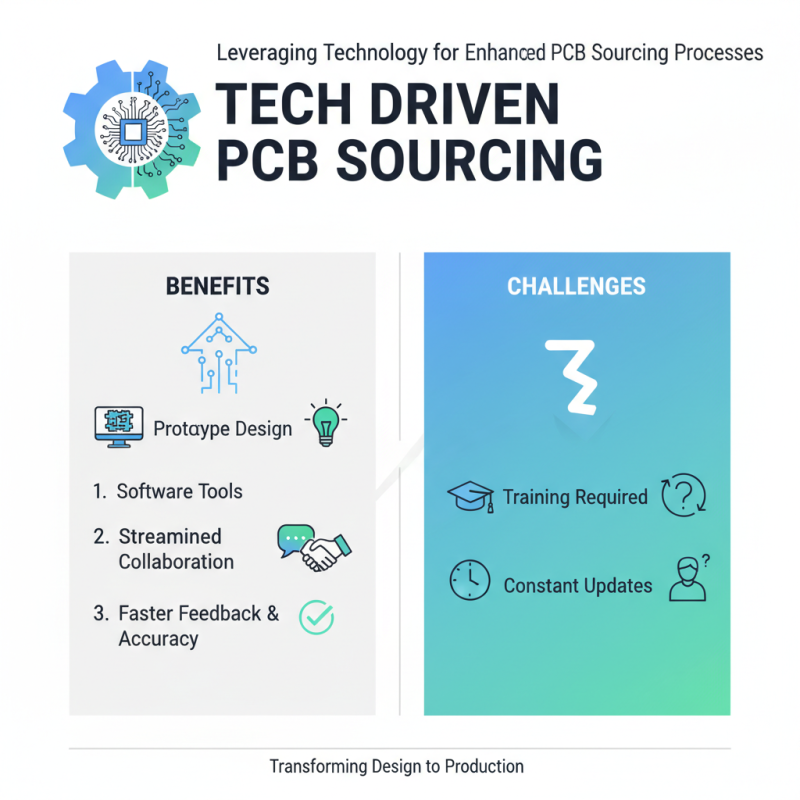
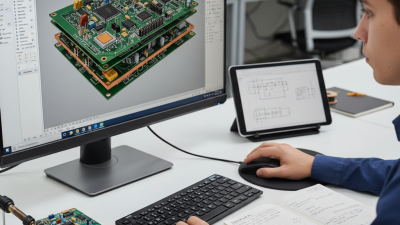
Leveraging technology can radically transform the PCB sourcing process. Many engineers now rely on advanced software tools for prototype design. These tools streamline collaboration, shorten the feedback loop, and enhance accuracy. However, new technologies can bring challenges, such as the need for proper training. Constant updates in software versions can leave teams scrambling to stay current.
Incorporating automation can increase efficiency as well. Automated sourcing platforms can instantly connect with multiple suppliers. This reduces time spent on manual searches. It also minimizes human errors in order placements. Yet, it raises concerns about over-dependence on technology. Teams must ensure a balance between automation and personal oversight to maintain quality.
Data analytics plays a crucial role too. By analyzing past sourcing decisions, companies can make informed choices. Understanding trends in material costs and supplier reliability can lead to better negotiations. Still, relying solely on historical data might not account for sudden market shifts. Sourcing teams need to remain agile and be ready to adapt to changes.
Building Strong Relationships with PCB Vendors for Long-Term Success
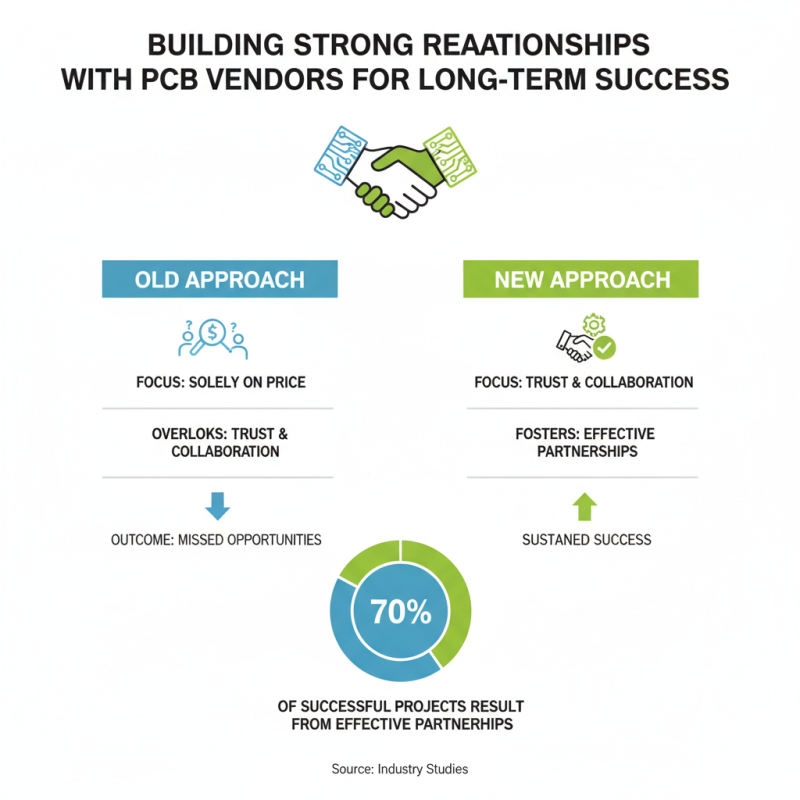
Building strong relationships with PCB vendors is essential for long-term success. Many companies overlook this aspect, focusing solely on price. However, studies show that fostering trust and collaboration can lead to better outcomes. For instance, 70% of successful projects result from effective partnerships.
Open communication is crucial. Regular updates and feedback loops help address issues quickly. A 2022 industry report indicated that companies with regular vendor meetings experienced a 40% reduction in supply chain disruptions. This emphasizes the importance of an engaged vendor relationship, not just transactional exchanges.
Understanding vendor capabilities can also enhance sourcing efficiency. A detailed knowledge of their processes can aid in aligning your needs with their expertise. This approach can lead to innovative solutions, as many vendors appreciate the opportunity to collaborate creatively. A growing number of firms report that 60% of their new product ideas stem from vendor input. Indeed, reflecting on past collaborations can highlight areas for improvement and foster growth for both parties.