
China Top 10 Steel Fire Rated Shutter Manufacturers
Choosing among China’s top steel fire-rated shutter manufacturers requires more than comparing prices or product photographs. A Steel Fire-Rated Shutter must suit the opening, building use, and expected fire-protection requirements. The right choice depends on verified performance, not polished marketing alone.
This guide introduces ten manufacturers and offers practical points for comparing their products and services. Look for clear technical specifications, documented fire-test results, suitable materials, and support for installation and maintenance. Ask how the shutter performs during testing, what conditions the test covered, and whether those results match your project’s needs. Details matter. A brochure is only a starting point.
Manufacturing capacity, customization options, delivery planning, and after-sales support can also affect a project. Request current documents and confirm that certificates apply to the exact model being considered. Standards and approval requirements vary by location, so check them with qualified project professionals before making a purchase. A manufacturer’s name alone cannot guarantee a suitable result. This comparison is intended as a useful starting point, not an independent certification or endorsement of every company listed. Some details may be difficult to compare directly, and that is worth acknowledging. Careful questions—and a review of the actual product documentation—can help buyers make a more informed shortlist.
What Steel Fire-Rated Shutters Are and Where They Are Used
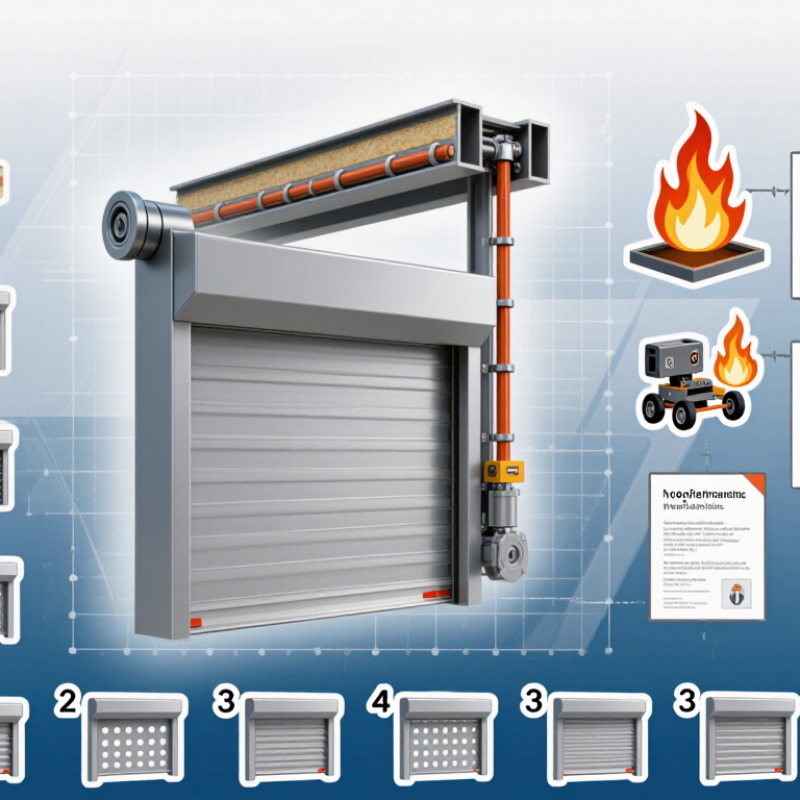
Steel fire-rated shutters are protective closures designed to resist fire and help limit its spread through an opening. They typically use interlocking steel slats, side guides, a barrel, and a release or control mechanism. When activated, the curtain lowers across a doorway or service opening. Not a magic wall. Performance depends on the complete tested assembly, including its frame, guides, seals, and installation. Ratings and operating features vary, so specifications should match the building’s needs and approved design.
Common locations include warehouses, commercial kitchens, loading areas, factories, and openings between corridors and storage rooms. At a loading bay, a shutter can separate a busy work zone from an adjoining space while allowing routine access. In kitchens, grease, heat, and frequent cleaning can affect components; the unit needs suitable finishes and maintenance access. Shutters may also cover counters or pass-through openings. Small details matter.
A fire-rated shutter is not interchangeable with an ordinary security shutter. Check for documented fire-test information, clear installation instructions, and a schedule for inspection and functional testing. Keep the opening unobstructed, and check that the curtain moves freely without scraping or stopping short. Real buildings are imperfect: dust, impact damage, or later alterations can undermine performance, even when the original product was carefully specified.
| No. | Building Area or Application | Typical Opening | How a Fire-Rated Shutter Is Used | Selection and Compliance Considerations |
|---|---|---|---|---|
| 1 | Retail shopfronts in shopping centres | Shop entrances facing malls or shared public corridors | A shutter can close an opening to help limit fire spread between a shop and an adjoining area. | Confirm that the complete shutter assembly is tested and approved for the required opening and fire-protection purpose. |
| 2 | Warehouse compartment openings | Large openings between storage areas or fire compartments | A motorised shutter can close across a wide opening when activated by its approved release or control system. | Check the tested size limits, operating method, installation details, and required fire-resistance performance. |
| 3 | Loading bays | Internal openings between loading areas and adjoining building zones | A fire shutter can provide a closable barrier where a permanently open passage would compromise compartmentation. | Coordinate the shutter with loading equipment, traffic routes, detection, and any required fail-safe operation. |
| 4 | Factory production areas | Openings between production rooms, workshops, or process zones | A steel curtain and its supporting components form part of a tested fire-protection assembly at the opening. | Consider heat, dust, vibration, frequency of operation, and the maintenance access needed for the system. |
| 5 | Commercial kitchens and service areas | Pass-throughs or openings between kitchens and adjacent spaces | A shutter may close an opening to help separate areas during a fire, where the design and local rules permit its use. | Specify a system suitable for the environment and verify that its listing covers the intended application. |
| 6 | Car parks and service corridors | Openings connecting parking areas with internal building zones | A shutter can be used as part of a fire-compartment boundary at a designated opening. | Confirm how the shutter interacts with escape routes, ventilation, fire detection, and the building fire strategy. |
| 7 | Conveyor-system openings | Wall openings through which conveyors pass | A purpose-designed shutter arrangement can protect an opening associated with a conveyor, subject to its tested design. | Check conveyor interfaces, obstruction detection, closing sequence, and approval for the specific configuration. |
| 8 | Commercial kitchens in hotels or institutions | Openings between food-preparation areas and other occupied spaces | Where permitted, a fire-rated shutter can close a service or circulation opening as part of the compartmentation design. | Do not assume a standard shutter provides grease, smoke, or hygiene control; confirm each required function separately. |
| 9 | Retail stockrooms and back-of-house areas | Openings between sales floors, stockrooms, and service areas | A shutter can allow normal access when open and close the opening when triggered by the approved system. | Check clearances, controls, access requirements, and whether the shutter may be used on the designated escape route. |
| 10 | Transport and public-service buildings | Selected openings in stations, terminals, and other large public buildings | A shutter may help divide large interior spaces into fire-protection zones when included in the approved building design. | Coordinate with public circulation, emergency procedures, accessibility, and the applicable local building regulations. |
| General note: A steel fire-rated shutter is a complete assembly, typically including a steel curtain, guides, barrel, bottom bar, operating equipment, and release or control devices. Fire-resistance ratings, permitted opening sizes, smoke-control performance, and activation requirements depend on the tested product configuration, local codes, and the approved building design. A fire rating alone does not mean the shutter is smoke-rated. | ||||