Top Cryogenic Gearbox Manufacturers in China for Global Buyers?
The Cryogenic Gearbox industry plays a crucial role in various advanced applications, particularly in the energy sector. According to Dr. Emily Liu, a leading expert in cryogenic technology, “The efficiency of a cryogenic gearbox can significantly impact overall performance." This highlights the importance of choosing the right manufacturer.
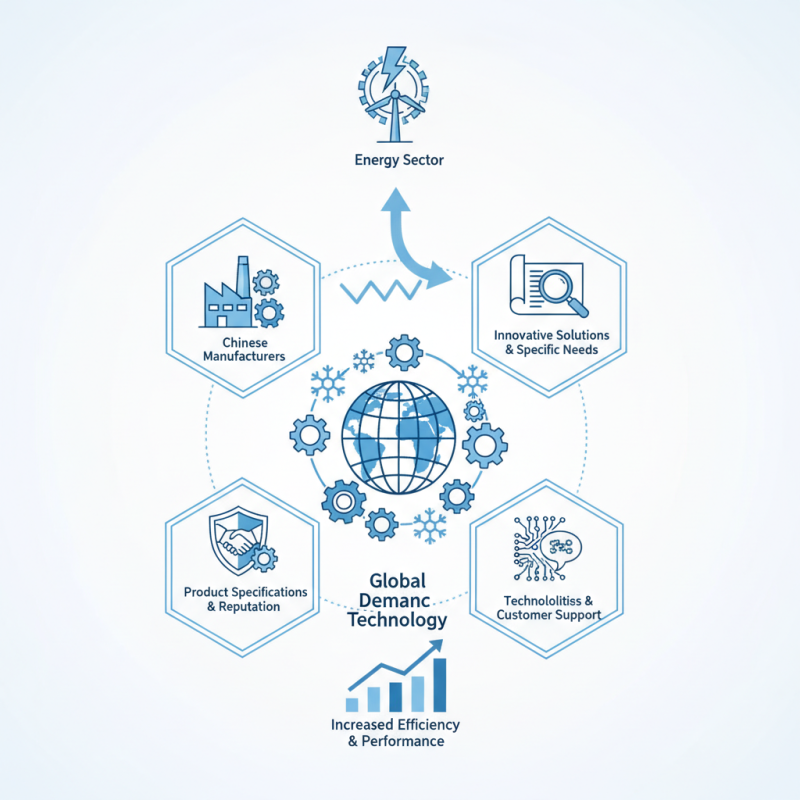
As global demand increases, several Chinese manufacturers have emerged. They offer innovative solutions tailored to specific needs. This competitive landscape provides opportunities for international buyers seeking high-quality cryogenic gearboxes.
However, with many options available, it can be challenging to make informed decisions. Buyers must consider not only product specifications but also the reputation of manufacturers. It's essential to assess both the technological capabilities and the customer support provided by these companies in the scorching market of cryogenic gearboxes.
Overview of Cryogenic Gearboxes and Their Applications
Cryogenic gearboxes are essential for industries that require very low temperatures. These devices transmit mechanical power in extreme environments, ensuring reliability and efficiency. Common applications include liquefied natural gas (LNG) processes and cryogenic storage systems. According to a recent report by MarketsandMarkets, the global cryogenic equipment market is projected to reach $XX billion by 2025, indicating significant growth in demand.
These gearboxes operate in temperatures below -150°C. Standard materials may not withstand such conditions, leading manufacturers to rely on advanced alloys. The design also demands precise engineering to minimize energy loss. Efficiency becomes critical as even a small failure can have costly consequences in industries like aerospace or medical.
Challenges remain in the market. There is a need for continuous innovation to improve performance. Current gearboxes face issues such as wear and tear in extreme temperatures. Additionally, obtaining high-quality components can be difficult. Despite these hurdles, the potential for growth in applications for cryogenic gearboxes remains substantial, driven by sectors like renewable energy and gas processing. The evolving landscape invites manufacturers to rethink their approaches continually.
Key Features and Advantages of Cryogenic Gearboxes
Cryogenic gearboxes play a vital role in various industries, especially in the LNG sector. These gearboxes must function efficiently at extremely low temperatures, often below -150°C. This requirement leads to the use of specific materials and designs that can withstand the challenges of cryogenic environments. According to a recent industry report, the global market for cryogenic technology is anticipated to grow at a CAGR of 7.5% from 2023 to 2028, highlighting its increasing demand.
Key features of cryogenic gearboxes include enhanced insulation and specialized lubricants that remain effective in low temperatures. This ensures reliable performance and reduces the risk of equipment failure. Advanced sealing technologies also prevent leaks of cryogenic fluids, which is crucial for safety and efficiency. Additionally, these gearboxes typically have a compact design, making them suitable for space-constrained environments.
**Tips:** When selecting a cryogenic gearbox, consider factors like durability, maintenance requirements, and thermal management. It’s important to balance performance with cost. Look for gearboxes that have undergone rigorous testing for quality assurance. Remember, not all gearboxes are equally effective in all conditions; evaluate them based on your specific application needs. Always seek expert advice when in doubt.
Top Cryogenic Gearbox Manufacturers in China for Global Buyers
| Manufacturer Location | Production Capacity (Units/Year) | Key Features | Advantages |
| Shanghai | 5000 | High thermal efficiency, compact design | Energy saving, space-saving solutions |
| Beijing | 3000 | Low maintenance, durable materials | Reduced downtime, long-term reliability |
| Guangzhou | 4000 | Advanced sealing technology, corrosion-resistant | Extended product life, improved safety |
| Shenzhen | 4500 | Modular design, customizable options | Flexibility for various applications |
Top Manufacturers of Cryogenic Gearboxes in China
China has emerged as a pivotal player in the cryogenic gearbox manufacturing industry. Recent reports indicate that the market for cryogenic gearboxes has been expanding steadily, driven by the rising demand for natural gas and the growing emphasis on energy-efficient technologies. According to market analysis, the global cryogenic gearbox market is projected to reach USD 2.5 billion by 2025, showcasing a growth rate of over 6% annually.
Manufacturers in China are adapting to these trends by enhancing their production techniques and investing in R&D. Many companies focus on specific capabilities, such as high efficiency and durability at ultra-low temperatures. Additionally, localized production allows for quicker response times and custom solutions for international buyers. Data suggests that over 40% of the global supply comes from Asia, with Chinese manufacturers leading the way in competitive pricing and technological advancements.
However, challenges persist in terms of quality control and consistency. Some products do not always meet international standards, necessitating careful evaluation by global buyers. The reliance on specific materials can lead to variability in performance under extreme conditions. The industry's evolution continues, demanding a balance between innovation and reliability to satisfy growing international needs.
Comparison of Global Cryogenic Gearbox Suppliers
When analyzing global suppliers of cryogenic gearboxes, it's crucial to assess their manufacturing capabilities. China has a rapidly growing presence in this niche market. Many manufacturers focus on advanced technologies and production methods. They aim to meet the specific needs of industries such as LNG, aerospace, and pharmaceuticals.
The quality of materials used is a significant factor. Many Chinese manufacturers invest in high-grade steel and specialized coatings to ensure durability. However, some companies still struggle with consistency in their quality control processes. It's vital for buyers to inquire about certifications and testing procedures.
Pricing is another key aspect for global buyers. Chinese suppliers often offer competitive pricing compared to their counterparts. Still, potential pitfalls include varying service levels and communication challenges. Understanding these dynamics can make a difference in procurement decisions. Ultimately, building strong relationships with suppliers is essential, as it fosters better communication and enhances reliability.
Market Trends and Future Outlook for Cryogenic Gearbox Industry
The cryogenic gearbox industry is experiencing significant growth due to the increasing demand for efficient machinery in diverse sectors. According to a recent market analysis, the global cryogenic gearbox market is projected to reach a value of $1.5 billion by 2027, growing at a CAGR of approximately 6.5%. This expansion highlights the growing need for advanced technologies in applications like LNG processing and aerospace.
Recent trends indicate a shift towards lightweight materials and enhanced energy efficiency in gearbox design. Manufacturers are focusing on integrating smart technologies to improve performance and reliability. However, challenges such as fluctuating raw material prices and stringent regulations may affect production costs and timelines. This industry must adapt and innovate continually to remain competitive.
Future growth depends heavily on technological advancements and the ability of manufacturers to meet evolving market demands. Collaboration with research institutions can facilitate innovative solutions and best practices. As we advance, the industry must also address potential environmental impacts of production and strive for sustainable practices. Continuous assessment and adaptation will be key to navigating the complexities of the cryogenic gearbox landscape.