Top Dough Cutting Machine for Efficient Baking Solutions?
The dough cutting machine has revolutionized the baking industry, enhancing efficiency and precision. According to the International Bakery Equipment Association, the demand for automated dough processing equipment has surged by 25% over the past three years. This trend reflects a growing need for speed and consistency in production, crucial for meeting consumer expectations.
Expert in the field, Dr. Henry Baker, highlights the importance of these machines in modern baking. He states, "Investing in a reliable dough cutting machine can improve not just output but also product quality." As bakeries expand, challenges like maintaining dough integrity remain critical. While these machines deliver impressive results, their operation requires skilled personnel to ensure reliability.
Moreover, it's essential to consider the balance between automation and craftsmanship. While technology offers efficiency, some traditional bakers feel it may compromise artistry. Hence, introducing a dough cutting machine must be strategic, blending innovation with classical techniques for the best outcomes in baking.
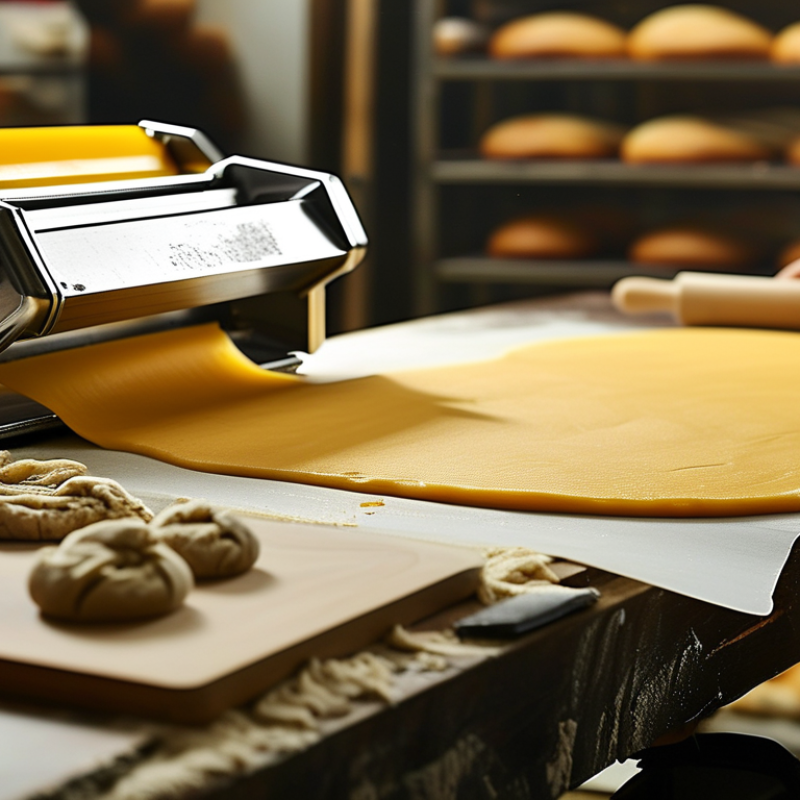
Top Features to Look for in a Dough Cutting Machine
When choosing a dough cutting machine, several key features are essential for ensuring efficiency. High precision is crucial. Machines that offer adjustable cutting settings allow bakers to create uniform pieces. This uniformity is key in baking consistency. Reports show that 70% of professional bakers prefer equipment that minimizes waste and maximizes yield. A reliable machine can significantly reduce dough scraps.
Another important feature is durability. A robust construction ensures that the machine can handle high-volume tasks without frequent breakdowns. Many industry experts suggest that machines with stainless steel components have a longer lifespan. Regular maintenance, however, is often overlooked. It is important to routinely check for wear and tear.
Speed also plays a vital role. Machines that operate quickly can significantly increase throughput. Research indicates that bakeries using efficient dough cutters can improve production by up to 50%. However, speed should not compromise the quality of the cut. Some bakers report that machines can occasionally produce uneven slices if not monitored closely. Balancing speed and precision requires experience and attentiveness. Investing in the right features makes all the difference for any bakery aiming for success.
Top Dough Cutting Machine for Efficient Baking Solutions
| Feature | Description | Benefit |
| Adjustable Cutting Width | Allows for customizing the size of dough pieces. | Increases flexibility in baking products. |
| Durable Blade Material | Made from high-quality stainless steel. | Ensures longevity and sharpness for precise cuts. |
| Safety Features | Includes protective guards and automatic shut-off. | Minimizes risk of accidents during operation. |
| Easy Cleaning Design | Removable parts and smooth surfaces. | Simplifies maintenance and hygiene procedures. |
| Compact Size | Designed to fit in limited kitchen spaces. | Maximizes workspace in professional kitchens. |
Types of Dough Cutting Machines for Different Baking Needs
When selecting a dough cutting machine, it's vital to consider various types tailored to specific baking needs. Commercial bakers often require robust machines that can handle high volumes. These machines can cut dough into precise shapes and sizes, perfect for consistent production. They are usually fitted with adjustable blades to allow for different thicknesses.
For smaller bakeries or home bakers, manual dough cutters offer more flexibility. These devices might be simpler in design but still provide efficiency. A simple hand-held cutter can easily slice through dough without the complexity of mechanization. It encourages creativity, allowing bakers to experiment with various shapes.
However, when transitioning from manual to electric models, bakers should weigh the pros and cons. Electric machines save time but may have a steeper learning curve. Finding the right balance between efficiency and creativity can be challenging. Some bakers might find electric options difficult to control, affecting the desired dough texture. It’s important to assess individual needs before making a choice.
Benefits of Using Dough Cutting Machines in Bakeries
In the world of baking, efficiency is key. Dough cutting machines offer practical benefits for bakeries, streamlining processes that can often be time-consuming. With precise cutting capabilities, these machines ensure uniformity in dough pieces, improving overall product quality. Bakers can achieve consistent sizes, leading to better texture and appearance.
Using a dough cutting machine reduces labor costs. It minimizes the need for skilled labor, allowing staff to focus on other critical baking tasks. However, it's essential to train staff properly. Machines can malfunction or produce inconsistent cuts if not used correctly. Investing time in training ensures that bakeries can maximize the potential of these machines.
The initial investment in a dough cutting machine may be daunting. Yet, the long-term benefits often outweigh the costs. Bakeries can increase production capacity while maintaining high standards. However, some bakers may struggle to adapt to new technology. They might resist change or face a learning curve. Understanding and addressing these challenges can lead to enhanced baking processes.
Maintenance Tips for Optimal Performance of Dough Cutting Machines
Dough cutting machines are vital for baking efficiency. Regular maintenance ensures they perform at their best. According to industry reports, a well-maintained machine can increase production efficiency by up to 20%. This can lead to substantial cost savings over time.
Cleaning the machine after each use is critical. Flour and dough remnants can accumulate, affecting performance. Scheduled lubrication is also essential. It prevents wear and tear, prolonging the machine's lifespan. Failure to do so can lead to machinery breakdown, resulting in costly downtime.
Monitoring cutting blades is equally important. Dull blades can create uneven cuts, affecting product quality. Industry experts recommend inspecting blades weekly. Replacement is necessary if wear is noticeable. Neglecting this can compromise the entire baking process. Such insights stress the importance of regular maintenance for optimal performance.
Comparative Analysis of Leading Dough Cutting Machines in the Market
In the competitive baking industry, the choice of equipment can significantly impact efficiency. Leading dough cutting machines vary in features and capabilities. A recent analysis indicates that the global market for bakery equipment is expected to grow by 4.5% annually. This underscores the increasing reliance on advanced machines for production.
One critical factor to consider is cutting precision. Machines equipped with advanced mechanisms can produce uniform dough pieces. Studies show that uniformity can enhance baking consistency, leading to better product quality. Some machines offer adjustable speed settings, allowing bakers to customize operations based on dough types. This adaptability is crucial for meeting diverse baking needs.
Another aspect worth reflecting on is maintenance. Machines with intricate designs may require more frequent servicing. Data suggests that 15% of downtime in bakeries is linked to equipment failure. Choosing a model with straightforward maintenance can reduce this risk. Balancing efficiency with durability is key. It’s essential to evaluate your workflow before making a purchase. Make informed decisions based on detailed comparisons of features and performance. This will lead to better overall productivity.