
Top Flexible Circuit Board Innovations at the 139th Canton Fair?
The 139th Canton Fair showcases groundbreaking innovations in the flexible circuit board industry. As technology rapidly advances, flexible circuit boards continue to play a crucial role in electronics. Dr. Alice Wang, a leading expert in flexible circuits, believes, "Flexibility in design is the future of electronics." Her insight highlights the importance of adaptability in circuit board applications.
The fair scheduled for April 2026 offers a unique platform for businesses to display their innovations. Vendors will showcase new materials and manufacturing techniques. Expect to see enhanced performance characteristics and sustainability measures. Enhanced navigation features will help buyers find specific suppliers quickly. This efficiency will encourage more interaction between buyers and exhibitors.
Challenges still linger within the industry. While innovations are exciting, the high costs of development can hinder small companies. Additionally, not all designs meet strict certification requirements. The Canton Fair creates opportunities to address these issues. Networking among industry experts could lead to collaborative solutions, fostering growth in the flexible circuit board sector.
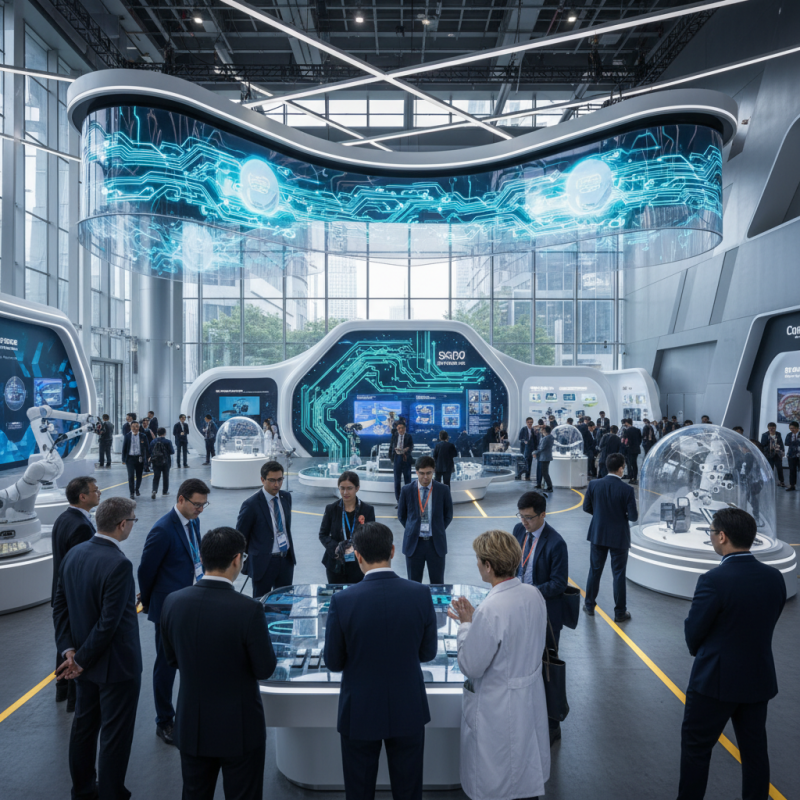
Innovative Materials Used in Flexible Circuit Boards at Canton Fair
The 139th Canton Fair showcased remarkable advancements in flexible circuit board technology. Innovators introduced various materials that enhance performance and flexibility. One standout was the use of polyimide substrates. These materials offer excellent thermal stability and chemical resistance.
Another interesting innovation involved silver nanowires. These provide better conductivity while reducing weight. Their application can lead to thinner circuit boards, beneficial for modern electronics. There were also efforts to utilize eco-friendly materials. Many exhibitors aimed to create sustainable solutions in circuit board production.
Participants often debated the need for more research. Some innovations appeared promising but lacked comprehensive testing. Balancing performance and sustainability remains a challenge in the industry. The fair sparked discussions on how to refine these materials further. Industry leaders recognized the importance of collaboration to push boundaries. This could lead to significant breakthroughs in flexible circuit design.
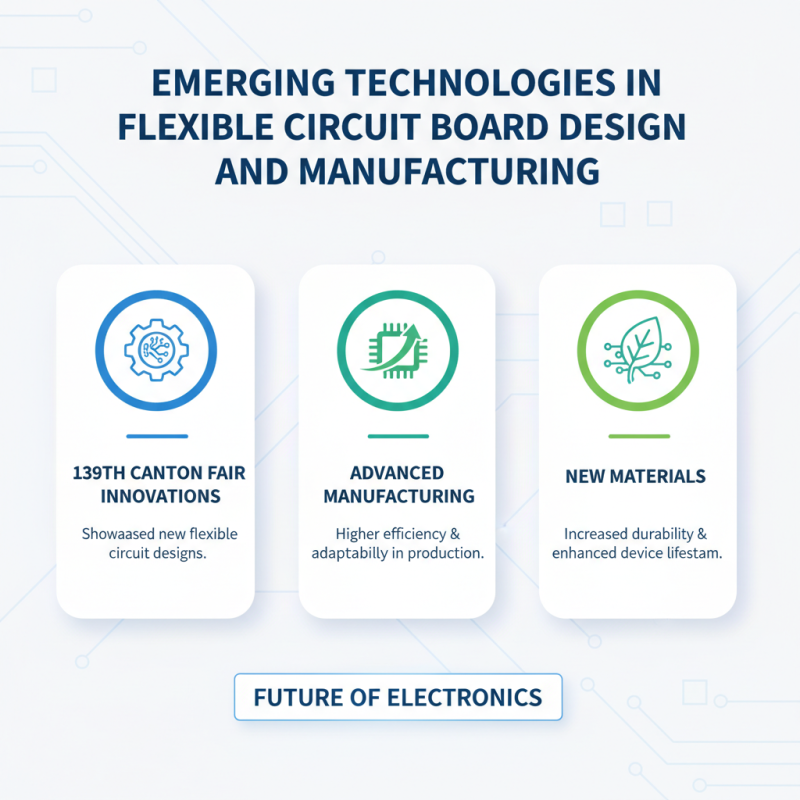
Emerging Technologies in Flexible Circuit Board Design and Manufacturing
The 139th Canton Fair showcased impressive innovations in flexible circuit board design. Emerging technologies are shaping how these boards are manufactured. These advancements promise higher efficiency and adaptability. Manufacturers are experimenting with new materials that increase durability. Such changes could enhance the lifespan of electronic devices.
At the fair, a variety of flexible circuit prototypes were displayed. Some designs featured intricate patterns, enabling complex functionalities. This sparked debates about ease of production versus design complexity. There were concerns about scalability and cost-effectiveness. The balance between innovation and practical application remains a critical issue.
The future of flexible circuit boards looks promising, yet challenges exist. Quality control and consistency are paramount. Faulty designs can lead to product failures. It’s crucial for designers to critically evaluate their processes. Continuous improvement is essential in this evolving field. The journey of innovation is not without its bumps.
Market Trends: Growth Rates in the Flexible PCB Industry for 2023
The flexible PCB industry is experiencing remarkable growth in 2023. Recent reports indicate a surge in demand driven by advancements in technology. Industries such as consumer electronics, automotive, and medical devices are major contributors. Flexibility and lightweight designs suit many modern applications. This adaptability positions flexible circuit boards as essential components.
While the growth is impressive, challenges remain. Manufacturing complexities can lead to inconsistencies in quality. Many companies face dilemmas during the design process. Cost pressures often push for compromises that can affect functionality. The balance between innovation and reliability is crucial. Companies must strive for improvements in these areas.
Market trends show an increasing interest in eco-friendly materials. Industries are exploring sustainable alternatives to traditional copper-based circuits. This shift reflects a broader commitment to environmental responsibility. However, developing these materials is challenging. Research is ongoing, and true breakthroughs will take time. Investing in innovations is key to overcoming these hurdles.
Sustainability Practices in the Production of Flexible Circuit Boards
The 139th Canton Fair showcased remarkable innovations in flexible circuit boards, particularly in the realm of sustainability. The demand for eco-friendly manufacturing practices is rising. According to a recent industry report, about 72% of consumers prefer products made with sustainable methods. This trend influences manufacturers to adopt greener processes.
Many flexible circuit board manufacturers are shifting to environmentally friendly materials. Biodegradable substrates are becoming more common. In addition, reducing hazardous waste during production is becoming imperative. The goal is to minimize environmental impact while maintaining high-quality standards. Reports indicate that sustainable production can reduce energy consumption by up to 40%.
Despite these advancements, challenges remain. Some manufacturers still rely on conventional methods, which can produce harmful emissions. Furthermore, the cost of sustainable materials is often higher. This can create tensions between pricing and environmental integrity. Balancing these factors requires ongoing industry dialogue and innovation. The path to sustainability is complex but necessary for the future.
Top Flexible Circuit Board Innovations at the 139th Canton Fair
This chart illustrates the advancements in sustainability practices in the production of flexible circuit boards showcased at the 139th Canton Fair. The data reflects the percentage of exhibitors emphasizing various green technologies in their manufacturing processes.
Impact of 5G and IoT on Flexible Circuit Board Innovations at Canton Fair
The rise of 5G and IoT technology is transforming industries, and flexible circuit boards are at the forefront of these innovations. At the 139th Canton Fair, several displays highlighted how flexible circuits can adapt to new demands. These circuits offer unique designs and the ability to fit into compact spaces. This flexibility is crucial as devices become smaller and smarter.
5G requires more efficient communication, and flexible circuit boards can meet that need. They support faster data transmission and are lightweight, making them ideal for mobile devices. However, many products still struggle with heat dissipation. This challenge needs addressing as overheating undermines performance.
IoT devices rely heavily on these circuits for seamless connectivity. They enable various applications, from smart home devices to health monitoring systems. But there are limitations; some designs still fall short in durability. Innovations at fairs like Canton bring attention to these issues. They push for improvements while spotlighting existing technology. Flexible circuits hold great promise but must evolve to fully meet future expectations.
Top Flexible Circuit Board Innovations at the 139th Canton Fair
| Innovation Type | Key Features | Applications | Impact of 5G | Impact of IoT |
|---|---|---|---|---|
| Flexible Hybrid Electronics (FHE) | Integration of flexible circuits with sensors and components | Wearables, medical devices | Enhanced connectivity and data transfer speeds | Enables smarter devices with real-time data-processing |
| Printable Electronics | Low-cost, scalable manufacturing process | Smart packaging, flexible displays | Facilitates deployment of connected devices | Paves the way for low-cost, IoT-enabled products |
| High-Density Interconnect (HDI) | Compact design with increased routing density | Telecommunications, automotive | Supports advanced 5G technologies | Enhances connectivity in smart city infrastructure |
| Eco-Friendly Materials | Biodegradable substrates, reduced environmental impact | Consumer electronics, sustainable applications | Aligns with sustainable development goals | Promotes green IoT solutions |
| 3D Flexible Circuits | Allows intricate shapes and forms | Aerospace, robotics | Supports compact designs for 5G devices | Enhances multi-functional IoT devices |
Related Posts
-
Understanding the Importance of Flexible Printed Circuits in Modern Electronics
-
10 Best Flexible Circuit Boards for Innovative Electronics?
-

How to Choose the Right Flex PCB Board for Your Project Needs
-
10 Best Flex PCB Boards You Should Consider for Your Next Project?
-
2026 How to Use Flexible Printed Circuit in Modern Electronics?
-
How to Design and Fabricate a Flex Circuit Board?