Top Mechanical Flange ODM Solutions for Global Buyers?
The demand for Mechanical Flange Odm solutions has surged globally. A recent report by MarketsandMarkets states that the mechanical components market is expected to reach $23 billion by 2025, showing a CAGR of 4.5%. This growth is driven by the increasing need for customized solutions across various industries. Mechanical flanges play a crucial role in ensuring seamless connections in piping systems, which are vital for industries like oil and gas, manufacturing, and construction.
In this rapidly evolving market, selecting the right ODM partner is essential. Many suppliers boast advanced technology and expertise, but not all can deliver reliability and quality. A study conducted by IBISWorld noted that around 30% of manufacturers face challenges in sourcing quality components. This reinforces the need for buyers to conduct thorough evaluations of potential ODM partners. Despite the availability of numerous options, finding a trustworthy Mechanical Flange ODM provider can be complex due to varying standards and certifications.
Ultimately, global buyers must assess potential partners based on experience and industry standing. Collaboration can lead to innovative solutions and improved performance. However, buyers must remain vigilant, recognizing that not all suppliers are equipped to meet specialized requirements. The journey to optimal Mechanical Flange ODM solutions requires discerning choices and informed decision-making.
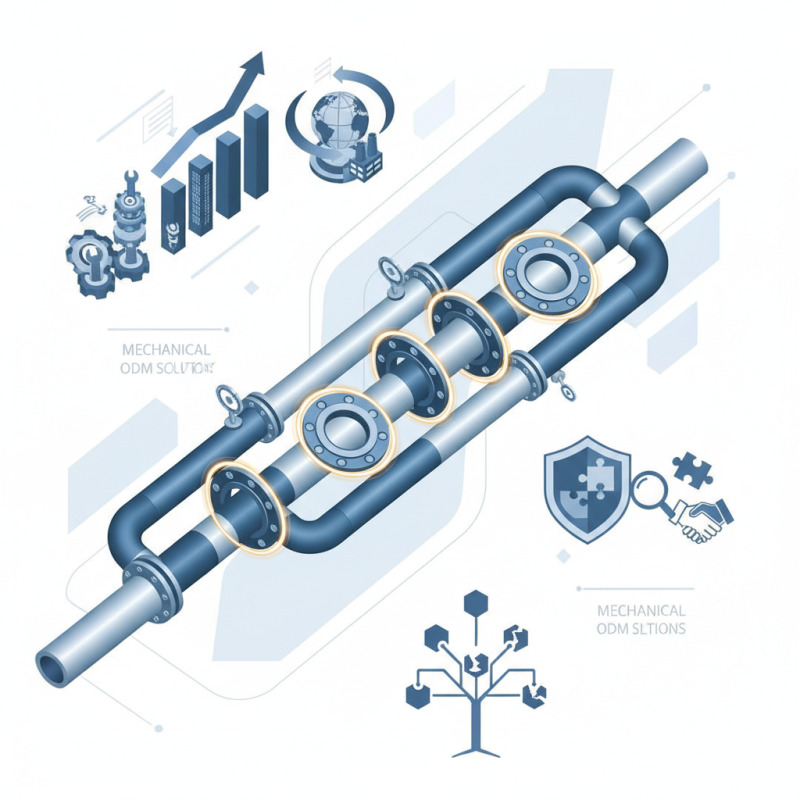
Understanding Mechanical Flanges: An Overview for Global Buyers
Mechanical flanges play a crucial role in connecting pipes, valves, and equipment. They ensure leak-proof seals and high-pressure integrity. Understanding the types and specifications will help global buyers make informed choices.
When selecting flanges, consider the material. Steel, plastic, and alloy choices each have unique properties. The application dictates the best choice. For instance, corrosive environments may require stainless steel. However, mismatched materials can lead to failures.
**Tip:** Always verify compatibility with existing systems. Testing components in real-world conditions can highlight potential issues.
Additionally, specifications like size and pressure ratings are vital. A mismatch can cause serious operational problems. Understand industry standards and check for certifications. Not all suppliers will offer the same level of assurance.
**Tip:** Reach out to multiple sources for quotes and information. Diverse opinions can illuminate blind spots in your selection process.
Key Characteristics of High-Quality ODM Mechanical Flanges
In the realm of mechanical flanges, the quality of Original Design Manufacturer (ODM) solutions is paramount. High-quality ODM mechanical flanges exhibit specific characteristics that ensure reliability and performance. According to a recent industry report by MarketsandMarkets, the global demand for flanges is projected to grow at a rate of 4.2% annually. This growth emphasizes the need for consistent quality in flange manufacturing.
A critical factor in assessing ODM flanges is the material used. High-quality flanges typically utilize stainless steel or high-grade alloy materials, ensuring excellent corrosion resistance and durability. Moreover, precision engineering techniques are vital—they can significantly reduce the likelihood of leaks or failures. Reports indicate that up to 30% of flange failures stem from poor machining processes. Therefore, buyers must remain vigilant about these characteristics when selecting their ODM partner.
Another essential aspect is the adherence to industry standards. Flanges must comply with specifications such as ASTM and ASME to guarantee safety and functionality. However, not all manufacturers strictly follow these guidelines. It’s essential for buyers to conduct audits or rely on third-party certifications to ensure reliability. This layer of scrutiny can help mitigate risks associated with subpar products, which often emerge from less scrupulous manufacturers. Quality assurance is not just a checkmark; it is a necessity for long-term success.
Criteria for Selecting a Reliable ODM Partner in Flange Manufacturing
Selecting the right ODM partner for flange manufacturing involves assessing key criteria that ensure quality and reliability. Experience in the industry plays a vital role. A manufacturer with years of expertise can provide insights into material selection and the latest production techniques. When reviewing potential partners, ask about their project history and client references. This information can help gauge their reliability and professionalism.
Additionally, communication is crucial. A good ODM partner should be open to feedback and demonstrate flexibility in meeting specific needs. Look for companies that have responsive customer service. This can prevent misunderstandings later in the project. Pay attention to their production capabilities as well. A partner with advanced machinery can produce intricate designs more efficiently.
It’s also important to consider certifications and quality control measures. Verify if the partner follows international standards in flange manufacturing. Not all manufacturers can guarantee stringent quality checks. Ensuring that your partner prioritizes these aspects will save you from future complications. Reflect on how these factors align with your project goals. This thought process can reveal deeper insights into potential challenges.
Top Mechanical Flange ODM Solutions for Global Buyers
| Criteria | Importance Level | Example Metrics | Assessment Method |
| Manufacturing Capabilities | High | Production Capacity, Technology Used | Factory Visits, Certifications |
| Quality Control Standards | High | ISO Certification, Inspection Protocols | Quality Audits, Sample Testing |
| Financial Stability | Medium | Annual Reports, Credit Ratings | Financial Analysis |
| Customer Support | Medium | Response Time, After-sale Services | Surveys, Customer Feedback |
| Geographical Reach | Low | International Presence, Shipping Capabilities | Market Research |
Innovative Technologies in Mechanical Flange Production
The production of mechanical flanges has evolved significantly due to innovative technologies. Current methods focus on precision manufacturing techniques such as CNC machining and automated welding. According to a recent industry report, businesses utilizing these technologies report a 30% increase in efficiency. This boost is critical for meeting global demand.
Another key advancement is the adoption of high-strength materials. Steel alloys and composite materials are widely used to enhance durability and reduce weight in flange designs. The market for these materials is expected to grow at a compound annual growth rate (CAGR) of 5.2% through 2025. This shift not only improves product performance but also drives sustainability efforts.
Despite these advancements, challenges remain. Many manufacturers still face difficulties in quality control and consistency. A survey indicated that over 15% of flanges produced do not meet industry standards. Addressing these issues is crucial for maintaining reliability in the market. The need for continuous improvement highlights the importance of innovative solutions in mechanical flange production.
Top Mechanical Flange ODM Solutions for Global Buyers
Top Trends Shaping the Mechanical Flange Industry Globally
The mechanical flange industry is undergoing rapid transformation. Key trends are shaping market dynamics. A report by MarketsandMarkets shows that the global mechanical flange market is projected to reach $6.23 billion by 2024, growing at a CAGR of 4.8%. This growth is driven by rising demand in oil and gas, marine, and construction sectors.
Technological advancements are a primary influence. Smart flanges equipped with sensors are emerging. These smart components enhance safety and performance. They allow for real-time monitoring, making systems more efficient. However, the integration of new technology often presents challenges. Many companies struggle with the costs of upgrading existing systems.
Sustainability is another critical focus. The push for eco-friendly designs is growing. Companies are assessing materials and production methods. A McKinsey report highlights that 49% of manufacturers are committed to sustainability initiatives. Yet, the transition to greener practices can be slow. Balancing cost-effectiveness with environmental impact remains a conundrum for many. The need for innovation is clear, but the path isn't always straightforward.