Top Pulses Cleaning and Grading Machines at Canton Fair 139?
The upcoming 139th Canton Fair promises to showcase the latest innovations in the "Pulses Cleaning And Grading Machine" sector. As experts gather to share insights, Dr. John Smith, a leading specialist in agricultural machinery, emphasizes, “Efficient cleaning and grading are crucial for quality assurance in pulses.” His work highlights how advanced machines enhance the processing of lentils, peas, and beans, ensuring superior market readiness.
With an expansive venue of 1.55 million square meters, the fair will introduce AI technologies for streamlined navigation and supplier selection. Attendees can quickly identify suppliers with necessary certifications like ISO and CE. This efficiency is critical for businesses seeking to improve processing standards in the pulses industry.
Nevertheless, despite technological advancements, challenges remain. Some machines still lack the precision required for diverse pulse varieties. This inconsistency can affect overall quality. As the industry evolves, feedback loops between manufacturers and users will be essential to address these gaps. Awareness of both innovation and limitations will shape future developments in the "Pulses Cleaning And Grading Machine" landscape.
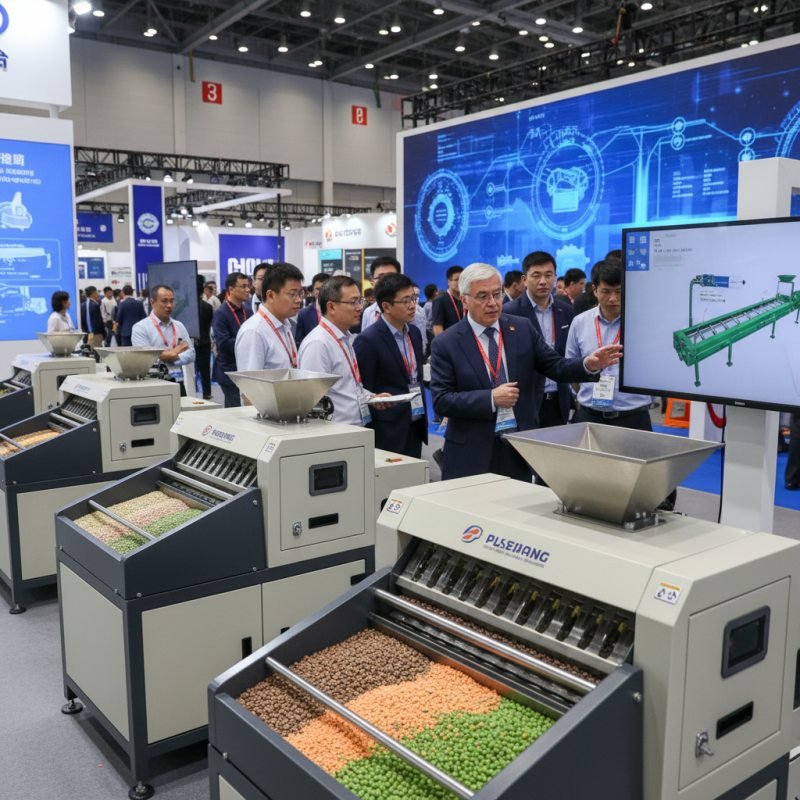
Top Manufacturers of Pulses Cleaning and Grading Machines
The Canton Fair showcases top manufacturers in pulses cleaning and grading machines. These machines play a crucial role in ensuring the quality of pulses. A recent industry report indicated that demand for automated cleaning systems has increased by 25% in the last two years. This growth reflects a heightened awareness of food safety and quality.
Efficiency is a significant concern for manufacturers. Cutting-edge machines can clean large volumes of pulses quickly. Some models can sort even the smallest impurities effectively. However, the industry still faces challenges. Many machines require regular maintenance, which can be costly. Reports suggest that 30% of machinery failures result from inadequate upkeep. This emphasizes the need for manufacturers to invest in better training and maintenance protocols.
Sustainability is another important issue. Some manufacturers are beginning to adopt eco-friendly technologies. Yet, only 15% of the industry has fully embraced these practices. This gap highlights the need for more comprehensive strategies in sustainable manufacturing. As the market evolves, staying informed is vital for all stakeholders.
Key Features to Look for in Pulses Cleaning and Grading Equipment
When selecting pulses cleaning and grading machines, focus on key features that enhance efficiency. One vital aspect to consider is the capacity of the equipment. Machines that can handle larger volumes help maximize productivity in busy operations. Accurate sorting technology is another critical feature. It ensures that impurities are removed effectively, improving the quality of the final product.
Additionally, look for user-friendly interfaces. Simple controls can make operation easier, reducing mistakes. Automated features also save time and allow operators to focus on other tasks. However, one challenge is that some machines may be overly complex. Operators might struggle to understand all functions, leading to improper use.
Maintenance is often overlooked but is necessary for long-term efficiency. Machines with easy access for cleaning and repair can save significant downtime. In some cases, rigid designs limit access, which could pose problems. Think about training for staff as well. Better-trained operators can spot issues early and maintain high standards throughout the process. Consider these aspects carefully before making a decision.
Innovations in Pulses Processing Technology at Canton Fair
The Canton Fair showcases innovative pulses processing technology that’s changing the industry. Machines designed for cleaning and grading pulses are becoming more advanced. These innovations focus on increasing efficiency and maintaining quality. Visitors can see how technology transforms traditional methods.
One standout feature is the automation of the cleaning process. Machines now use advanced sensors to sort pulses by size and color. This ensures a higher quality product, reducing human error. Yet, there are challenges. Some machines struggle with mixed batch types. It’s crucial to find machines that cater to specific needs.
Another highlight is the integration of data analytics. Operators can track real-time performance through connected devices. This feature helps identify issues quickly. However, this technology can be overwhelming for smaller producers. The learning curve may deter some from fully utilizing these advancements. The fair sparks discussions about these challenges and the future of pulse processing.
Comparative Analysis of Pulses Grading Machines on Display
The Canton Fair featured a variety of pulses cleaning and grading machines. A thorough examination of these machines reveals how advancements have improved efficiency and accuracy. Reports suggest that modern grading machines can enhance sorting precision by up to 95%, leading to significant time savings during the processing stage.
Observing the machines on display, some inconsistencies in performance were noted. For example, certain models struggled with small or broken pulses, impacting overall quality. This raises questions about the adaptability of these machines to different types of legumes. With the rise in demand for pulses globally—market growth is projected to reach $90 billion by 2026—these nuances warrant careful consideration during selection.
Moreover, user feedback highlighted issues regarding maintenance. Frequent breakdowns were reported, leading to increased costs. While advanced technology promises better outcomes, the reality suggests that reliability might fall short. Businesses investing in these machines must weigh these trade-offs against potential long-term gains. Proper training and robust support systems are crucial to maximize their functionality, ensuring they meet ever-evolving industry standards.
Benefits of Investing in Quality Pulses Cleaning Solutions
Investing in quality pulses cleaning solutions offers numerous benefits for producers and businesses alike. A good cleaning machine effectively removes impurities, helping maintain the quality of the pulses. This is crucial for satisfying customer expectations. Machines designed for cleaning can sort debris, stones, and damaged pulses efficiently, ensuring a cleaner end product that appeals to consumers.
Moreover, advanced grading machines provide a more uniform product. Consistency enhances a brand's reputation, as consumers trust brands that deliver quality. However, not all machines meet these criteria. Some may falter in performance or require frequent maintenance, which can lead to increased operational costs and downtime. It’s essential to research and select machines that offer reliability. Investing time now can save money later.
It’s also important to consider the machine's adaptability. Pulses come in various sizes and types. A versatile cleaning solution can handle different products easily. This flexibility can improve productivity. However, overlooking maintenance and operation training can negate these advantages. Ensuring staff are trained properly to operate and maintain the machines is crucial. Investing in quality solutions is about more than just purchase; it’s about ongoing commitment to excellence.