Top 10 Solar Branch Connectors for 2026 Canton Fair Trends?
As the world shifts toward sustainable energy, the importance of reliable Solar Branch Connectors grows. Experts like Dr. Emily Carter, an industry leader in solar technology, state, "The right connector ensures system efficiency and longevity." This highlights the necessity of selecting quality connectors for optimal solar performance.
The 2026 Canton Fair, one of the largest trade expos, will showcase top innovations in solar technology. Attendees can expect to discover advanced Solar Branch Connectors designed for efficiency and durability. These connectors must meet international standards, ensuring safety and reliability in energy systems.
With the fair's introduction of AI-driven features, finding suitable suppliers will be straightforward. However, challenges remain. Not all products meet high standards, and buyers must remain vigilant. The Solar Branch Connector market demands scrutiny to identify the best solutions. The journey toward sustainable energy is ongoing, and quality connectors will play a crucial role.
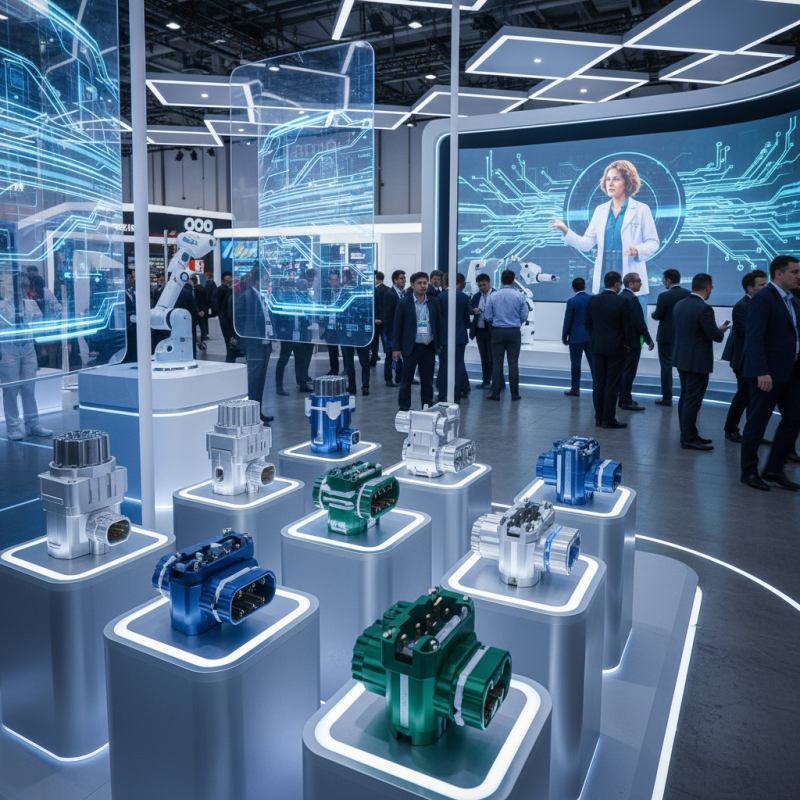
Overview of Solar Branch Connectors in the Renewable Energy Market
Solar branch connectors play a crucial role in the renewable energy market, especially in solar energy systems. They ensure the reliable connection of multiple photovoltaic (PV) panels in arrays. As solar technology evolves, so do these connectors. They must withstand various environmental conditions. These include humidity, temperature changes, and exposure to UV radiation. Understanding how they perform is essential for long-term efficiency.
When considering solar branch connectors, quality matters. Look for durable materials that provide weather resistance. Some connectors can be prone to failure under stress. Testing connectors before installation is a good idea. Ensure they can handle potential power surges. Regular inspection can prevent future headaches.
Tips for selecting the right connectors: always check the compatibility with your solar panels. If they don't fit well, connections can fail. Also, think about the installation process. Oversized or cumbersome connectors can cause delays. Simplicity helps in maintaining and troubleshooting systems. Small mistakes can lead to big issues down the line.
Key Features and Innovations to Look for in 2026 Solar Connectors
As the solar industry evolves, 2026 anticipates significant innovation in solar branch connectors. A key focus will be on durability and reliability. The International Renewable Energy Agency (IRENA) projects that global solar capacity will reach 4,800 GW by 2030. Such growth demands connectors that can withstand harsh conditions.
One vital feature to look for is improved material design. Connectors made from high-performance polymers are increasing in popularity. They offer enhanced resistance to UV radiation and oxidants. This is crucial for longevity and performance. According to a recent report by MarketsandMarkets, the global market for solar connectors is expected to grow by 18% annually through 2025. This surge will push manufacturers to innovate continuously.
Efficiency is another area of focus. Innovations like pre-wired connectors can reduce installation time considerably. However, there’s a challenge to ensure compatibility across various systems. This could lead to frustrating delays. As the demand for cleaner energy rises, so does the pressure to meet these needs effectively. These developments will shape the future landscape of solar technologies significantly.
Top 10 Brands and Manufacturers of Solar Branch Connectors
The solar industry is evolving rapidly. By 2026, solar branch connectors will play a crucial role in this transformation. These connectors ensure efficient energy flow from solar panels to inverters and electrical systems. Quality and reliability in these components are paramount.
Recent reports indicate that manufacturers focusing on innovative materials and designs are seeing improved performance. A study noted that connectors with better corrosion resistance can enhance system longevity. This insight is critical as longevity reduces replacement costs significantly. Additionally, improved thermal conductivity in materials is becoming a trend.
Tip: Always check the thermal performance of connectors before purchasing.
In terms of manufacturers, the trend leans towards companies that invest in research and development. They emphasize user-friendly designs and quick installation. Some industry reports suggest that easy-to-use connectors can increase installation efficiency by up to 30%. However, certain connectors may still have compatibility issues with different panel brands.
Tip: Ensure compatibility with your solar panel systems before making a decision.
As the 2026 Canton Fair approaches, the focus will be on advancements in connector technology. Manufacturers committed to sustainability are also gaining traction. However, not all innovations are flawless. Some products might still face reliability challenges under extreme weather conditions. Keeping informed about these trends will guide better purchasing decisions.
Top 10 Solar Branch Connectors for 2026 Canton Fair Trends
| Connector Type | Max Current Rating (A) | Voltage Rating (V) | Material | Weather Resistance | Weight (g) |
| MC4 | 30 | 1000 | PVC | IP67 | 25 |
| T4 | 40 | 1500 | PPS | IP68 | 35 |
| H4 | 68 | 1000 | PA | IP67 | 30 |
| S4 | 50 | 1500 | PBT | IP66 | 40 |
| Y Type | 20 | 1000 | EVA | IP65 | 20 |
| SP Connector | 30 | 1200 | TPE | IP67 | 28 |
| P2 Connector | 25 | 1000 | PA6 | IP68 | 26 |
| Connector B | 45 | 1500 | PC | IP66 | 32 |
| Flexible Connector | 20 | 1000 | Silicone | IP65 | 15 |
| Heavy Duty | 60 | 1500 | Nylon | IP68 | 50 |
Market Trends Shaping the Future of Solar Branch Connectors
The solar branch connector market is evolving rapidly. Data from the International Renewable Energy Agency (IRENA) indicates that solar energy capacity is projected to reach 4,800 GW by 2026. This growth drives demand for reliable connectors. Innovations in materials and designs are crucial. Manufacturers focus on enhancing resistance to environmental factors, which is vital for efficiency.
Market trends reveal that increasing automation in production is essential. Automation can improve consistency and lower costs. A report by MarketsandMarkets predicts a rise in demand for quick-connect solutions by 2025. These solutions facilitate faster installations, which is a key factor for many solar projects. However, not all products meet the highest standards yet. Some connectors face challenges in heat resistance or long-term durability.
Tips: Regular quality checks are critical. Verify connectors' certifications before purchasing. Always consider compliance with local regulations. Pay attention to user feedback on installation ease and longevity. The market is competitive, but not all players prioritize quality. Look for comprehensive data and industry reviews when making decisions.
Impact of Technology Advancements on Solar Connector Performance
The solar industry is rapidly evolving. Technology advancements are pivotal in enhancing solar connector performance. Recent industry reports indicate that the efficiency of solar connectors has improved by nearly 15% over the past five years. This is largely due to innovations in materials and designs. Stronger, more durable connectors can now withstand harsh environmental conditions.
New testing standards have emerged. These ensure that connectors can handle high temperatures and increased exposure to UV light. A study from a leading research firm highlighted that better connectors could reduce energy losses by up to 7%. However, some manufacturers struggle to keep up. Quality inconsistencies can lead to installation failures, impacting overall system performance.
Moreover, the push towards automation in production is noticeable. Automated processes can enhance precision but require investment in new technology. Many smaller businesses find it challenging to adapt. There's an ongoing debate about balancing innovation with reliability. As the market for solar technologies expands, so does competition. This pace of change creates opportunities but may also invite questions about long-term performance and dependability in the field.