Top Temperature Sensor Trends in 2026 What to Buy?
In the rapidly evolving landscape of technology, Temperature Sensors are crucial for numerous applications, from industrial automation to healthcare. A recent report by MarketsandMarkets predicts the temperature sensor market will reach $7.42 billion by 2026. This growth underscores the demand for accurate and reliable temperature measurement solutions. As we look ahead, understanding the trends in this sector becomes essential for businesses and consumers alike.
Dr. Emily Thornton, a leading expert in sensor technology, emphasizes, "Investing in advanced temperature sensors can significantly enhance operational efficiency." Her insights highlight the importance of precision in temperature monitoring. As industries adopt smart technologies, the integration of IoT with temperature sensors is expected to surge. This fusion enhances data accuracy and predictive maintenance.
However, not all sensors are created equal. Businesses must consider factors like sensor type, calibration, and environmental compatibility. Awareness of these nuances can lead to better investment decisions. The growing trend of digitalization brings its own challenges, calling for thorough evaluations. Embracing advanced temperature sensors may require rethink strategies for implementation. Stay informed and ready to adapt as we navigate the future of this vital industry.
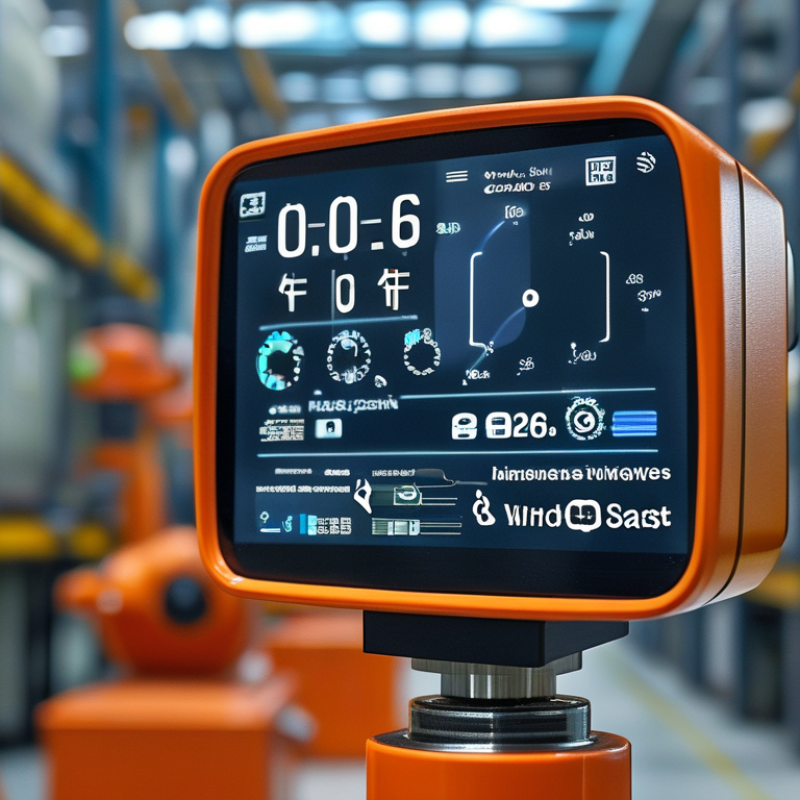
Top Temperature Sensor Technologies Dominating the Market in 2026
As we approach 2026, temperature sensor technologies play a crucial role in various sectors. These devices evolve constantly, incorporating advanced features and functionalities. Infrared sensors are gaining traction for their non-contact measurements, benefitting industrial applications. They allow for quick data collection without affecting surrounding environments. This is vital in manufacturing and healthcare sectors.
Thermocouples continue to dominate due to their robustness and versatility. They operate over a wide temperature range and are cost-effective. These sensors are often used in extreme conditions, making them invaluable in industries like aerospace and energy. However, users need to be aware of the calibration challenges associated with thermocouples. Accuracy can drift over time, requiring regular checks.
Another emerging technology is digital temperature sensors. Their precision and ease of integration into IoT systems enhance real-time monitoring capabilities. These sensors capture data efficiently, streamlining operations. Yet, they can be vulnerable to cybersecurity threats. Companies must prioritize security measures when implementing these technologies. Balancing innovation with security and reliability is key for organizations looking to invest in temperature sensors in 2026.
Key Features to Look For When Purchasing Temperature Sensors
When purchasing temperature sensors in 2026, several key features are essential for making the right choice. Accuracy is paramount. Seek sensors with high precision ratings, ideally within ±0.1°C. According to a recent report by Research and Markets, the demand for accurate sensors is projected to increase by over 15% yearly. This statistic highlights the importance of reliability in temperature monitoring across industries.
Connectivity options are another crucial aspect. Wireless technologies such as Bluetooth and Wi-Fi are becoming standard. Incorporating these can provide ease of access and real-time monitoring. However, ensure that the connectivity range aligns with your needs. Some sensors might not have the range required for larger facilities.
**Tips:** Consider durability, especially for sensors used in harsh environments. Look for materials that withstand extreme temperatures. Lastly, always check user reviews. Feedback can reveal performance issues that go unnoticed in datasheets. Remember, while advanced features are attractive, they should not come at the expense of user-friendly designs.
Top Temperature Sensor Trends in 2026: What to Buy? - Key Features to Look For When Purchasing Temperature Sensors
| Feature | Description | Importance | Expected Pricing (USD) |
| Accuracy | The degree to which the sensor's reading matches the actual temperature. | Critical for precise measurements in scientific and industrial applications. | $50 - $300 |
| Response Time | The time taken by the sensor to provide a stable reading after a temperature change. | Essential for dynamic processes where temperature can change rapidly. | $30 - $200 |
| Temperature Range | The range of temperatures over which the sensor operates effectively. | Important for applications in extreme environments. | $40 - $250 |
| Calibration | The process of adjusting the sensor for accurate readings. | Necessary for maintaining measurement accuracy over time. | $20 - $100 |
| Connectivity | The ability to connect to other devices or networks. | Facilitates data logging and remote monitoring. | $25 - $150 |
Market Share Analysis of Temperature Sensor Types in 2026
As the temperature sensor market evolves, various types are gaining prominence. By 2026, thermocouples and thermistors continue to dominate due to their versatility and affordability. Their ability to measure a wide temperature range makes them indispensable in various industries. Increased demand for accurate data drives innovation in sensor technology.
In contrast, digital temperature sensors are witnessing a surge in popularity. Their ability to provide precise readings and easy integration with IoT systems attracts many businesses. However, a challenge remains in balancing cost versus performance for new adopters. The need for reliable data persists, leading some industries to hesitate in full-scale adoption.
Furthermore, infrared sensors are becoming essential for non-contact measurements. This type is favored in food processing and medical applications. Yet, users must consider calibration and environmental factors. These considerations can impact accuracy. The market is shifting, and understanding these trends is crucial for informed purchasing decisions.
Predicted Growth Rates for Temperature Sensors Across Various Industries
The temperature sensor market is experiencing remarkable growth, fueled by advancements in technology and increased applications across various industries. According to a recent market research report, the global temperature sensor market is expected to grow at a compound annual growth rate (CAGR) of 6.5% from 2021 to 2026. This growth can be attributed to the rising demand for temperature monitoring in the healthcare, food safety, and manufacturing sectors.
In healthcare, temperature sensors are crucial for monitoring patient conditions. The rise in telemedicine has further increased the need for efficient, accurate sensing devices. A study predicts that the healthcare segment alone will witness a CAGR of approximately 7.8% by 2026. In the food industry, maintaining proper temperature is essential for safety. The food safety segment is projected to grow at a CAGR of 6.2%. In manufacturing, temperature sensors enhance process efficiency, driving growth in industrial applications.
This industry trend reflects the importance of reliable data collection and real-time monitoring. However, challenges remain. The integration of advanced sensors with existing systems can be complex. Ensuring data accuracy, especially in critical applications, is more vital than ever. As technology evolves, the demand for innovative and rugged temperature sensors will only increase. Investing in understanding these trends can lead to better purchasing decisions in 2026.
Top Temperature Sensor Trends in 2026
This chart shows the predicted growth rates for temperature sensors across various industries in 2026. Each industry's growth rate indicates how temperature sensors are expected to evolve as they find more applications in different sectors.
Environmental Impact and Sustainability Trends in Temperature Sensor Development
As we move towards 2026, the environmental impact of temperature sensor development is coming into sharper focus. Manufacturers are increasingly aware of their role in fostering sustainability. Many companies are shifting towards eco-friendly materials. This approach reduces carbon footprints and enhances the recyclability of sensors. For instance, using biodegradable plastic or recycled metals ensures that these devices do not contribute to environmental degradation.
The push for energy-efficient designs is also noteworthy. Sensors that consume less power help minimize energy waste. Many engineers are collaborating with environmental scientists to create devices that align with global sustainability goals. However, challenges remain. The trade-off between performance and environmental friendliness often complicates design decisions. Striking a balance can lead to innovative yet imperfect solutions, requiring ongoing reflection in development processes.
Consumer awareness is rising as well. Buyers are now more inclined to choose products that reflect their values. Sensors that prioritize environmental impact and sustainability trends may gain popularity. This shift could prompt a reevaluation of current production methods. The industry's future will likely depend on the ability to meet these evolving consumer demands while considering broader ecological consequences.