Top Door and Window Alarm Trends at the 139th Canton Fair?
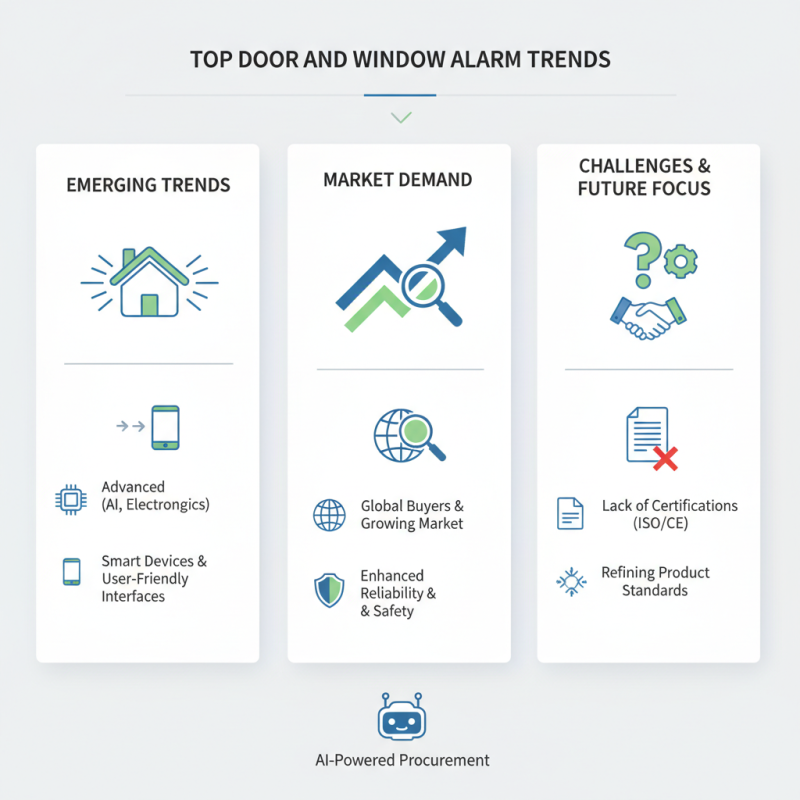
The 139th Canton Fair is set to showcase emerging trends in various industries, highlighting innovations in products such as Door And Window Alarms. These alarms are becoming essential for home security, drawing attention from global buyers.
This year's fair will feature advanced technologies in manufacturing and electronics. Companies are focusing on smart devices that enhance security. Door and Window Alarm systems are evolving, offering better reliability and user-friendly interfaces. They ensure safety, appealing to a growing market demand.
However, despite these positive trends, challenges remain. Some products may lack the required certifications like ISO or CE. Buyers must carefully evaluate the quality and features of these alarms. As the industry evolves, refining product standards will become crucial. The fair aims to bridge these gaps, using AI to help procure the best solutions in Door and Window Alarms.
Emerging Technologies in Door and Window Alarms at Canton Fair
At the 139th Canton Fair, door and window alarm technology took center stage. Emerging technologies are reshaping how we think about security. Many exhibitors showcased innovative designs that blend technology with user-friendliness. Smart alarms now connect seamlessly with mobile devices. They provide real-time alerts, making it easier for users to monitor their homes.
Wireless systems are gaining popularity. In the past, wired systems were the norm. Today, many consumers prefer the flexibility of wireless options. These devices are easy to install, reducing installation costs significantly. Battery life is also improving. Some systems boast several years of use without the need for replacement. However, this means users must remember maintenance schedules.
Tips to enhance security at your home include regularly updating alarm software.
Outdated software can lead to vulnerabilities. It's also wise to test alarms monthly. This ensures they function properly at all times. Remember to keep user manuals accessible for troubleshooting. All these factors combine to enhance safety and provide peace of mind.
Innovative Designs Showcased for Enhanced Home Security Systems
At the 139th Canton Fair, innovative designs in door and window alarms captivated attendees. Manufacturers displayed cutting-edge technology aimed at enhancing home security. These designs feature sleek aesthetics and practical functionality. Some alarms are now smaller and more discreet, blending seamlessly with modern interiors. Bright LED indicators signal alerts while minimizing noise disruption.
One notable trend is the integration of smart technology. Alarms now sync with smartphones, enhancing user control. Homeowners can receive real-time notifications when doors or windows are breached. This connectivity promises peace of mind but raises privacy concerns. Not everyone trusts cloud-based systems. There’s a balance between convenience and security that still needs exploration.
Another interesting aspect is user-friendly interfaces. Many devices now come with simple apps. The aim is to make setup easier for everyone. Some users, however, feel overwhelmed by technology. Not all homeowners are tech-savvy. There’s a clear need for designs that prioritize accessibility and ease of use. Future innovations must address these challenges.
Top Door and Window Alarm Trends at the 139th Canton Fair
| Trend | Description | Key Features | Target Market | Potential Impact |
| Smart Integration | Alarms integrated with smart home systems for remote monitoring. | IoT enabled, smartphone alerts, voice control. | Tech-savvy homeowners. | Improved security management. |
| Increased User Customization | Customizable alerts and settings for users. | User-friendly app, personalized notifications, adjustable sensitivity. | Families and individuals looking for personalized solutions. | Increased user satisfaction and engagement. |
| Eco-friendly Materials | Use of sustainable materials in alarm systems. | Recycled materials, energy-efficient designs. | Environmentally conscious consumers. | Positive environmental impact and brand loyalty. |
| Multi-functional Devices | Devices that combine alarms with other home functions. | Smoke detection, camera integration, siren features. | Homeowners seeking comprehensive safety solutions. | Enhanced home security options. |
| AI-based Monitoring Systems | Utilization of AI for better detection and threat analysis. | Real-time analytics, predictive alerts, enhanced accuracy. | Security-conscious homeowners and businesses. | Higher levels of security and reduced false alarms. |
Market Trends Driving Demand for Smart Alarm Solutions
The demand for smart alarm solutions is rising rapidly. Recent reports indicate that the global smart alarm system market is projected to reach $21 billion by 2026. This growth is driven by increasing concerns over home security and safety. More consumers are seeking effective solutions for their properties.
Innovations in technology play a significant role. Enhanced connectivity features, like integration with mobile apps, are appealing to users. Additionally, the emergence of AI in alarm systems improves threat detection. More people are transitioning from traditional alarms to these smart options. They offer real-time monitoring and quick alerts.
Tip: Consider the installation location carefully. Some areas may require more sensors than others.
Another trend is eco-friendliness. Many consumers prefer energy-efficient devices. These alarm systems utilize less power without sacrificing performance. Reports show a 40% increase in eco-friendly product preferences among buyers.
Tip: Research energy consumption ratings before purchase. You may find significant savings over time.
While these trends paint a promising picture, challenges exist. Not all users feel comfortable with technology. Training may be necessary to maximize smart alarm effectiveness. Awareness campaigns could help bridge this gap in understanding.
Consumer Preferences in Door and Window Alarm Features
At the 139th Canton Fair, door and window alarms showcased evolving consumer preferences. Modern buyers value smart technology integration. According to a recent industry report, 77% of consumers prioritize ease of use in these systems. Intuitive apps and straightforward installation are key factors for many.
Sensor sensitivity is becoming another hot topic. Studies reveal that 65% of customers want adjustable sensitivity settings. This allows users to tailor the alarm response to their environment. Many feel frustrated when systems trigger false alarms. The desire for personalization drives demand for products that can adapt to individual needs.
Wireless connectivity remains popular. Around 80% of consumers find wireless systems more appealing. They appreciate the neat installation that eliminates messy wiring. However, the trade-off often includes battery life concerns. Consumers worry about systems failing due to dead batteries. Marketers need to address these limitations directly. This could help reinforce trust in new technologies.
Regulatory Considerations Impacting Door and Window Alarm Products
The door and window alarm market is seeing shifts, largely influenced by regulatory considerations. Recent reports show that compliance with international safety standards is becoming crucial. For instance, in Europe, the new directives mandate specific testing protocols for alarm products. Manufacturers must adapt quickly to these changes, or risk losing market share.
Data indicates that approximately 30% of consumers prioritize safety regulations when selecting security products. This trend emphasizes the importance of transparency in product features. Many companies are now focusing on certifications to boost consumer confidence. However, achieving compliance can be a lengthy and costly process, often leading to delays in product launches.
Furthermore, advancements in technology present both opportunities and challenges. While smart alarms offer enhanced security, regulatory bodies are cautious. Privacy concerns arise around data collection and user consent. Ensuring that products comply with evolving data protection laws is vital. Companies should anticipate these changes, as they can significantly impact product development and market acceptance.