Top 10 Waterproof O-Rings Trends at China Import Export Fair?
The China Import Export Fair, known for its innovation, is poised to showcase the latest trends in waterproof o-rings. Scheduled from April 15 to May 5, 2026, this fair promises to be a hub for advanced manufacturing and new materials. With a significant focus on quality home products and electronics, manufacturers are eager to present their waterproof o-rings within a dynamic marketplace.
waterproof o-rings have diverse applications, including automotive, plumbing, and electronics. Their demand continues to rise as industries seek reliable solutions for preventing leaks. The presence of AI-driven search and navigation technology at the fair will help buyers find suppliers that meet quality certifications like ISO and CE efficiently. This new feature potentially improves the overall experience, making it easier to navigate through the vast 1.55 million square meters of exhibition space.
However, challenges remain. The market is saturated, leading to intense competition among manufacturers. Some companies may overlook the importance of quality control in their pursuit of lower costs. As trends emerge, attendees must pay close attention to innovative designs and material choices in waterproof o-rings. A thoughtful examination of these developments will be essential for making informed sourcing decisions during the fair.
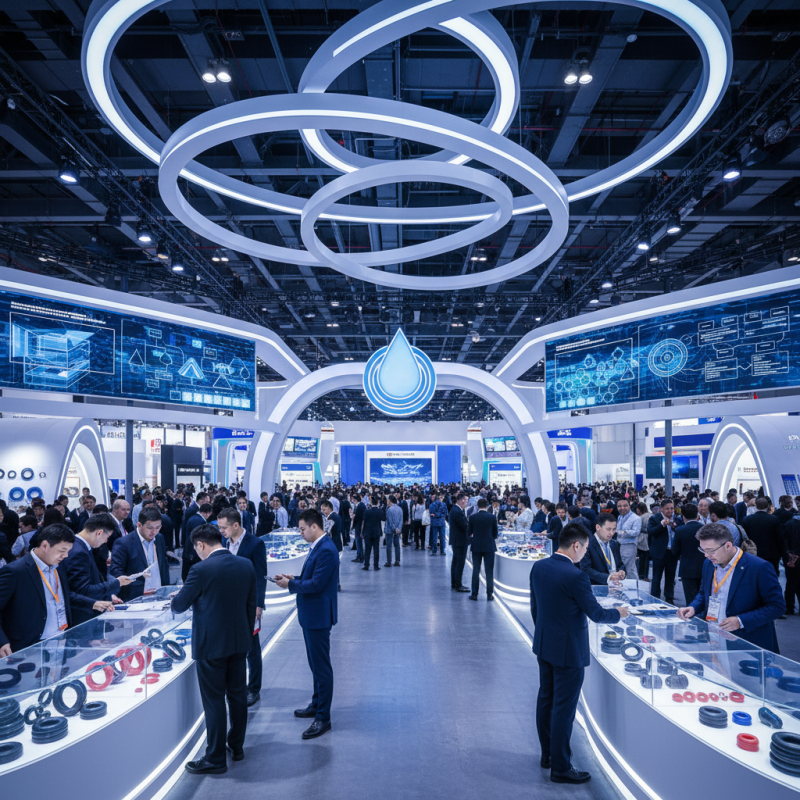
Top Trends in Material Innovations for Waterproof O-Rings in 2023
The waterproof O-ring market in 2023 is dynamic and evolving. Material innovations are becoming vital. Recent reports highlight a 30% increase in demand for eco-friendly materials. Manufacturers are shifting to sustainable options. This is a noteworthy trend as industries seek to reduce their environmental impact.
Fluoroelastomers and silicone are gaining popularity. These materials provide excellent resistance to chemicals and high temperatures. According to industry analytics, about 50% of users prefer these robust materials. However, challenges remain. The production process for certain new materials can be complicated. Some manufacturers struggle to maintain consistency in quality.
Additionally, feedback from companies indicates a lack of awareness about material benefits. Many still rely on traditional materials. This represents a significant gap in market knowledge. Increased education on innovative materials can drive change. The O-ring industry must navigate these concerns effectively to harness new opportunities.
Top 10 Waterproof O-Rings Trends at China Import Export Fair
| Trend | Material Innovation | Application | Environmental Impact |
| High-Performance Elastomers | Silicone and Fluorocarbon Blends | Aerospace and Automotive | Low VOC Emissions |
| Bio-Based Materials | Natural Rubber and Derived Polymers | Household Appliances | Sustainable Sourcing |
| Additive Manufacturing | 3D-Printed Thermoplastics | Custom Applications | Material Waste Reduction |
| Extreme Temperature Resilience | Silicone Rubber | Industrial Machinery | Extended Lifespan |
| Friction Reduction Techniques | PTFE Coatings | Hydraulic Systems | Improved Efficiency |
| Color-Coded O-Rings | Colored EPDM | Medical Equipment | Reduced Contamination Risk |
| Smart O-Rings | Embedded Sensors | IoT Applications | Real-Time Monitoring |
| UV Resistant Materials | Polyurethane Compounds | Outdoor Equipment | Longevity in Sunlight |
| Sealing Solutions for Electronics | Low Compression Set Materials | Consumer Electronics | Enhanced Device Protection |
| Enhanced Compression and Seal | HNBR and FKM Blends | Automotive Fuel Systems | Leak Prevention |
Market Demand Insights: Where Waterproof O-Rings Are Headed Next
The demand for waterproof O-rings is steadily increasing, especially in sectors like automotive and electronics. These industries require reliable sealing solutions to protect against moisture and contamination. The growing focus on durability is driving innovation in materials and designs. Manufacturers are experimenting with various polymers and composite materials to enhance performance.
However, challenges remain. Some manufacturers struggle with quality control. Variations in material properties can lead to failures in demanding applications. It’s crucial for businesses to prioritize rigorous testing and quality assurance processes. This approach ensures that products meet the required standards.
As sustainability becomes more important, the trend is shifting. There is a push towards using eco-friendly materials for O-rings. This transition may require investments in new technology and processes, which can be a barrier for some. The market shows promise, but it is essential to address these challenges for future growth.
Sustainability in Production: Eco-friendly O-Ring Manufacturing Trends
At the China Import Export Fair, eco-friendly manufacturing is gaining traction. Many companies are adopting sustainable practices to create waterproof O-rings. These products are essential for various industries, from automotive to plumbing. Eco-conscious consumers are looking for green alternatives. This trend boosts the importance of sustainability in production processes.
Manufacturers are exploring biodegradable materials. Recycled rubber is one example gaining popularity. It not only reduces waste but also offers durability. Companies need to innovate, yet some struggle to meet strict environmental regulations. It's essential to balance sustainability with cost-effectiveness.
Tips: Consider using materials that minimize environmental impact. Engage suppliers who prioritize sustainability. Regularly assess your production methods for eco-friendliness. Implementing small changes can lead to more substantial improvements. Every step towards greener production matters.
Technological Advancements in Waterproof O-Ring Testing Methods
Waterproof O-Rings are essential in many industries. The demand for reliable testing methods has grown. New advancements in testing technologies aim to enhance accuracy. However, improvements sometimes come with challenges.
Innovative techniques like ultrasonic testing are gaining popularity. They can detect even the tiniest flaws in O-Rings. This method is efficient but requires skilled technicians. Training is essential to maximize its effectiveness. Other methods, such as hydrostatic testing, have their own limitations. These might not be feasible for all applications.
As technologies evolve, the need for standardization rises. A unified testing procedure could benefit manufacturers. However, achieving this consensus is complex. Balancing efficiency with thoroughness is an ongoing debate. Companies must adapt quickly to these changes. The path forward involves continuous learning and improvement.
Global Supply Chain Dynamics Affecting O-Ring Exports at Trade Fairs
The global supply chain dynamics play a crucial role in the export of O-rings at trade fairs, especially in China. Recent trends indicate shifts in sourcing strategies among manufacturers. Many are now looking for suppliers who offer more flexibility and faster delivery. This change responds to the unpredictable demand from various industries. Shorter lead times have become a priority for buyers.
Furthermore, environmental concerns influence how manufacturers approach sourcing. Sustainable materials are often preferred. This growing emphasis on eco-friendly options reflects changing consumer preferences. Adapting to these trends is essential for success. However, the challenge lies in balancing cost and sustainability. Companies must navigate this complicated landscape carefully. Some still struggle with finding cost-effective, eco-friendly solutions in their production processes.
Market fluctuations add another layer of complexity. Trade regulations can impact pricing and availability. Exporters often face sudden changes that can affect their operations. Many question their ability to adapt quickly to these changes. Keeping up with these dynamics requires constant vigilance and innovation. The challenge is real, but so are the opportunities for those willing to evolve.