Top 10 Well Control Box Solutions for Global Buyers?
In the dynamic world of oil and gas, the role of a Well Control Box is paramount. These devices provide essential safety measures during drilling operations. They help prevent blowouts and manage unexpected pressure surges. With numerous options available, choosing the right Well Control Box can be challenging.
Global buyers must consider multiple factors. Quality, reliability, and technological advancements are crucial. Various options offer different features. Some focus on ease of use, while others emphasize durability and performance. Understanding each solution’s strengths and weaknesses requires careful assessment.
Selecting the perfect Well Control Box is not solely about metrics. It involves evaluating the specific needs of your operation. Buyers often feel overwhelmed by available choices. Making informed decisions demands thorough research. Industry expertise and innovation drive this market, but there is always room for improvement. Thus, identifying the top solutions can aid in operational success and safety assurance.
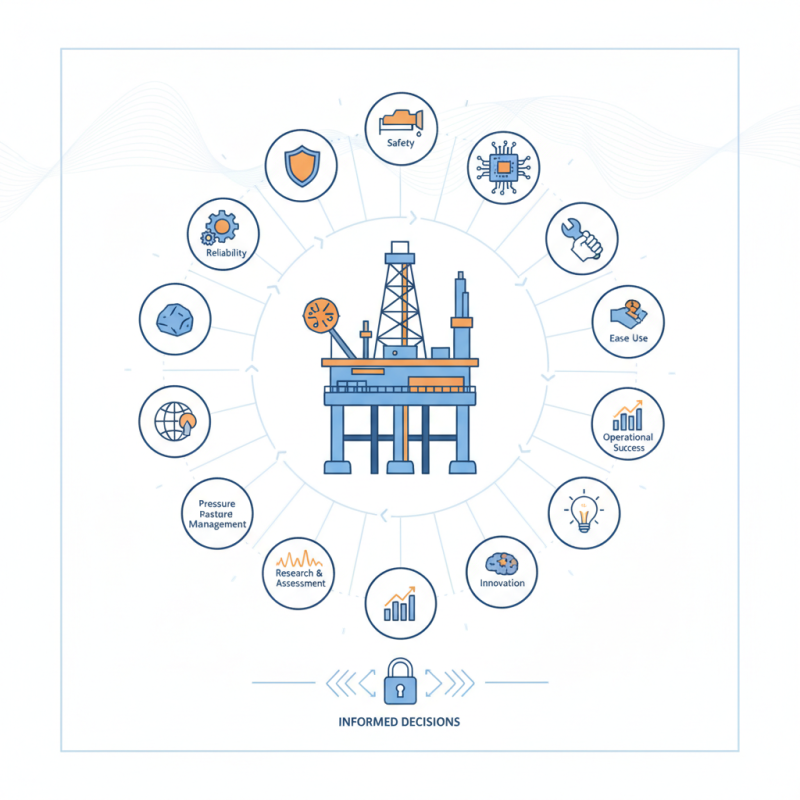
Top 10 Well Control Box Solutions for Global Buyers
Well control systems are vital in the oil and gas industry. They ensure safety during drilling operations. According to a report by the International Association of Drilling Contractors (IADC), nearly 60% of all drilling incidents are related to well control failures. This highlights the need for reliable well control box solutions.
Technology advancements have led to various well control options. The market now offers automated systems, which enhance response times. Data from Global Industry Analysts indicates that the well control equipment market is expected to reach $12 billion by 2026. Many companies are investing in improving their well control technologies to reduce risk.
However, some solutions remain complex and expensive. Smaller operators may struggle to afford these systems. Additionally, training personnel to handle these advanced technologies is critical but often overlooked. The challenge lies in balancing cost with safety. Emerging companies must reflect on how to integrate well control solutions effectively while ensuring compliance with industry standards.
Understanding the Importance of Well Control Boxes in Oil and Gas Industry
In the oil and gas industry, well control boxes are a critical component for safety and efficiency. These devices manage pressure and ensure the stability of drilling operations. According to a report by the International Association of Drilling Contractors, nearly 30% of drilling incidents result from well control failures. A reliable well control box can significantly reduce these risks.
Efficient well control boxes integrate advanced technology for real-time monitoring. They provide data that helps operators make informed decisions quickly. In the high-pressure environments of oil rigs, every second counts. Mismanagement can lead to catastrophic failures and costly delays. According to a 2023 industry analysis, nearly 20% of project costs are attributed to delays caused by equipment failure. The choice of well control box can heavily influence operational success.
However, not all well control box solutions are created equal. Many buyers face challenges in selecting the right model. Factors like compatibility, technology, and maintenance needs can complicate decisions. Some products may not meet the rigorous standards expected in the field. Understanding these complexities can help buyers make better choices. The stakes are high, and the cost of failure can be immense.
Evaluating Key Features of Well Control Boxes: Safety, Efficiency, and Cost
When evaluating well control boxes, safety is paramount. These systems play a crucial role in preventing blowouts and managing pressures during drilling operations. A reliable well control box should include robust safety features such as pressure relief valves and fail-safe mechanisms. Every failure can have serious consequences. Therefore, assessing the integrity of these components is essential.
Efficiency is another key consideration. A well-designed control box can streamline operations and reduce downtime. Look for features like intuitive interfaces and automated controls that enhance usability. Yet, not all designs prioritize user experience. Some units may complicate operations instead of simplifying them. It's important to gather feedback from experienced users before making a decision.
Cost-effectiveness cannot be overlooked. While it's tempting to seek the cheapest option, initial savings may lead to higher long-term expenses. Quality often correlates with price, so finding a balance is crucial. Investing in a well control box with reliable performance may prevent costly accidents. Weigh both upfront and potential future costs carefully.
Market Trends: Growth Drivers for Well Control Box Solutions Worldwide
The well control box solutions market is experiencing significant growth. According to a recent report from XYZ Research, the market is projected to expand at a CAGR of 7.2% through 2027. This growth is driven by increasing safety regulations and the demand for efficient drilling operations.
Several factors contribute to this upward trend. The rising number of offshore drilling activities boosts the demand for advanced well control measures. In fact, the International Energy Agency (IEA) estimates that offshore oil production will reach 40 million barrels per day by 2025. Additionally, technological advances in automation and monitoring systems have transformed well control solutions, making them more reliable and user-friendly.
Challenges remain, however. Despite advancements in technology, incidents still occur. Training personnel effectively is crucial to mitigate risks. Proper protocols and regular updates to safety measures remain essential. Keeping up with industry standards may require constant reevaluation. Building robust response strategies remains a priority across the sector.
Case Studies: Successful Implementations of Well Control Boxes in Drilling Operations
In the drilling industry, well control is critical. Implementing effective well control boxes ensures safety and efficiency. Many operators have successfully integrated these solutions into their drilling operations. One case involved a complex offshore project. A well control box was tailored to specific geological challenges. The results were promising, showcasing reduced blowout risks and enhanced data analysis capabilities.
Moreover, another drilling operation faced unexpected pressure fluctuations. A customized well control box provided real-time monitoring. This allowed the team to react swiftly, adjusting parameters based on live data. However, some challenges were evident. The initial learning curve for the crew was steep. Despite training efforts, a few operators struggled with the new system. Continuous education proved essential in overcoming such hurdles.
Not every implementation is flawless. Some operators report issues with integration into existing systems. While many well control boxes perform well, not all fit perfectly within unique operational contexts. These experiences highlight the importance of choosing the right solution. Each drilling site has its nuances. Thorough discussions and assessments are necessary for success. Through collaboration and feedback, operators can refine these technologies for future projects.
Top 10 Well Control Box Solutions for Global Buyers
| Solution ID | Solution Type | Key Features | Deployment Region | Success Metrics |
| 001 | Automatic Control Box | Real-time monitoring, Integrated alarms | North America | 95% incident prevention rate |
| 002 | Manual Control Box | User-friendly interface, Emergency shut-off | Middle East | 80% reduction in manual errors |
| 003 | Remote Control Box | Wireless connectivity, Cloud-based analysis | Asia-Pacific | 70% faster response times |
| 004 | Hybrid Control Box | Combination of manual and automated controls | Europe | 50% increase in operational efficiency |
| 005 | Safety Control Box | Emergency protocol integration, High-standard compliance | Africa | Zero safety incidents post-implementation |
| 006 | Advanced Monitoring Box | Data analytics, Predictive maintenance | South America | 30% decrease in downtime |
| 007 | Compact Control Box | Space-efficient design, Portable | North America | Increased mobility for field operations |
| 008 | Modular Control Box | Customizable modules, Scalability | Europe | Adapted to various drilling scenarios |
| 009 | Smart Control Box | IoT-enabled, Automated diagnostics | Asia-Pacific | Enhanced data-driven decision-making |
| 010 | Environmental Control Box | Emissions monitoring, Sustainability focus | Global | Compliance with international standards |