Why is Welding Protection Essential for Safety and Quality?
Welding Protection is crucial for ensuring safety and maintaining quality in welding operations. The welding industry faces many hazards, including exposure to harmful fumes, intense heat, and bright light. According to the American Welding Society, around 50,000 injuries occur annually in the welding sector. These numbers highlight the importance of effective protection measures.
Ignoring adequate safety precautions can lead to serious consequences. For instance, eye injuries from ultraviolet and infrared radiation can cause permanent damage. Additionally, respiratory issues can arise from inhaling toxic fumes. Statistically, workplaces that prioritize Welding Protection report a 20% decrease in accidents. This clearly shows the importance of proper gear and training.
Most workers understand the need for Welding Protection, yet many underestimate its importance. Some may fail to wear appropriate gear or ignore safety protocols. This oversight can result in tragic accidents. It’s essential to recognize that investing in safety is investing in a workforce's well-being. Employers must emphasize the importance of proper protection to reduce risks and foster a safer working environment.
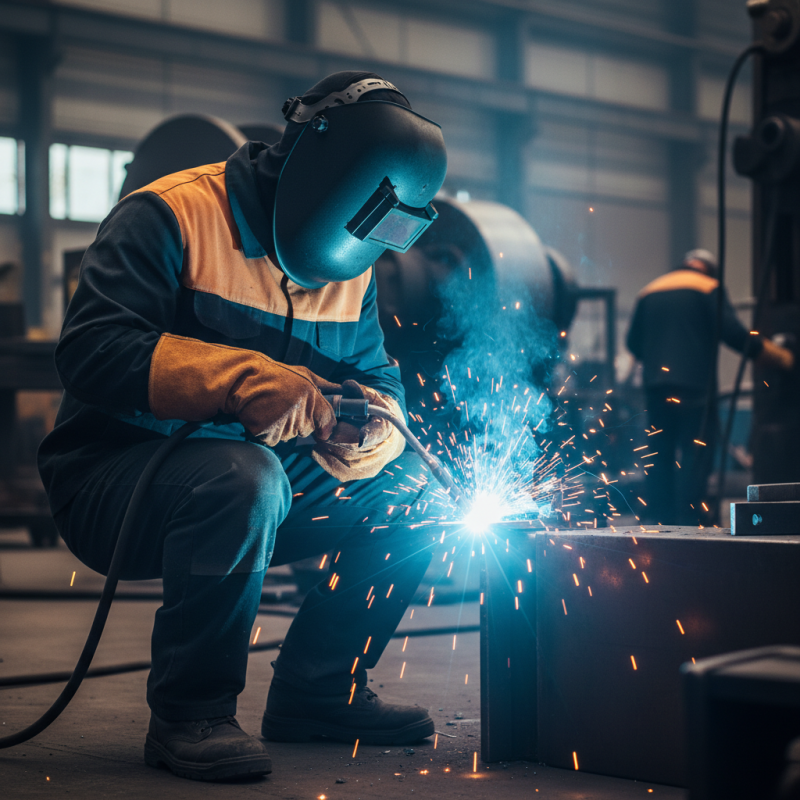
The Importance of Welding Protection for Occupational Safety
Welding is a critical process in construction and manufacturing. However, it comes with risks that demand attention. Proper welding protection ensures occupational safety and minimizes hazards. Welders are exposed to high temperatures, intense light, and harmful fumes. These elements can cause serious injuries or long-term health issues.
Tips: Always wear protective gear. A welding helmet shields the eyes from bright flashes. Thick clothing prevents burns from spatter. Don't skip gloves; they protect hands from heat and sharp metal.
Many welders underestimate the importance of ventilation. Inadequate airflow can lead to breathing difficulties. Breathing in fumes is harmful, and symptoms may not show up immediately. Regularly check work areas for proper ventilation. Awareness is key to maintaining a safe environment.
It’s vital to stay informed about potential risks. Build a culture of safety with coworkers. Share tips on equipment checks and protective gear. Learn from incidents, even minor ones. Reflecting on experiences strengthens safety practices and ensures everyone's well-being on the job.
Types of Hazards Associated with Welding Processes
Welding processes come with various hazards that can endanger both safety and quality. One major risk is exposure to harmful fumes and gases. These substances can lead to respiratory issues over time. Proper ventilation is essential in preventing inhalation of these toxic materials.
Another hazard includes intense heat and sparks. These can cause severe burns or ignite flammable materials nearby. Welders should always wear appropriate protective clothing. This includes flame-resistant gear that covers as much skin as possible.
Additionally, the use of fire-retardant barriers can help mitigate this risk.
Tips for welding safety include regularly checking equipment for malfunctions. Ineffective tools increase risk. Also, ensure an organized workspace. Clutter can lead to accidents and injuries. Lastly, use the proper protective gear consistently. This might feel uncomfortable at times but is crucial for long-term safety. Remember, neglecting these details can result in costly mistakes.
Key Protective Equipment for Welders
Welding protection is crucial for both safety and the quality of work. Welders face many hazards, including burns, electric shock, and harmful fumes. Proper protective equipment is essential to minimize these risks.
Key protective gear includes helmets, gloves, and aprons. A welding helmet shields the eyes and face from intense light and harmful radiation. Choosing a helmet with the right lens shade is vital. It can prevent long-term eye damage or discomfort. Gloves are equally important. They protect hands from extreme heat and sharp materials. Ensure they fit well to allow for dexterity while handling tools.
Safety tips are critical. Always inspect your gear before starting work. Check for any damages that could reduce effectiveness. Consider using leather or flame-resistant fabrics for aprons, as they provide better protection against sparks. Keep your workspace well-ventilated to avoid harmful fume buildup. Sometimes, welders may overlook these details. Ignoring them can lead to serious injuries.
Reflect on your safety practices regularly to improve your protection standards. Investing in reliable gear is not just about compliance; it strengthens your health and performance as a welder.
Best Practices for Ensuring Safety During Welding
Welding can be dangerous. Proper protection is vital. Safety gear like helmets and gloves prevents burns and sparks. Ensure your workspace is clean. Clutter can lead to accidents and injuries. Use barriers when possible. These measure can block flying debris.
Training is crucial. Welders should understand risks. Regular drills help reinforce safe practices. Always inspect equipment before use. Wear appropriate clothing. Loose fibers can catch fire easily. Remember that protective gear is not optional.
Finally, stay aware of your surroundings. Communicate with others in the area. Distractions can lead to mishaps. Reflect on your habits. Are you taking shortcuts? Awareness can prevent future issues. Strive for constant improvement in safety practices.
Maintaining Quality through Proper Welding Protection
Welding protection is vital for ensuring quality during metal fabrication. Inadequate protection can lead to defects in welded joints. According to the American Welding Society, improper protection can cause up to 50% of welding failures. This statistic highlights the necessity of using appropriate safety gear and techniques.
When welders neglect protection, they risk contaminating the weld puddle. Oxidation and contamination lead to weak bonds. Studies reveal that 30% of weld failures are attributed to poor environmental controls. A clean workspace minimizes these risks. Additionally, workers need to wear proper personal protective equipment (PPE) to guard against harmful fumes. In fact, the Occupational Safety and Health Administration states that exposure to welding fumes can cause serious respiratory issues.
Inspecting equipment frequently is crucial for maintaining quality. Faulty tools can produce faulty welds. Yet, some workers skip these checks due to time constraints. Regular maintenance can prevent costly mistakes. Quality management systems focus on this aspect, aiming for a zero-defect rate. Striving for excellence requires diligent attention to safety and quality in welding practices.