Wholesale Robot Arm CNC Milling Solutions for Global Buyers?
In the rapidly evolving landscape of manufacturing, "Robot Arm Cnc Milling Wholesale" has become a critical focus for global buyers. As industries seek to improve efficiency, the demand for robotic solutions in CNC milling has surged. These robotic arms offer precision and speed, significantly enhancing production capabilities.
Many manufacturers are exploring wholesale options to meet their growing needs. However, buyers must carefully assess suppliers for quality and reliability. Ensuring that the robot arms integrate seamlessly with existing systems is vital. Additionally, the variability in service and support can impact operational success. These aspects are essential for making informed decisions.
While the potential for increased productivity is immense, there are challenges to consider. Selecting the right technology and vendor requires expertise. Understanding the nuances of different robotic arms and their applications is crucial. Buyers may find themselves navigating a complex market, which underscores the importance of thorough research and evaluation.
Wholesale Robot Arm CNC Milling Market Overview and Trends
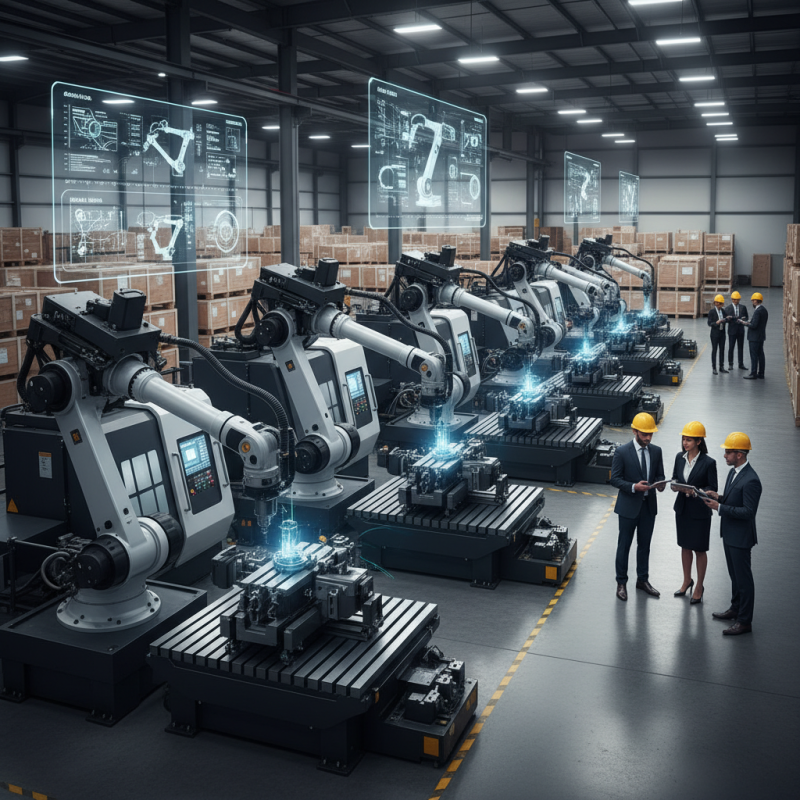
The wholesale market forrobot arm CNC milling is evolving rapidly. Recent trends show a growing preference for automation in manufacturing processes. Companies are looking for efficient solutions to reduce labor costs and enhance precision. These robotic arms are becoming indispensable in industries such as automotive, aerospace, and electronics.
Customization is a significant trend within this market. Buyers often seek tailored solutions to meet specific production needs. This trend leads to a variety of robot arm models and configurations. Many manufacturers are investing in R&D to create innovative designs. However, not all solutions are equally effective. Some buyers may find it challenging to choose the right model for their operations.
Integration remains a crucial aspect to consider. Buyers encounter various levels of compatibility with existing systems. This can lead to unanticipated costs and delays in production. Understanding how these machines interact with current setups is essential. Additionally, ongoing maintenance and software updates can be areas of concern. Potential buyers should approach these investments with careful consideration.
Key Advantages of Using CNC Milling Machines with Robot Arms
CNC milling machines combined with robot arms offer significant advantages in manufacturing. These solutions enhance precision and efficiency. The integration allows for complex designs to be produced with minimal human intervention. This can lead to greater consistency in production runs.
Using robot arms in CNC milling reduces the risk of human error. This technology streamlines the workflow, speeding up the production process. By automating tasks, companies can reduce labor costs as well. However, one challenge is the initial investment in equipment and training.
Data shows that businesses adopting this technology see improved output. The elimination of manual handling also reduces injury risks. Companies must consider maintenance and updates, which can be complex. Nonetheless, the benefits often outweigh the drawbacks, making it a compelling option for modern manufacturing.
Key Advantages of Using CNC Milling Machines with Robot Arms
Major Manufacturers and Suppliers in the Wholesale Robot Arm Industry
The wholesale robot arm industry has seen significant growth, driven by advancements in CNC milling technology. According to a recent report, the global market was valued at approximately $1.5 billion in 2022. A steady compound annual growth rate (CAGR) of about 10% is projected through 2030. This surge reflects increased demand for automation across various sectors, from manufacturing to electronics.
Major manufacturers are pivotal in meeting this demand. They emphasize precision, scalability, and durability in their products. One notable trend is the focus on collaborative robots, or cobots. These systems enhance safety and efficiency on the shop floor. However, they also present challenges in terms of integration with existing processes. Businesses must evaluate their specific needs and the compatibility of robot arms with current operations.
Supply chain dynamics also play a role. On one hand, reliable suppliers can ensure a steady flow of quality components. On the other hand, supply chain disruptions can lead to delays and increased costs. Data suggests that about 30% of manufacturers have faced significant supply chain hurdles recently. Businesses should be proactive in building relationships with trustworthy suppliers to mitigate risks and enhance operational efficiency.
Global Market Demand for Robot Arm CNC Milling Solutions
The global market for robot arm CNC milling solutions is rapidly expanding. Companies are increasingly turning to automation to enhance productivity. These solutions offer precision and efficiency in manufacturing processes. They are ideal for various industries, including automotive, aerospace, and electronics.
Manufacturers benefit from the flexibility of robotic systems. Robot arms can adapt to different tasks, reducing downtime and ensuring high-quality outputs. However, the initial investment poses challenges for small and medium-sized enterprises. They must weigh the costs against potential productivity gains. Understanding market demand helps businesses make informed decisions.
Furthermore, the integration of robotic arms into existing workflows is not straightforward. Companies face technical hurdles and require training for their workforce. These factors impact the overall implementation timeline. As demand grows, continuous innovation in robotic technology will shape future trends. Exploring these developments is essential for businesses striving to stay competitive in the market.
Future Innovations in Robot Arm Technology for CNC Applications
Innovations in robot arm technology are transforming CNC milling applications. As industries demand precision and efficiency, these advancements become critical. The evolution of sensor technology enhances the accuracy of robotic movements. This facilitates seamless integration into manufacturing lines, leading to improved productivity.
While the benefits are clear, there are challenges to address. The complexity of programming these systems can be daunting. Beginners may struggle to harness the full capabilities of modern robot arms. Furthermore, maintenance requires a keen understanding of technology. Technical obstacles may deter some users.
Tips: Invest in training programs for operators. Knowledge is key to maximizing efficiency. Regular maintenance checks can prevent costly downtime. Embrace continuous learning to keep pace with technological advancements. Overcoming initial hurdles leads to greater rewards.
As we look to the future, collaboration between human expertise and robotic precision becomes essential. Enhanced AI algorithms provide unprecedented adaptability. Such innovations redefine workflows and set new standards for quality and efficiency in CNC applications. Remember, mastery takes practice and perseverance.