2026 Top Circuit Board Innovations and Trends to Watch Out For?
In the rapidly evolving world of electronics, the "circuit board circuit board" industry stands at the forefront of innovation. According to Dr. Emily Thomson, a leading expert in advanced circuit board technology, “The future of circuit boards will redefine connectivity and performance.” As we look forward to 2026, several key trends are set to shape this industry.
First, the rise of flexible and hybrid circuit boards is revolutionizing design capabilities. These innovations enable integration into more diverse applications, from wearables to automotive technologies. However, there's a challenge. Many companies struggle to adapt to these new materials and processes effectively. Companies must embrace change to stay competitive in a volatile market.
Additionally, advancements in sustainable materials are gaining traction. The industry grapples with the question of how to minimize environmental impact while maintaining performance. Dr. Thomson emphasizes that sustainability and innovation must go hand in hand. It’s a critical balance that requires ongoing reflection and adjustment. As we prepare for 2026, understanding these dynamics becomes essential for anyone involved in the "circuit board circuit board" sector.

Emerging Materials for Circuit Boards: Key Innovations in 2026
In 2026, circuit board innovations will focus on emerging materials that promise
enhanced performance. Researchers are exploring biodegradable substrates.
These materials can reduce electronic waste significantly. With environmental concerns rising, this trend reflects a
crucial shift towards sustainability in electronics.
Another exciting development is flexible circuit boards. Made from advanced polymers, they can bend and twist.
This flexibility enables new designs in wearables and portable electronics. The challenge remains in
balancing durability and flexibility. Engineers are tasked with ensuring these boards can withstand daily use.
Thermal management is also an area of focus. Novel materials improve heat dissipation, crucial for
high-performance devices. Inefficient heat management can lead to device failure. Thus, developing better cooling solutions
is vital. These innovations enhance the reliability and lifespan of electronic devices. As these trends
evolve, the industry must continuously adapt to meet new challenges.
Advancements in Flexible Circuit Board Technology for Diverse Applications
Flexible circuit boards are changing the landscape of electronics. Their adaptability allows designers to create unique shapes and structures. This innovation is vital for industries like aerospace, automotive, and healthcare. Devices are becoming smaller and lighter. Flexible circuits help achieve these goals. They can bend and twist without losing functionality.
In healthcare, flexible circuits are making waves. Wearable devices and smart patches use this technology. These devices monitor health in real time. They deliver critical data directly to medical professionals. However, the reliability of these circuits is still under scrutiny. Manufacturers must ensure long-term performance. Balancing flexibility and durability remains a challenge.
Moreover, material innovation is a hot topic. New substrates promise to enhance performance. They can withstand extreme temperatures and increased stress. Yet, the development process is complex. Engineers often face setbacks in testing and production. Understanding these limitations is crucial for progress. The future of flexible circuits holds great promise, but it requires ongoing research and collaboration.
Impact of AI and Machine Learning on PCB Design Efficiency in 2026
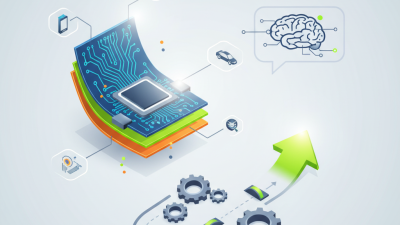
The integration of AI and machine learning in PCB design will reshape the industry in 2026. These technologies can analyze vast amounts of data, leading to optimized layouts and error reduction. Advanced algorithms can predict potential issues, allowing for quicker iterations in design. This capability increases efficiency, enabling engineers to focus on innovation rather than repetitive tasks.
Tips: Always test your designs with real-world simulations. Validate AI-generated layouts thoroughly to avoid unforeseen problems. Collaboration with AI should enhance creativity, not replace human insight.
The reliance on AI might raise concerns. Engineers could feel threatened by automation. However, viewing AI as an ally can transform workflows. Greater precision is achievable, but human oversight remains crucial. Balancing technology with personal expertise is vital for progress in PCB design.
2026 PCB Innovations: Impact of AI and Machine Learning on Design Efficiency
Sustainability Trends: Eco-Friendly Practices in Circuit Board Manufacturing
Sustainability in circuit board manufacturing is gaining momentum. Eco-friendly practices not only benefit the environment but also enhance brand reputation. Companies are now leaning towards recycled materials and energy-efficient processes. This shift helps in reducing waste and carbon footprints. Many manufacturers are exploring how to minimize harmful chemicals in their production lines.
To implement eco-friendly practices, consider prioritizing materials derived from sustainable sources. Use components that are recyclable. This decision can make a big difference in waste management. Moreover, analyze your production processes. Shift towards renewable energy sources to power your manufacturing facilities. This change can lead to significant savings in energy costs over time.
It's essential to stay informed about innovations in green technologies. Explore biodegradable options for insulation materials. However, keep in mind that not all eco-friendly choices are universally accepted. Testing and validation are crucial. Ensure that your strategies align with industry standards while promoting sustainability.
5G and Beyond: PCB Innovations Supporting Next-Gen Communications
The advent of 5G technology is creating significant demands on circuit board design and manufacturing. As communication speeds increase, so do the complexities involved in crafting printed circuit boards (PCBs) that can sustain higher frequencies. According to a recent report from IPC, the global PCB market is projected to reach $80 billion by 2026, driven largely by the expansion of 5G infrastructure and IoT devices.
Innovations in materials are essential to meet these new challenges. High-frequency laminates and low-loss dielectrics are increasingly being used in PCB fabrication. These materials are crucial for minimizing signal loss and maintaining data integrity. For instance, a study by the IEEE revealed that using advanced materials can reduce interconnect loss by up to 50%. However, these advancements come with higher production costs, necessitating ongoing innovation in manufacturing processes to maintain profitability without sacrificing quality.
The future of PCBs will also see integration with smart technologies. The rise of AI and machine learning in manufacturing processes offers the potential for automation and enhanced reliability. Yet, overcoming the learning curve associated with these technologies is a challenge many manufacturers face. As the industry grapples with these innovations, balancing cost, quality, and scalability will be crucial.