What Are the Benefits of Using Rigid PCB in Electronics?
Rigid PCBs, or printed circuit boards, are essential components in modern electronics. They provide a sturdy foundation for various devices, from smartphones to industrial machines. The durability of rigid PCB allows for complex circuit designs. This flexibility in design helps meet the high demands of technology today.
By using rigid PCB, manufacturers can achieve greater reliability. These boards are less prone to damage. This reliability is crucial in industries where failure is not an option. However, the manufacturing process of rigid PCBs can be intricate. Quality control is vital to avoid defects and ensure optimal performance. Many companies invest in advanced technologies to enhance production quality.
Investing in rigid PCB brings significant advantages. They enable efficient heat dissipation and effective signal transmission. Nonetheless, there are challenges. For instance, the initial cost can be high. This may deter some smaller companies from adopting them. Understanding the benefits and challenges is essential for making informed decisions in electronics.

Benefits of Rigid PCBs: Enhanced Durability for Electronic Devices
Rigid PCBs have become a vital component in electronics. One significant benefit is their enhanced durability. Rigid boards provide structural support that flexible counterparts cannot. This rigidity ensures that the circuits remain intact under stress, vibration, or temperature changes. As a result, electronic devices can last longer and operate more reliably.
Moreover, the manufacturing process of rigid PCBs often leads to improved performance. The materials used can withstand harsh environments, making them suitable for outdoor or industrial applications. This durability translates to lower maintenance costs over time. However, it’s essential to consider that while rigid PCBs are robust, they may not be suitable for all applications. Flexibility in design constraints is sometimes necessary, depending on the specific use case.
In some instances, the rigid nature of these boards might limit innovation in compact electronic design. Engineers must balance durability with design flexibility. This ongoing challenge highlights the importance of choosing the right PCB type based on application needs. Balancing performance, cost, and adaptability requires careful consideration and expertise in electronics design.
Benefits of Using Rigid PCB in Electronics
This bar chart illustrates the key benefits of using Rigid PCBs in electronic devices. The values represent the comparative significance of each benefit, with Enhanced Durability being the most critical factor, followed by Better Thermal Management and Higher Performance.
Cost Efficiency in Manufacturing Rigid PCBs Compared to Flexible Alternatives
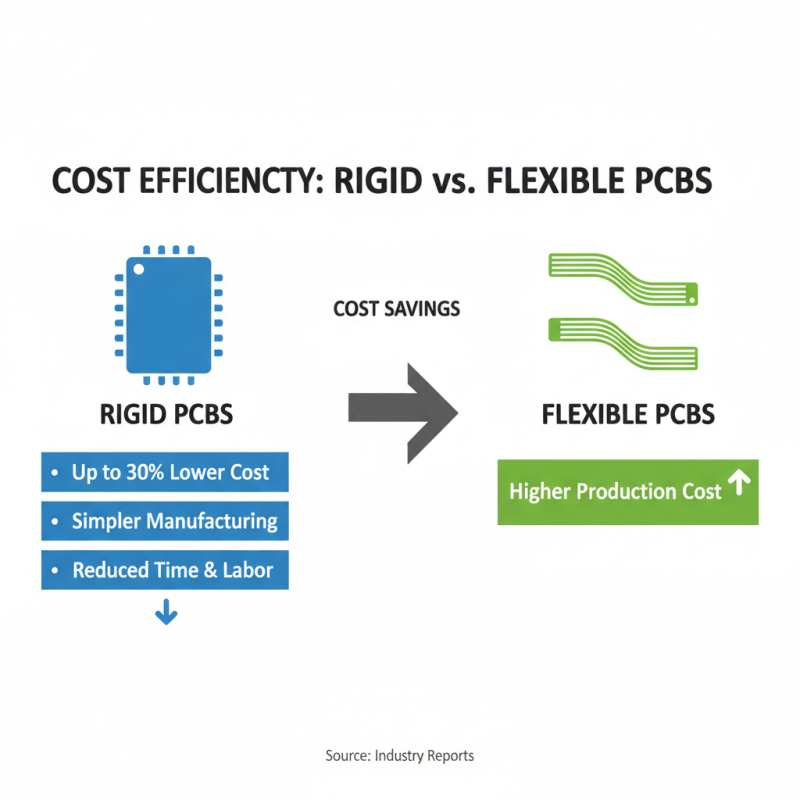
Cost efficiency in manufacturing rigid PCBs is a significant advantage over flexible alternatives. Data from industry reports indicate that the production cost of rigid PCBs can be up to 30% lower than that of flexible PCBs. This reduction often arises from the simpler manufacturing processes involved in rigid PCB production. More streamlined fabrication techniques contribute to savings in both time and labor.
Rigid PCBs also offer durability, which can enhance long-term cost-effectiveness. They tend to endure harsher environmental conditions without compromising function. This reliability is crucial in sectors like automotive and aerospace, where failures can incur high costs. Furthermore, the capital investment in rigid PCB production equipment is generally lower. Companies can achieve economies of scale more easily when producing these boards.
Yet, challenges remain. The design flexibility inherent in flexible PCBs allows for more intricate layouts, which can limit the application range for rigid boards. Firms must evaluate their specific needs carefully. The decision often hinges on balancing short-term savings with the potential benefits of using both forms. This complexity underscores the importance of thorough market analysis.
Heat Dissipation Advantages of Rigid PCBs in High-Power Applications
Rigid PCBs are essential in high-power applications due to their excellent heat dissipation properties. These boards are built from sturdy materials, allowing them to endure significant thermal stresses. When electronics generate heat, a rigid PCB can effectively distribute this heat away from critical components. This prevents overheating and enhances the overall reliability of devices.
In high-power scenarios, such as industrial equipment or power converters, managing heat is vital. Rigid PCBs offer a larger surface area for heat spreading. Their dimensional stability ensures that the board does not warp or deform under temperature fluctuations. While many designs succeed in heat management, some may still struggle, leading to performance issues. Regular testing and evaluations are crucial to identify potential heat retention problems.
Moreover, choosing the right materials and layouts can optimize heat dissipation. Engineers often experiment with different configurations to enhance thermal performance. However, complexities in design can introduce challenges. Each application might require a unique approach, highlighting the importance of tailored solutions. The right balance between thermal management and design is essential for durability and efficiency.
Design Flexibility in Rigid PCBs Leading to Compact Electronics Solutions
Rigid PCBs are revolutionizing the electronics industry with their design flexibility. Their solid structure allows manufacturers to create intricate layouts. This leads to more efficient use of space in devices. With the miniaturization trend in technology, compact designs are essential. Rigid PCBs can accommodate tight component placements without compromising performance.
The rigid nature of these PCBs enables designers to create unique shapes. This capability can enhance device aesthetics and functionality. Designers can tailor the PCB layout to fit specific product requirements. For example, a compact remote control can benefit from a precisely designed rigid PCB. However, flexibility in design can come with challenges. Fitting all components into a smaller area may require trade-offs in performance. Careful planning is necessary to optimize these rigid structures.
Despite these challenges, rigid PCBs remain a favorite in various applications. Their stability ensures reliable operation in demanding environments. Designers must continuously explore ways to improve designs while balancing performance and size. It's a journey of innovation and precision in the realm of electronics.
Reliability and Longevity: Rigid PCB Performance in Harsh Environments
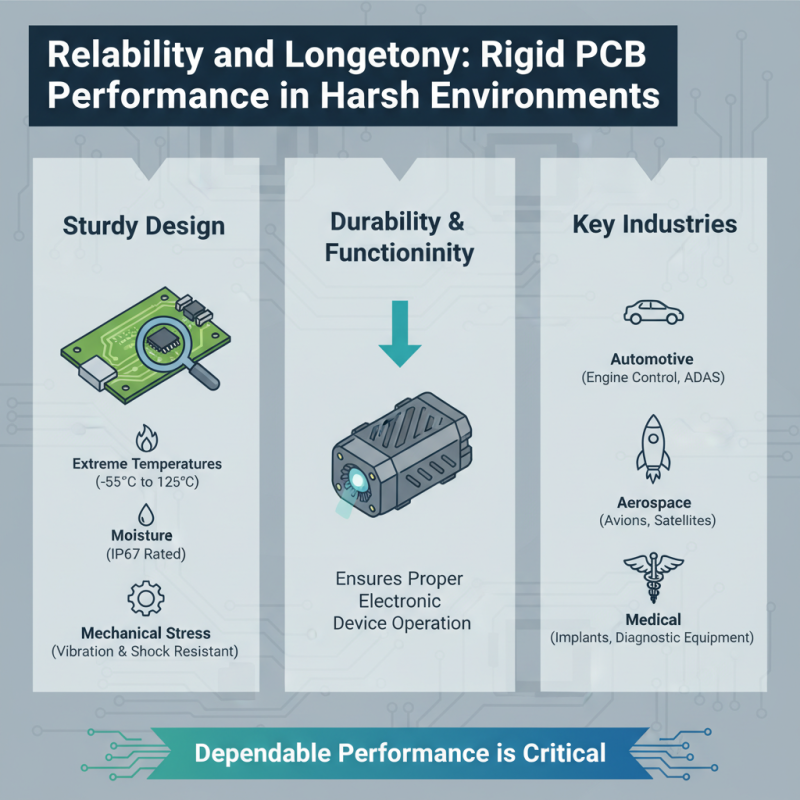
Rigid printed circuit boards (PCBs) provide exceptional reliability when used in harsh environments. Their sturdy design withstands extreme temperatures, moisture, and mechanical stress. This durability ensures that electronic devices function properly even in challenging conditions. Rigid PCBs are prevalent in industries like automotive, aerospace, and medical, where dependable performance is critical.
Tips: Always consider the environment where your PCB will operate. This knowledge can guide material selection and design.
The integration of rigid PCBs can prolong the lifespan of electronic products. Unlike flexible PCBs, rigid boards maintain their shape and structural integrity. This characteristic is vital for applications where consistent performance is required. However, design complexities may arise. It's essential to account for thermal management and component placement.
Tips: Regular testing of your PCB designs can identify potential issues early on, preventing costly failures later.
In some cases, rigid PCBs may seem less adaptable. Their fixed nature limits flexibility in changing designs. Engineers must carefully plan ahead to avoid rework. Despite this challenge, the benefits often outweigh the downsides when reliability is paramount.