How to Choose the Right Flex Circuit Board for Your Project?
Choosing the right flex circuit board for your project can be challenging. With various options available, it’s easy to feel overwhelmed. Dr. Emily Carter, a leading expert in flexible electronics, once stated, “The success of your electronic design often hinges on selecting the appropriate flex circuit board.”
Flex circuit boards offer unique benefits, including lightweight, space-saving designs. However, understanding the specific needs of your project is crucial. Factors like material, layer count, and flexibility play significant roles in determining the right choice. Technical specifications can sometimes seem daunting. Many designers overlook simple flaws in their selection process, leading to costly mistakes.
Ultimately, selecting a flex circuit board requires sound judgment and deep understanding. Engaging with experienced professionals and continuously learning can enhance your decision-making. Remember, there's no one-size-fits-all solution in flex circuit board design. Your project's objectives should always guide your choice, even amidst uncertainties.
Understanding the Basics of Flex Circuit Boards
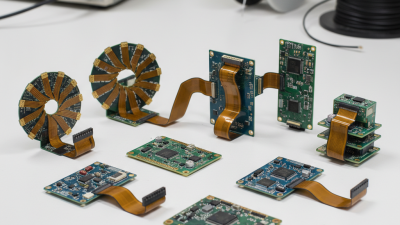
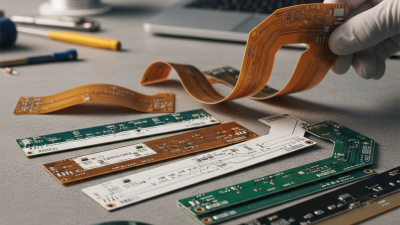
Flex circuit boards are flexible printed circuits designed for specific applications. They can bend, twist, and fold, providing a unique solution for complex designs. Understanding their basics is essential in selecting the right board for your project.
When exploring flex circuit boards, consider the material. Polyimide and polyester are common substrates. Polyimide is favored for high-temperature applications. Polyester is a more affordable option but may not withstand extreme conditions. Assessing your project's temperature requirements will guide your material choice.
### Tips
Evaluate the circuit's layout early. It can save time and reduce costs. Remember that tight bends and complex shapes may lead to challenges in manufacturing. Additionally, review the total thickness of the finished board. It directly affects the circuit’s flexibility and performance. Be vigilant about these details, as they can impact the overall design.
Another critical aspect is the layer count. A single-layer flex circuit is sufficient for simple applications. Multi-layer options offer better power distribution and signal integrity, but they can be more costly. Ensure you balance performance needs with budget constraints. An informed decision requires self-reflection. Identify areas where the design might need revisiting.
Identifying Your Project Requirements and Specifications
When embarking on a project requiring a flex circuit board, clearly defining your project's requirements is crucial. This begins with understanding the electronic components involved. Consider factors like component size, weight, and orientation. Each element plays a pivotal role in determining the size and layout of your circuit board. Additionally, the electrical performance of these components should align with the intended use, whether it’s for wearables or medical devices.
Next, evaluate the operational environment of your circuit board. Will it be exposed to extreme temperatures or humidity? This can affect material choice and flexibility. Even the bending radius can influence reliability. Moreover, think about production volume. Some designs may be economical for mass production but costly for prototypes. Seeking advice from experienced engineers can offer insights into these complexities. Remember, clarifying these specifications in advance can help prevent costly revisions later.
Flex Circuit Board Selection Criteria
Comparing Different Types of Flex Circuit Designs
When selecting a flex circuit board, understanding the various designs is crucial. Flex circuits are categorized into several types, including single-sided, double-sided, and multilayer configurations. Each type offers unique capabilities that affect functionality and performance. A recent report estimated that the global flex circuit market would reach $20.5 billion by 2026, reflecting the rising demand for flexible electronics in diverse sectors.
Single-sided flex circuits are typically the most straightforward design, ideal for straightforward applications. Their simplicity makes them cost-effective. However, they are limited in terms of circuitry complexity. Double-sided flex circuits increase functionality with added layers. They allow for more complex designs but might raise production costs. Multilayer flex circuits boast significant advantages, such as 3D bending capabilities and reduced overall size. However, they require meticulous design and manufacturing expertise.
**Tip:** Analyze your project needs before choosing a design. Compare durability requirements, space constraints, and production costs to make an informed decision.
While flexibility is a major advantage, it can pose challenges as well. Not every design is suitable for every application. For example, some may face mechanical stability issues or wear over time. Always consider the operational environment and use case before finalizing your choice.
**Tip:** Seek expert opinions to avoid common pitfalls in design selection. Collaborating with experienced engineers can enhance reliability and performance.
Evaluating Material Options and Their Impact on Performance
When selecting a flexible circuit board, material choice is crucial. Different materials impact electrical performance, durability, and cost. Common options include polyimide, polyester, and paper-based materials. A study by IPC (Association Connecting Electronics Industries) highlights that polyimide films can withstand higher temperatures, making them ideal for high-performance applications. They offer better mechanical strength but often come at a higher price point.
Environmental factors also play a role. Certain materials may degrade faster in humid or harsh conditions. For instance, polyester is more cost-effective but may not perform well in extreme temperatures. Reports indicate that 35% of engineers find flexibility and durability essential for wearables and medical devices. In contrast, industry data suggests that 25% prioritizes cost over other factors, leading to potential compromises in performance.
Moreover, the choice of copper thickness significantly affects conductivity. Thinner copper layers are less conductive but more flexible. However, they may not support heavy current loads. Engineers often face challenges in balancing performance and cost. It is essential to evaluate each project's specific needs and test materials to ensure optimal functionality in real-world applications.
How to Choose the Right Flex Circuit Board for Your Project? - Evaluating Material Options and Their Impact on Performance
| Material Type |
Flexibility |
Temperature Resistance (°C) |
Cost (per square meter) |
Applications |
| Polyimide |
High |
-269 to 400 |
$50 |
Aerospace, Medical Devices |
| PET (Polyethylene Terephthalate) |
Moderate |
-70 to 125 |
$30 |
Consumer Electronics |
| FR-4 (Flame Retardant) |
Low |
-30 to 140 |
$15 |
General PCB applications |
| PES (Polyethersulfone) |
Medium |
-50 to 200 |
$45 |
Telecommunications, Automotive |
| PTFE (Polytetrafluoroethylene) |
High |
-200 to 260 |
$60 |
RFID, Aerospace |
Selecting the Right Manufacturer for Your Flex Circuit Board
Choosing the right manufacturer for your flex circuit board is crucial for project success. Manufacturers vary in capabilities and specializations. Research is essential. Look for companies with experience in your specific application. Reviewing portfolios can provide valuable insights into their past work.
Communication is key during the selection process. Consider how responsive they are to your inquiries. If a manufacturer takes time to answer questions, they likely value customer relationships. Additionally, checking industry certifications can help assess reliability. Certifications signal that they adhere to quality standards.
Don't forget to evaluate production capabilities. Ask about materials and technologies used in fabrication. Some manufacturers specialize in specific types of flex circuits, which may not suit your needs. On the other hand, flexibility in production can be beneficial. A company that can accommodate design changes is worthwhile. Reflect on their ability to support you throughout the project from prototype to mass production.