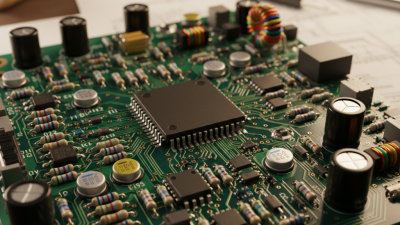
Top Electronic Board Manufacturers for Global Buyers
Choosing the right electronic board manufacturer can shape a product’s reliability, cost, and market readiness. Global buyers need more than attractive quotations. They need evidence of engineering capability, consistent production, and responsible business practices.
This guide introduces leading manufacturers for different purchasing needs. It considers prototype support, component sourcing, assembly quality, testing procedures, certifications, and production capacity. A dependable supplier should explain its process clearly, from design-for-manufacturing reviews to final inspection. Factory photographs can help, but documented records matter more. Look for traceability, calibrated equipment, trained technicians, and practical quality controls.
Details matter.
An experienced manufacturer may identify soldering risks before they become expensive failures. It may also suggest safer layouts, accessible components, or better thermal management. However, no supplier is perfect for every project. A large factory may offer strong capacity but limited flexibility. A smaller partner may communicate faster but struggle with urgent volume increases. These trade-offs deserve careful review.
The companies discussed here should be evaluated against your application, delivery region, compliance requirements, and budget. Buyers should request current certifications, sample reports, references, and clear warranty terms. Independent verification remains valuable, especially when supplier information appears incomplete. Pricing alone can mislead. A low quote may exclude testing, tooling, packaging, or dependable logistics.
This overview aims to support a practical, evidence-based shortlist. It does not replace technical audits or direct negotiations. Manufacturing performance can change over time. Verify the details before committing.
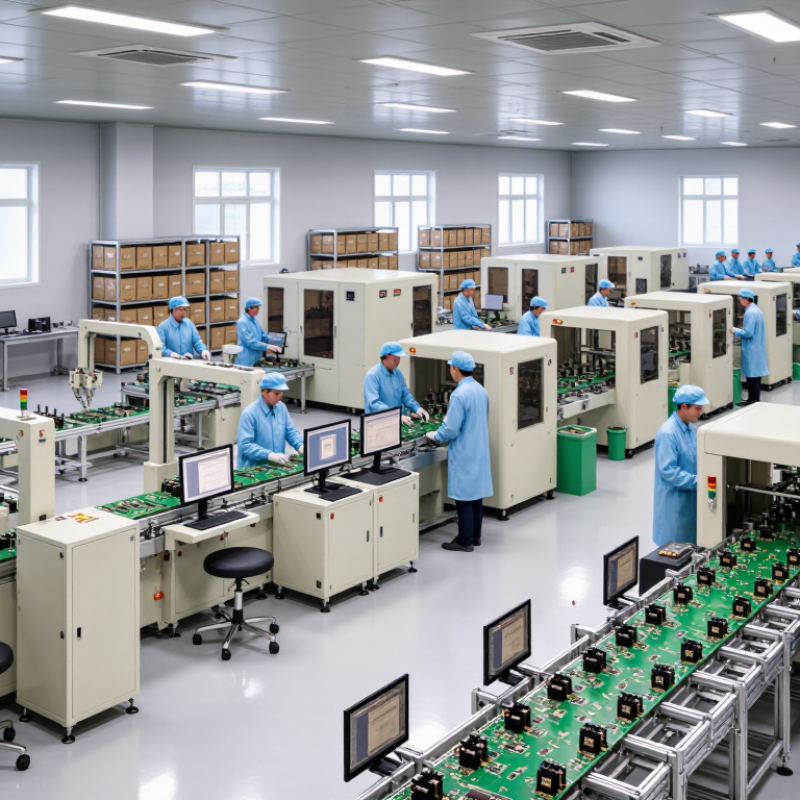
What Makes an Electronic Board Manufacturer a Global Leader
Top Electronic Board Manufacturers for Global Buyers
A global leader is not simply a factory with a large production line. It converts design files into stable boards across borders, climates, and regulations. The WSTS Spring 2024 forecast valued global semiconductor sales at 611.2 billion dollars for 2024. That figure reflects intense demand for dependable board assembly and traceable component sourcing. Yet scale can hide weak communication. A buyer should inspect first-article records, solder-profile data, revision control, and shipment history. Ask for evidence, not polished promises.
Quality begins with repeatable process control. The ISO Survey 2023 recorded 1,265,216 ISO 9001 certificates worldwide. Certification helps, but it does not prove excellent engineering. A reliable manufacturer connects audits with corrective actions, operator training, and measurable yield. Look for AOI images, X-ray inspection where necessary, and clear nonconformance reports. Environmental control matters too. Moisture-sensitive components need sealed handling, humidity logs, and disciplined floor-life tracking. These details seem unglamorous. They prevent expensive surprises.
Global capability also requires resilience. A manufacturer should explain approved alternates, regional logistics, cybersecurity controls, and recovery plans. IPC industry outlooks continue to identify material costs and labor availability as operational pressures. Strong teams quantify lead-time assumptions instead of promising every deadline. Request a pilot batch and test it under real field conditions. Review failures openly. Even mature suppliers miss things; what matters is how quickly they learn, document, and prevent repetition.
Key Types of Electronic Boards and Their Industrial Applications
Top Electronic Board Manufacturers for Global Buyers
Key Types of Electronic Boards and Their Industrial Applications
Printed circuit boards connect components and direct signals through compact electronic systems. Single-layer boards suit simple controls, sensors, and low-cost household devices. Multilayer boards manage dense circuits in industrial computers, medical equipment, and communication hardware. Their internal copper layers reduce wiring space and improve signal routing.
Rigid boards provide stable support inside control panels, meters, and factory machines. Flexible boards bend around hinges, displays, and narrow enclosures. Rigid-flex boards combine both benefits for robotics, vehicle systems, and compact inspection tools. Power boards handle current conversion and distribution in chargers, automation cabinets, and renewable-energy equipment. Poor heat design can still shorten their service life.
High-frequency boards support radar, wireless modules, and precision measurement equipment. They require controlled impedance, careful material selection, and strict testing. Embedded control boards combine processors, memory, and interfaces for elevators, pumps, production lines, and monitoring devices. Buyers should review trace width, thermal performance, certifications, and inspection records before choosing a manufacturer. Field samples matter.
A reliable supplier should explain tolerances, testing methods, delivery limits, and material sources clearly. Factory experience is useful, but it does not replace current quality data. Some specifications appear perfect on paper. Real vibration, dust, and heat may expose weaknesses later. Small pilot orders and documented testing can reduce that uncertainty for global buyers.
How to Evaluate Electronic Board Manufacturers for International Sourcing
Evaluating electronic board manufacturers requires more than comparing quotations. Start with evidence: certifications, process controls, traceability, and production capacity. Request recent audit records, not only certificates. Check whether the factory can trace each board from laminate receipt to final inspection. IPC’s 2024 Global Sentiment of the Electronics Industry report highlights continuing supply-chain uncertainty, making material control a practical sourcing test.
Ask for measurable quality data. Review first-pass yield, defect rates, customer returns, and corrective-action closure times. A supplier should explain failures without hiding behind averages. The World Bank’s 2023 Logistics Performance Index evaluates 139 economies across customs, infrastructure, shipment quality, and delivery timeliness. Use those factors when comparing factory locations. A technically capable supplier may still create delays through weak export coordination.
Production samples deserve close inspection. Check solder coverage, drilling accuracy, surface finish, warpage, and packaging after simulated transport. Request a small pilot order before signing a long contract. UNCTAD’s Review of Maritime Transport 2024 states that over 80% of global merchandise trade by volume moves by sea, so packaging and route planning matter. A low price can still be a warning. Buyers may overvalue polished presentations. I would not treat one successful sample as proof of stable mass production. Ask how the manufacturer handles engineering changes, urgent replacements, and capacity shortages during peak demand.
Top Electronic Board Manufacturers for Global Buyers
How to Evaluate Electronic Board Manufacturers for International Sourcing
Typical lead-time planning ranges are useful for comparing manufacturers during international sourcing. Shorter and more predictable production cycles can reduce inventory exposure, but buyers should also verify certifications, process traceability, quality records, capacity, communication speed, and export logistics before selecting a supplier.
The ranges represent common industry planning windows in business days and may vary according to board complexity, order volume, materials, engineering changes, and shipping requirements.
Leading Manufacturing Regions and Their Competitive Strengths
Top Electronic Board Manufacturers for Global Buyers
Asia remains the center of electronic board production. Prismark’s 2024 PCB industry review estimated the Asia-Pacific region generated about 90% of global PCB output. China offers deep supplier networks, large-scale fabrication, and fast component access. Taiwan and South Korea remain strong in advanced substrates and high-density interconnect technology. Japan adds precision materials, rigid quality controls, and reliable process engineering. These advantages matter when buyers need stable impedance, fine traces, or thousands of repeatable units.
Southeast Asia is gaining attention. UNCTAD’s World Investment Report 2024 recorded continued manufacturing investment across the region, supporting new electronics capacity. Vietnam, Malaysia, Thailand, and Singapore provide alternative production bases, skilled technicians, and improving logistics. Their ecosystems are not equally mature. That matters. North America supports high-mix, quick-turn, and traceable production, especially for aerospace, medical, and industrial applications. Europe competes through engineering depth, automation, and strict environmental compliance. IPC’s 2024 electronics industry research also highlights continuing pressure from labor costs, lead times, and supply-chain resilience.
Cost alone can mislead buyers. A lower quotation may hide longer testing cycles, limited engineering support, or weaker second-source planning. Regional rankings are useful, but imperfect. Buyers should audit factory records, inspect sample cross-sections, and verify certifications before scaling orders. Availability can change within months. Recheck it.
Quality, Compliance, Customization, and Supply Chain Considerations
Top Electronic Board Manufacturers for Global Buyers
Quality begins with measurable controls, not attractive product photographs. Experienced buyers review incoming material checks, soldering standards, inspection records, and failure data. Ask for sample reports and process capability results before approving large orders. A reliable manufacturer can explain testing equipment, calibration dates, and corrective actions clearly. Factory audits matter. Still, paperwork alone cannot prove daily discipline. Ask how operators handle damaged components, unclear drawings, and repeated defects.
Compliance must match the destination market and the board’s intended use. Request material declarations, traceability records, and relevant safety documentation. Confirm that production files, revisions, and test results remain controlled. Traceability is essential. Customization also requires engineering depth. A minor change in layer count can affect impedance, heat control, and delivery time. Share drawings, tolerances, operating temperatures, and annual volumes early. Small details become expensive later. I would not assume every custom request is practical; some designs need redesign before manufacturing.
Supply chain strength involves more than quoted lead times. Review component sourcing, minimum order quantities, buffer stock, packaging, and logistics options. Ask whether approved alternatives exist for vulnerable parts. Build a risk register. Forecasts can be wrong. A strong supplier communicates shortages before they become missed shipments. However, buyers should also challenge optimistic schedules and request milestone updates. Regional production, dual sourcing, and documented escalation contacts can reduce disruption, though they may increase cost. Compare landed cost, not only factory pricing, because inspection, freight, duties, and rework can change the final result.
Related Posts
-
10 Essential Tips for Understanding Circuit Boards and Their Functionality
-

Top 10 Circuit Board Design Tips for Beginners and Experts
-

Top 10 Benefits of Using PCB Boards in Electronics Manufacturing
-

How to Design a Circuit Board Efficiently in 2026?
-

What Is a PCB Board and How Does It Work?
-
How to Choose the Right Printed PCB Supplier?