China Best Rigid Flex PCB Solutions for Global Buyers?
In the rapidly evolving world of electronics, companies are seeking innovative solutions. "Rigid flex PCBs are becoming the go-to choice for many manufacturers," notes Dr. Emily Hsu, a leading expert in PCB technology. This hybrid design combines the flexibility of traditional flex circuits with the durability of rigid boards. It enables more compact device designs, which is a significant advantage.
Chinese manufacturers have gained a reputation for excellence in the rigid flex PCB market. Their ability to deliver high-quality products at competitive prices draws global buyers. Yet, challenges remain. Ensuring consistent quality control can be difficult. Some buyers encounter issues with lead times and communication. These factors can hinder the purchasing experience.
However, the potential of rigid flex PCBs is undeniable. They are transforming industries, from consumer electronics to medical devices. Exploring reliable suppliers in China is crucial for companies looking to leverage this technology. This path requires diligence and informed decision-making to navigate potential pitfalls effectively.
China’s Leading Rigid Flex PCB Manufacturers and Their Expertise
China is emerging as a powerhouse in the rigid flex PCB industry. Its manufacturers are leveraging advanced technology and skilled labor. This combination enables them to produce high-quality products that meet global standards. Many factories invest heavily in research and development, ensuring continuous innovation. This expertise attracts international buyers seeking reliable partnerships.
Leading manufacturers often specialize in various applications. Some focus on medical devices, while others target consumer electronics. This diversity allows companies to develop tailored solutions for different markets. However, challenges remain. Quality control can sometimes be inconsistent, and communication barriers may arise. Buyers should thoroughly evaluate potential partners, considering their production capabilities and past performance.
Sustainability is another area where improvements are necessary. As the industry grows, so does its environmental impact. Many manufacturers are beginning to adopt eco-friendly practices. Yet, there is still a long way to go. Transparency in sourcing materials and waste management is critical for building trust. Buyers must ask the right questions to ensure they align with partners committed to sustainable growth.
Innovative Rigid Flex PCB Technologies Emerging from China
China is rapidly advancing in rigid flex PCB technology, shaping the global landscape. According to industry reports, the global rigid flex PCB market is projected to reach USD 19 billion by 2026, reflecting a CAGR of 7.8%. This growth signals a shift towards more compact and lightweight electronic devices.
One innovative aspect comes from breakthroughs in material science. New substrates enhance flexibility and thermal resistance, allowing for more complex designs. However, challenges remain in standardization and manufacturing processes. Meeting diverse international quality standards is vital for broader market acceptance.
Moreover, emerging technologies like 5G and Internet of Things (IoT) applications create high demand. Rigid flex PCBs are crucial in optimizing space and performance. Yet, companies must focus on sustainability and recyclability. The industry is still evaluating eco-friendly materials, which presents an opportunity for improvement and innovation.
China Best Rigid Flex PCB Solutions for Global Buyers
| Category |
Specification |
Material Used |
Thickness |
Layer Count |
Production Volume (units/month) |
Lead Time (days) |
| Consumer Electronics |
High-Density Interconnect |
Flexible Polyimide |
0.2 mm |
4 Layers |
2000 |
15 |
| Medical Devices |
Multi-layer Flex PCB |
FR-4 |
0.3 mm |
6 Layers |
1500 |
20 |
| Automotive |
Rigid-Flex Combo |
Polyester |
0.5 mm |
8 Layers |
1000 |
25 |
| Telecommunications |
High Frequency |
Teflon |
0.4 mm |
10 Layers |
800 |
30 |
Key Advantages of Sourcing Rigid Flex PCBs from China
Sourcing rigid flex PCBs from China offers numerous advantages. The country dominates the global market, accounting for approximately 40% of the world's printed circuit board production, according to industry reports. This allows buyers access to advanced manufacturing technologies and comprehensive expertise. China's skilled workforce is adept in producing high-quality components that meet international standards.
One key benefit is cost efficiency. Companies can save up to 30% on production costs by sourcing from China. This is largely due to lower labor costs and economies of scale. Moreover, the supply chain is well-established, ensuring timely delivery of products. However, potential challenges exist, such as variations in quality. It's crucial for buyers to conduct thorough inspections and audits.
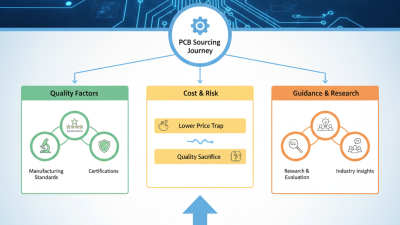
Here are some tips for sourcing rigid flex PCBs: Prioritize suppliers with certifications, such as ISO 9001, to ensure quality control. Communicate specifications clearly to avoid misunderstandings. Lastly, consider small trial orders to assess the supplier’s reliability before committing to larger batches. This step can mitigate risks and ensure that the final products align with project needs.
Key Advantages of Sourcing Rigid Flex PCBs from China
Quality Assurance Standards for Rigid Flex PCBs in China
Quality assurance is paramount for rigid flex PCBs in China. Manufacturers adhere to strict standards to ensure reliability. Testing procedures often include thermal cycling, mechanical stress, and impedance analysis. These processes help identify potential failures early in production.
Certification plays a critical role. Many companies seek ISO 9001 and IPC-A-600 certifications. These standards help maintain quality by ensuring production processes meet international requirements. However, not all manufacturers achieve this level of compliance. It is essential for buyers to verify a supplier's certifications and quality control measures.
Supply chain transparency is another important aspect. Buyers should require detailed reports on material sourcing and manufacturing processes. This transparency helps mitigate risks associated with subpar materials or production methods. A good understanding of these factors fosters better partnerships between buyers and PCB manufacturers in China.
Global Trends Affecting the Rigid Flex PCB Market and China’s Role
The rigid flex PCB market is experiencing significant shifts influenced by global trends. A report by ResearchAndMarkets indicates that the rigid flex PCB market is projected to reach $25 billion by 2025, with a notable compound annual growth rate of 12%. This growth reflects increased demand for compact and flexible electronics across various sectors, including automotive and consumer devices. China plays a crucial role in meeting this demand, serving as a leading manufacturer with advanced capabilities.
Electronics manufacturers face challenges in adapting to rapidly evolving technologies. The need for lightweight designs and efficient production processes is paramount. According to IPC, the demand for flexible solutions has risen by 30% in recent years. As companies seek to balance quality and cost, supply chain management becomes more complex. This calls for a careful selection of partners with proven expertise in rigid flex technology.
Tip: Prioritize suppliers who demonstrate a robust track record in quality control. Ensuring reliable sourcing can mitigate risks and enhance the production process.
Investing in manufacturing technology is essential. Implementing automation and other advancements can optimize operations. However, this requires careful consideration of capital expenditures and potential returns. A study from the International Journal of Advanced Manufacturing Technology highlights that companies achieving 30% efficiency gains through automation are not without challenges. It often demands upskilling the workforce and reevaluating existing processes.
Tip: Regularly assess the skills of your team. Adaptability in training is key to harnessing new technologies effectively.