What is Rigid Flex Rigid PCB Benefits and Applications?
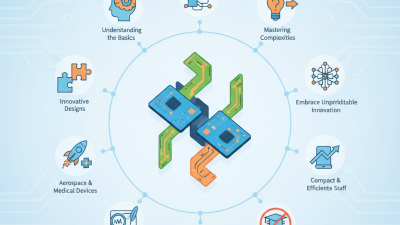
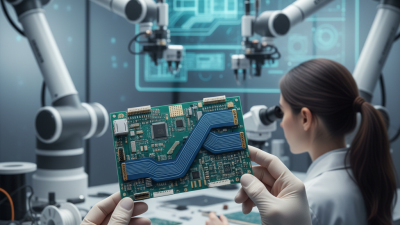
Rigid flex rigid PCBs are becoming essential in today's tech-driven world. They combine the benefits of both rigid and flexible circuits. This fusion allows for greater design freedom and space efficiency. Industry expert Dr. Jane Smith states, "The future of electronics hinges on the adaptability of rigid flex rigid PCBs." Her insights emphasize the significant role this technology plays in advancing device functionality.
The benefits of rigid flex rigid PCBs include reduced weight and improved reliability. These circuits endure complex environments while maintaining performance. They find applications in aerospace, medical devices, and smartphones. Yet, as with any technology, challenges exist. The manufacturing process can be intricate and costly. Designers must prioritize the right materials and techniques to maximize benefits.
Understanding rigid flex rigid PCBs requires recognizing their complexity. Engineers often face hurdles in balancing performance and production costs. Feedback from users can guide improvements. Embracing these challenges will lead to innovative solutions in the ever-evolving electronics landscape. Rigid flex rigid PCBs are crucial for pushing the boundaries of modern technology.
What is Rigid Flex Rigid PCB?
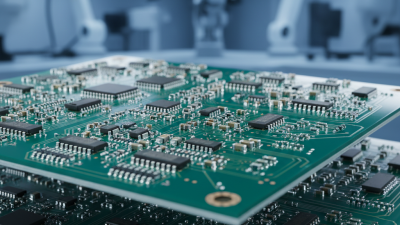
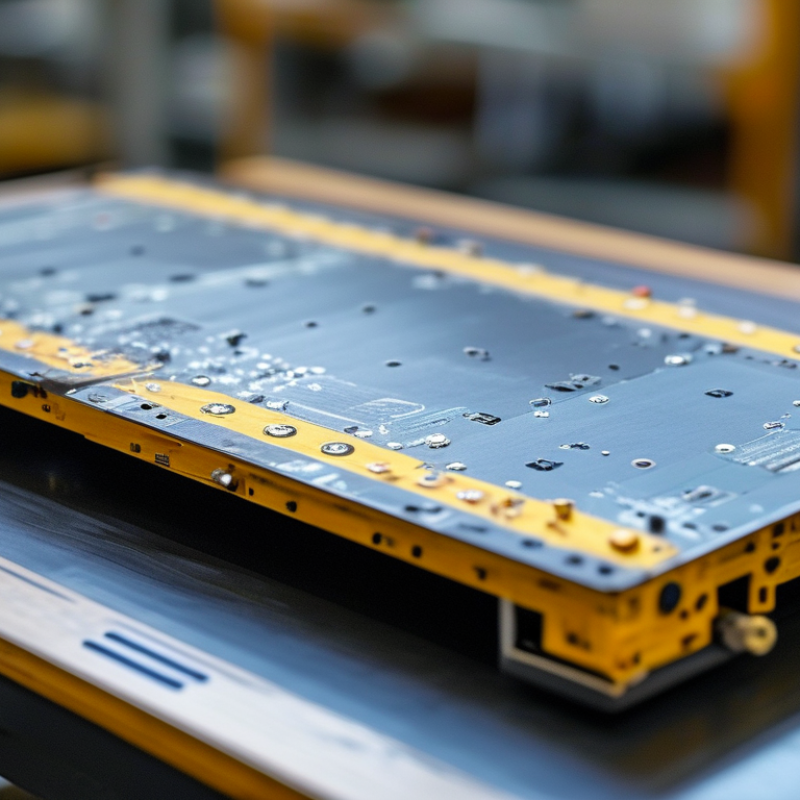
Rigid flex PCBs combine the advantages of both rigid and flexible circuits. This hybrid technology allows complex designs and saves space. Rigid flex boards can bend while maintaining structural integrity. This is particularly useful in applications where movement is essential.
In medical devices, for instance, these PCBs can fit into compact areas. They also enhance durability in harsh environments. The ability to maintain connectivity while being flexed is crucial. Engineers appreciate the reliability that rigid flex PCBs provide. They reduce the number of interconnects needed, which simplifies assembly.
However, designing rigid flex PCBs can be challenging. The manufacturing process requires precision and expertise. Not every designer is familiar with the nuances involved. There might be a learning curve for those new to this technology. Ensuring the right materials and processes are chosen is vital. Each project can have unique demands, making one-size-fits-all solutions inadequate.
Advantages of Using Rigid Flex Rigid PCBs
Rigid flex PCBs combine the advantages of both rigid and flexible circuits. These innovative boards offer unique design opportunities. They are thinner and lighter than traditional PCBs, making them ideal for space-constrained applications. Their flexibility allows them to fit into various shapes and sizes, which is crucial in industries like aerospace, medical devices, and consumer electronics.
One significant advantage of rigid flex PCBs is their durability. They withstand mechanical stress and vibration better than standard PCBs. This resilience reduces the risk of damage during assembly and usage, enhancing reliability. Additionally, rigid flex designs simplify the assembly process, minimizing the number of interconnections. This reduction can lead to improved performance and reduced risk of failure.
However, the manufacturing process can be complex and costly. Designers must carefully consider the layout and materials used to ensure optimal performance. It's important to assess whether the higher initial investment aligns with the long-term benefits. The balance of durability, flexibility, and design complexity requires thoughtful planning and execution.
Applications of Rigid Flex Rigid PCBs in Various Industries
Rigid flex rigid PCBs are increasingly utilized in various industries due to their unique advantages. Automotive applications benefit significantly from these flexible printed circuit boards. They allow for lightweight designs, which improves fuel efficiency. According to market research, the automotive sector is projected to see a 6% increase in rigid flex PCB demand by 2025. This growth is driven by the need for compact and efficient electronic systems.
In the medical field, rigid flex rigid PCBs are essential for compact devices. They can be found in portable diagnostic equipment and imaging systems. The compact design reduces the overall footprint while maintaining functionality. A report from the Medical Device Manufacturing Association (MDMA) highlighted that nearly 30% of new medical devices incorporate rigid flex technology. This shift emphasizes the importance of flexibility in modern medical applications.
Consumer electronics also leverage the benefits of rigid flex rigid PCBs. Devices like smartphones and wearable technology require slim profiles. As these markets continue to grow, the demand for innovative circuit design is critical. Industry data shows that flexible circuits can reduce assembly times by up to 40%. However, challenges like increased production costs must be acknowledged. Manufacturers must balance performance and cost to meet market needs effectively.
Comparison of Rigid Flex PCBs with Traditional PCB Types
Rigid flex PCBs are gaining popularity, especially when compared to traditional PCB types. These hybrid designs combine the benefits of rigid and flexible PCBs. They allow for space-saving and lighter designs. Traditional PCBs, while sturdy, tend to take up more space and can limit design flexibility. In contrast, rigid flex circuitry can bend and fold, adapting to various shapes.
In industries like aerospace and medical devices, the choice between rigid flex and traditional PCBs is critical. Rigid flex PCBs reduce assembly time and the overall part count. Fewer connections mean lower chances of failure. However, they require advanced design skills and manufacturing processes. This complexity can lead to higher initial costs. The benefits may outweigh the drawbacks in applications where reliability is paramount.
The durability of rigid flex designs stands out. They withstand harsh conditions better than their rigid counterparts. Yet, engineers must carefully consider the trade-offs. Rigid designs offer traditional reliability, but limited versatility. Understanding these differences is essential for engineers. Each application may demand a different solution, and knowing their needs helps drive innovation.
Future Trends and Innovations in Rigid Flex Rigid PCB Technology
Rigid flex rigid PCBs have gained traction due to their unique advantages over traditional designs. As technology evolves, the demand for innovative, compact solutions has grown. Industry reports indicate that the global rigid flex PCB market is projected to reach over $4 billion by 2025, expanding at a CAGR of approximately 10.3%. This growth reflects an increasing preference in sectors such as consumer electronics, healthcare, and automotive for lightweight yet durable solutions.
Looking ahead, there are significant trends and innovations shaping this sector. The integration of advanced materials, such as polyimide substrates, is one key development. These materials enhance flexibility and heat resistance. Moreover, the rising adoption of automation in manufacturing processes promises to improve efficiency and reduce costs. However, challenges remain. The complexity of designing and producing these PCBs often leads to longer lead times and potential quality control issues. Companies must balance innovation with reliability to meet market demands effectively.
Sustainability is another crucial aspect. As environmental concerns rise, companies are under pressure to adopt eco-friendly materials and processes. This can complicate production but presents opportunities for differentiation. Manufacturers that innovate responsibly will likely lead the future of rigid flex rigid PCB technology.
What is Rigid Flex Rigid PCB Benefits and Applications? - Future Trends and Innovations in Rigid Flex Rigid PCB Technology
| Dimension |
Description |
Benefits |
Applications |
| Layer Count |
Number of conductive layers in the PCB |
Higher layer count enables complex designs |
Consumer electronics, medical devices |
| Thickness |
Overall thickness of the PCB assembly |
Thin profiles save space and weight |
Wearable technology, automotive |
| Flexibility |
Ability to bend or shape during installation |
Adaptable to various assembly environments |
Robotics, drones |
| Material Type |
Types of materials used in construction |
Improves thermal management and reliability |
Telecommunications, industrial applications |
| Cost Efficiency |
Cost considerations in manufacturing |
Reduced assembly costs due to fewer connections |
All electronic sectors |