China Top Flex PCB Manufacturers for Global Buyers?

Choosing China’s top flex PCB manufacturers requires more than comparing online catalogs. Global buyers need evidence behind claims, not polished factory photographs. This guide examines suppliers through engineering capability, production consistency, communication, and compliance readiness. It focuses on flex pcbs used in wearables, medical instruments, automotive modules, cameras, and compact industrial equipment. Each application demands different materials, bend cycles, tolerances, and testing controls.

A credible manufacturer should explain its polyimide selection, copper thickness, coverlay structure, surface finish, and controlled impedance process. Sample panels can reveal more than a sales presentation. Look for clean laser-cut edges, aligned vias, stable dimensions, and documented electrical testing. Factory audits also matter. Visitors may review process records, calibration labels, clean handling areas, and traceability from raw copper to shipment. Certifications such as ISO 9001 or ISO 13485 may support confidence, but certificates alone never prove product quality.

Pricing deserves careful interpretation. A low quotation may exclude tooling, stiffeners, testing, or protective packaging. Lead times can change when engineering questions remain unresolved. Strong suppliers usually provide design-for-manufacturing feedback before mass production. They also report yield issues instead of hiding them. That honesty is valuable, although it may expose limitations. No ranking fits every buyer. Volume, bend requirements, regional support, and risk tolerance shape the final choice. The following overview compares leading Chinese manufacturers with practical questions, observable details, and realistic expectations for long-term global sourcing.

China Top Flex PCB Manufacturers for Global Buyers?

What Defines a Top Flex PCB Manufacturer in China

What Defines a Top Flex PCB Manufacturer in China

A top flex PCB manufacturer in China is defined by controlled evidence, not low quotations. Fortune Business Insights valued the global flexible printed circuit board market at USD 28.39 billion in 2023. Its report forecasts growth to USD 44.75 billion by 2032. This expansion increases pressure on suppliers to deliver stable quality, not merely fast samples.

Strong manufacturers follow IPC-6013D requirements for flexible printed boards and maintain documented process controls. Buyers should examine copper thickness, bend radius, coverlay alignment, impedance results, and solder-joint inspection records.

Automated optical inspection, flying-probe testing, and traceability from raw film to shipment are practical indicators. ISO 9001 helps, but certification alone proves little. Ask for recent capability data.

Engineering support also separates mature factories from basic assemblers. A capable team reviews stackup design, drilling tolerance, stiffener placement, and repeated-bend risks before production.

Reports from the IPC market research program consistently identify supply-chain resilience and quality consistency as major electronics priorities.

That finding matches factory experience: one missed material batch can disrupt an entire launch.

Buyers should still remain skeptical. Factory tours can look impressive, while process discipline may weaken during urgent orders. Independent samples, reliability testing, and small pilot runs reveal more than polished presentations.

Even experienced buyers sometimes overlook packaging moisture control. That mistake is avoidable.

Key Capabilities of China’s Leading Flex PCB Producers

China Top Flex PCB Manufacturers for Global Buyers

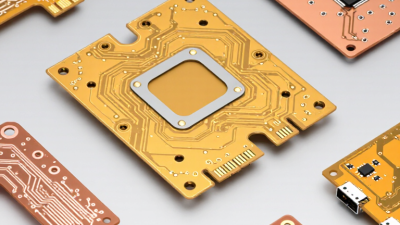
China’s leading flex PCB producers combine high-density design support with disciplined production control. Their facilities commonly handle single-sided, double-sided, and multilayer flexible circuits. Many also support rigid-flex assemblies for compact medical, automotive, industrial, and consumer devices.

Key capabilities include laser drilling, fine-line etching, automated optical inspection, and controlled impedance testing. Experienced engineering teams review stack-ups, bend radii, copper thickness, and adhesive selection before fabrication. They may also provide impedance reports, cross-section analysis, and first-article inspection data. Trace spacing can reach demanding levels, but the final result depends on material choice and process stability. Small details matter.

Material traceability is another important capability. Reliable producers record laminate batches, plating conditions, and inspection results throughout production. This supports repeat orders and helps buyers investigate defects quickly. Sample testing should include repeated bending, thermal cycling, soldering resistance, and connector fit. A factory may pass visual inspection yet fail after repeated flexing. That weakness is easy to miss.

Global buyers should assess engineering communication, prototype speed, yield records, and corrective-action procedures. Clear drawings reduce misunderstandings across time zones. However, factory claims still require verification through samples and documented tests. Some suppliers appear highly capable during small trials but struggle with stable volume production. That risk deserves attention. Regular technical reviews can expose process drift before it affects larger shipments.

How Global Buyers Can Compare Chinese Flex PCB Suppliers

Comparing Chinese flex PCB suppliers requires more than checking quoted prices. Grand View Research estimated the global flexible printed circuit board market at about USD 17 billion in 2023, with strong growth expected through 2030. This demand increases supplier variety, but not necessarily supplier quality. Buyers should compare stack-up capability, copper thickness, minimum bend radius, and tested yield. Ask for recent cross-section images and sample panels. Small details matter.

Request evidence, not promises. Review ISO 9001 certification, process-control records, solder-mask inspection methods, and electrical test coverage. IPC standards can help define acceptable workmanship and documentation. A capable supplier should explain impedance control, coverlay bonding, stiffener placement, and tolerance limits in practical terms. Compare quotations using the same Gerber files, material grades, panel utilization, tooling fees, and inspection scope. Otherwise, the lowest offer may simply exclude essential controls.

Lead time also needs verification. Ask for production records from a similar layer count and order volume. Confirm how engineering changes are logged and approved. A factory visit or live video audit can reveal storage conditions, humidity control, and operator discipline. These checks are imperfect. Audit photographs can be staged, and certificates can become outdated. Independent sample testing remains worthwhile, especially for medical, automotive, or high-reliability applications. Supplier comparison should measure repeatability, communication speed, and corrective-action quality, not only the first delivery.

Quality Standards and Certifications for International Orders

China Top Flex PCB Manufacturers for Global Buyers: Quality Standards and Certifications for International Orders

International buyers should audit evidence, not only certificates. Grand View Research estimated the global flexible electronics market at about USD 29 billion in 2023. That growth increases pressure on suppliers to prove stable production, especially for thin circuits with repeated bending. A capable manufacturer should provide ISO 9001 records, controlled work instructions, and batch-level traceability. Ask for the certificate scope and expiry date.

IPC-6013 defines qualification and performance requirements for flexible printed boards. IPC-A-600 supports visual acceptance, including conductor edges, holes, and dielectric condition. These standards matter during incoming inspection. They do not replace product testing. Request impedance reports, copper thickness results, peel-strength data, and bend-cycle evidence from the same production lot. Samples from another order can mislead.

Environmental documents also need careful review. Request RoHS and REACH declarations, material safety data, and laboratory test reports. Automotive orders may require IATF 16949 controls and PPAP documentation. In factory audits, I have found that traceability often fails at subcontracted plating or coverlay stages. That is an uncomfortable weakness. It should be checked directly. Prismark’s recent PCB industry analysis also identifies automotive, communications, and consumer electronics as major demand areas, each with different reliability risks. A certificate proves a management system existed; it does not guarantee every shipment will perform perfectly.

Sourcing, Pricing, Lead Times, and Export Support in China

China Top Flex PCB Manufacturers for Global Buyers

Sourcing flexible PCBs in China starts with a clear technical package. Share Gerber files, stack-up drawings, material requirements, tolerances, and annual volume. A reliable manufacturer should review bending radius, copper thickness, coverlay design, and surface finish before quoting. Ask for engineering feedback, not only a unit price. Cheap pricing can hide tooling charges, inspection costs, or expensive shipping. Request a detailed quotation with separate costs for prototypes, mass production, testing, and packaging. Payment terms and Incoterms should also be stated clearly.

Lead times vary with layer count, material availability, and order quantity. Simple prototypes may take two to three weeks, while complex production orders require longer planning. Confirm whether the quoted lead time includes engineering review and final inspection. Export support matters too. The supplier should provide commercial invoices, packing lists, certificates of origin when required, and shipment tracking. Check production records, quality procedures, and relevant certifications through verifiable documents. Do not rely on polished photos alone. I have found that early technical questions reveal more than factory presentations. Some assumptions will still be wrong.

Tips: Compare at least three written quotations. Approve a sample before mass production. Keep one approved reference board for future inspections. Confirm carton labels, moisture protection, and spare quantities before shipment. A small inspection fee may prevent a large production problem.