Top 10 PCB Printed Circuit Board Suppliers Worldwide?
Choosing a reliable pcb printed circuit board supplier is rarely a simple matter of comparing price lists. Buyers must examine engineering depth, production consistency, material control, delivery performance, and after-sales support. A polished website proves very little. Factory evidence matters more.
This guide introduces ten leading suppliers with strong international visibility and broad manufacturing capabilities. Their strengths differ. One may excel in high-density interconnect boards, while another serves automotive, medical, aerospace, or industrial controls. Some provide rapid prototypes. Others specialize in large-volume production with automated inspection, controlled impedance, and full traceability.
Dr. Hayao Nakahara, a respected PCB industry analyst, has observed, “The printed circuit board industry is a global industry, and its growth is closely tied to electronics demand.” That perspective remains useful today. Global demand is rising, but supplier quality is not equally consistent. A low quotation can hide tooling delays, weak documentation, or limited process control.
The ranking considers manufacturing scale, technology range, certifications, geographic reach, customer experience, and supply-chain resilience. It also recognizes an uncomfortable truth: no supplier is perfect for every project. A company serving smartphones may not suit safety-critical equipment. Certifications can expire. Capacity claims can change.
Look beyond impressive machinery. Ask about laminate sourcing, testing records, defect rates, engineering communication, and realistic lead times. This list is a practical starting point, not a final verdict. Careful verification is still necessary before placing a serious order.

Definition and Role of Printed Circuit Board Suppliers
Printed circuit board suppliers design, fabricate, test, and deliver the boards that connect electronic components. Their role extends beyond producing copper layers. They translate engineering files into reliable physical structures, select suitable laminates, control impedance, and verify dimensions before shipment. A supplier may also support prototyping, component placement, surface finishing, and production scaling. The work is technical and highly coordinated.
Market data shows why this role matters. Fortune Business Insights valued the global PCB market at about USD 89.7 billion in 2023 and projects it to reach roughly USD 130.9 billion by 2030. The report links growth to automotive electronics, communication equipment, industrial controls, and consumer devices. These sectors demand tighter tolerances and shorter development cycles. A small registration error can shift a microvia or weaken a high-speed signal path. That detail is easy to underestimate.
Supplier evaluation should therefore include more than price. Buyers should examine layer capability, trace-width control, material traceability, electrical testing, defect rates, and delivery consistency. IPC industry reports repeatedly identify supply-chain resilience and manufacturing quality as major electronics concerns.
Certification helps, but it is not proof of perfect execution. Factory audits, sample testing, and clear engineering communication remain necessary.
My practical view is simple: a supplier is part of the product-development team, not merely a purchasing option.
Even experienced teams can miss thermal expansion risks when specifications change late. This is where disciplined review matters.
Global Overview of the Top 10 PCB Manufacturers
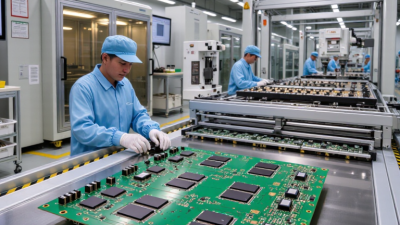
The global top ten PCB manufacturers represent different strengths, markets, and production models. Some focus on high-volume rigid boards, while others specialize in HDI, flexible, or rigid-flex circuits. Their facilities often support automated optical inspection, laser drilling, impedance testing, and controlled clean-room processes. These capabilities matter when boards serve vehicles, medical equipment, industrial controls, or communication systems.
A reliable manufacturer should provide traceability from laminate selection to final electrical testing. Certifications, process audits, failure analysis, and stable delivery records also deserve close attention. Revenue alone does not define quality. Rankings can change each year, and public data may be incomplete. That is worth remembering. A smaller supplier may outperform a larger one for complex prototypes, tight tolerances, or urgent engineering changes. Experience with similar layer counts and materials is often more useful than a polished website.
Tips:
Compare sample reports, not only price quotations. Ask about copper thickness, via reliability, inspection coverage, and corrective-action procedures. Request production samples when possible. Check whether engineering teams respond with measurable answers. One overlooked detail, such as uneven solder mask or weak documentation, can create expensive delays later.
PCB Products, Technologies, and Industry Applications
Top 10 PCB Printed Circuit Board Suppliers Worldwide
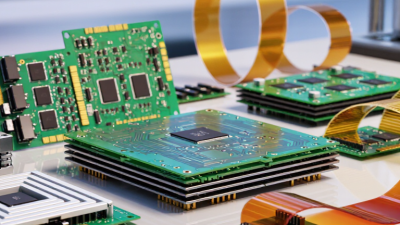
Leading worldwide PCB suppliers now offer more than standard circuit boards. Their product ranges include single-sided, multilayer, flexible, rigid-flex, and high-density interconnect boards. Each type serves a different engineering need. Flexible boards fit inside cameras, wearable devices, and compact medical equipment. Multilayer boards support dense computing systems, industrial controls, and communication hardware. Rigid-flex designs reduce connectors in moving assemblies.
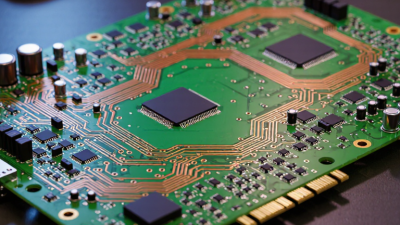
Technology selection affects cost, reliability, and production speed. Fine-line routing supports smaller components, while controlled impedance protects high-speed signals. Surface finishes must match soldering conditions and expected service life. Copper thickness also matters in power equipment.
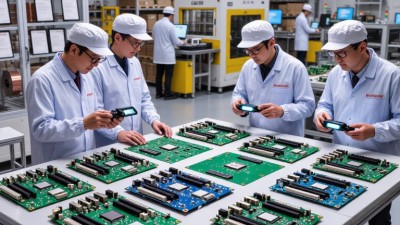
Heat changes everything. A board used near a motor may require heavier copper, stronger laminates, or thermal vias. Supplier audits should examine layer registration, automated optical inspection, electrical testing, and traceability records.
Industry application often determines the right production partner. Automotive electronics require vibration resistance and stable quality across large volumes. Medical systems demand disciplined documentation and dependable process control. Aerospace designs may need lightweight materials and strict inspection. Consumer products usually emphasize fast prototypes and competitive pricing. A supplier can look impressive on paper, yet still struggle with engineering communication. That risk is easy to underestimate. Design teams should review sample reports, factory capabilities, material certificates, and corrective-action records before approving production. Even careful sourcing can miss a weakness, especially when prototype quality exceeds mass-production consistency.
How to Select the Right PCB Supplier Worldwide
Choosing among the top 10 PCB suppliers worldwide requires more than comparing prices. Check their experience with your board type, layer count, materials, and production volume. A supplier making simple two-layer boards may struggle with fine-pitch components or high-density designs.
Request recent inspection records, sample reports, and clear process documents. Reliable suppliers explain impedance control, surface finish, solder-mask quality, and testing methods without vague promises. Ask how they handle design changes, rejected panels, and urgent replacement orders. During supplier audits, inspect storage conditions and moisture protection. Small details often reveal larger process weaknesses.
Tips: Send the same design package to several suppliers. Compare sample quality, delivery time, engineering feedback, and total cost. Do not judge by quotation alone. A low price can hide weaker testing or inconsistent materials.
Review communication before signing an agreement. Can the engineering team identify risks in your files? Do they provide measurable tolerances and written corrective actions? Check production capacity, equipment maintenance, traceability, and shipment controls. Independent customer references can confirm whether performance remains stable after the first order. I have found that fast replies do not always mean reliable execution. A supplier may sound professional yet lack enough technicians during peak demand. Build a small pilot order into the selection process, then examine solderability, dimensions, drilling accuracy, and documentation before scaling production.
Top 10 PCB Printed Circuit Board Suppliers Worldwide
How to Select the Right PCB Supplier Worldwide
This supplier-neutral evaluation model assigns a practical weighting to the main factors used when comparing PCB manufacturers. Quality systems, manufacturing capability, delivery reliability, testing, compliance, engineering support, cost, flexibility, supply-chain resilience, and communication should be assessed against your product requirements and applicable standards such as IPC, ISO, UL, RoHS, and REACH.