2026 Top Flexible Circuit Board Suppliers?
Choosing the right flexible circuit board supplier in 2026 requires more than comparing unit prices.
It requires evidence.
A reliable supplier should demonstrate practical experience with polyimide materials, copper thickness, coverlay control, and tight bend-radius requirements. Their engineering team should explain impedance, thermal stress, solder-joint fatigue, and connector placement clearly. Factory photographs help, but process records matter more. Look for traceability, controlled inspection, documented testing, and consistent communication from prototype to volume production.
Dr. John A. Rogers, a leading researcher in flexible and stretchable electronics, has said, “The ability to bend and stretch electronics changes where technology can go.” This idea remains important for medical wearables, automotive displays, aerospace controls, cameras, and compact consumer devices. A strong supplier does not simply produce a flat circuit that bends once. It designs for repeated movement, heat exposure, vibration, moisture, and assembly pressure.
This guide examines the 2026 flexible circuit board supplier landscape through practical criteria. These include engineering depth, manufacturing capacity, material options, quality systems, delivery performance, customization, and after-sales support. Certifications can support credibility, but they cannot replace real production evidence. A supplier may appear impressive online and still struggle with dimensional stability or prototype feedback.
No ranking is perfect. Supplier performance can vary by project, region, and order volume. Buyers should request samples, review inspection data, and test assemblies under realistic conditions. The best choice is not always the largest manufacturer. It is the partner that understands your failure risks, communicates limitations honestly, and improves the design before problems reach production.
What Is a Flexible Circuit Board?
What Is a Flexible Circuit Board?
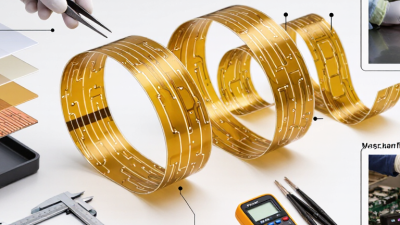
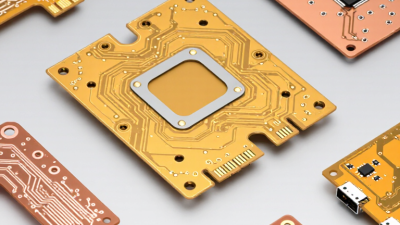
A flexible circuit board is a thin electrical circuit built on a bendable polymer substrate. Copper traces carry signals across that substrate. Unlike rigid boards, it can fold, twist, or fit around curved housings. Common materials include polyimide film, rolled copper, coverlay, and adhesive layers. In a wearable sensor, the circuit may follow a wrist. In a camera module, it can connect moving parts inside a narrow hinge.
Its value is practical, not cosmetic. Flexible circuits reduce wiring volume, assembly weight, and connector count. They also tolerate repeated movement when engineers control bend radius and copper design.
A 2024 Grand View Research report valued the global flexible electronics market at over 30 billion dollars. It also forecasts strong double-digit growth through 2030. That figure covers more than circuit boards, so it should not be treated as an exact FPC market value. The distinction matters.
Professional production requires more than thin materials. Engineers check impedance, layer alignment, thermal cycling, flex endurance, and surface finish. IPC standards support consistent design and acceptance practices. Yet real performance can still vary. A circuit that passes a static test may fail after thousands of tight bends. I have seen this risk underestimated when enclosure movement is ignored. Early prototypes should imitate actual folding, heat, vibration, and connector stress. Small layout changes can prevent expensive redesigns.
How to Evaluate Flexible Circuit Board Suppliers in 2026
Evaluating flexible circuit board suppliers in 2026 requires more than comparing unit prices. Demand is expanding across medical devices, automotive electronics, and compact consumer products. Fortune Business Insights projects the global flexible electronics market to grow from about USD 32.9 billion in 2024 to USD 85.3 billion by 2032. This growth increases pressure on material control, production capacity, and delivery reliability.
Review each supplier against IPC-2223 and IPC-6013 requirements. Ask for measurable data, not polished promises. Useful evidence includes copper thickness tolerance, bend-cycle results, impedance reports, yield rates, and corrective-action records. ISO 9001 supports process consistency, while automotive applications may require IATF 16949. Also check whether the supplier performs laser drilling, coverlay lamination, surface finishing, and electrical testing in-house. Outsourcing is not automatically risky. Poorly managed outsourcing is.
Tips:
Request three recent production samples. Inspect vias, stiffener alignment, exposed pads, and edge quality under magnification. Compare the approved sample with mass-production parts. A strong supplier should explain deviations clearly. Ask for lot traceability and retention periods for test records. Confirm capacity using actual monthly output, not maximum equipment ratings.
Cost deserves careful interpretation. A cheaper quote may exclude tooling, inspection, engineering changes, or expedited shipping. A higher quote may reflect tighter controls, but it can still hide weak communication. Score suppliers across quality, lead time, technical support, financial stability, and change management. Keep the scoring sheet. Recheck it after the first production run. Supplier selection is rarely perfect.
Top Flexible Circuit Board Suppliers and Their Core Strengths
In 2026, leading flexible circuit board suppliers will compete on more than price.
Their core strengths include material control, fine-line fabrication, and stable high-volume production. Experienced suppliers can recommend polyimide grades, copper thickness, and coverlay options for each bend pattern. They also understand where a circuit may crack after repeated folding. That practical knowledge matters during design reviews. Strong engineering teams can check stackups, bend radii, impedance targets, and connector alignment before tooling begins. Small errors become expensive quickly.
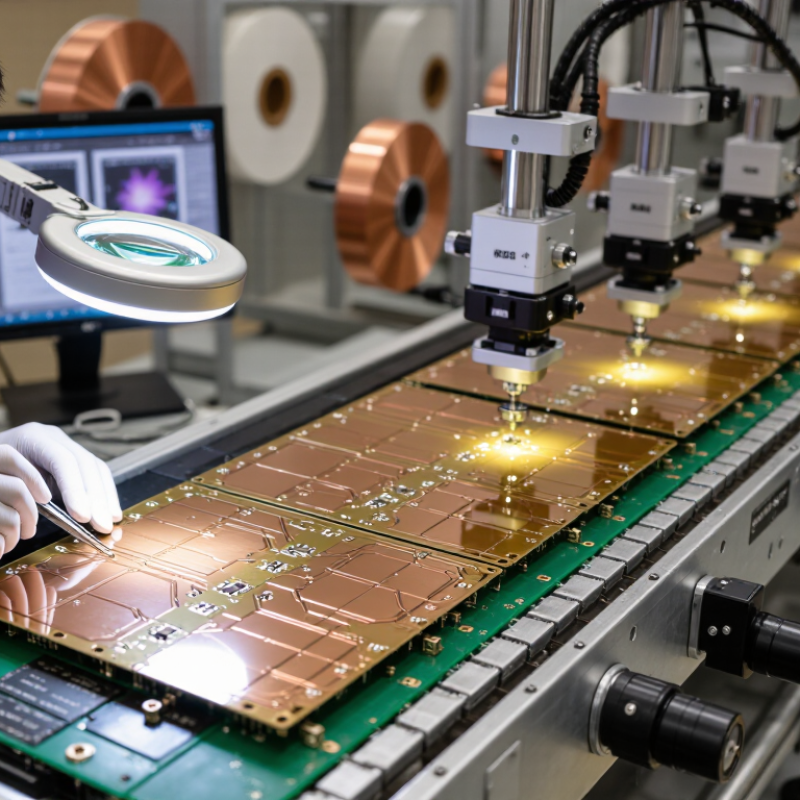
Reliable manufacturers should provide traceable inspection records, controlled process data, and clear sample approval steps. Automated optical inspection can detect spacing defects, while electrical testing confirms continuity and isolation. Strong suppliers also maintain backup material channels and realistic capacity plans. This reduces disruption when demand changes. However, no supplier is perfect. Some excellent prototypes fail during mass production, especially when bend cycles were underestimated. Ask for evidence from comparable applications, not polished promises. Site audits, pilot runs, and failure-analysis reports reveal more than sales presentations. They do not replace engineering judgment.
Tips: Request a bend-life test using your actual radius, temperature range, and assembly conditions. Compare first-article results with production samples. Check whether the supplier explains defects openly. Vague answers deserve caution. Keep drawings, revisions, and acceptance criteria synchronized. A missing note can create a costly mismatch.
Key Industries Using Flexible Circuit Board Technology
2026 Top Flexible Circuit Board Suppliers?
Key Industries Using Flexible Circuit Board Technology
Flexible circuit boards support products that need movement, compact wiring, or lower weight. Their thin copper layers can bend around hinges, cameras, and curved housings. In 2026, leading suppliers will need more than attractive pricing. They should provide controlled impedance, stable bend performance, and traceable inspection records. Design reviews should confirm layer alignment, copper thickness, and minimum bend radius before production begins.
Medical equipment uses flexible circuits in patient monitors, imaging tools, and compact diagnostic devices. Reliability matters because repeated cleaning, vibration, and tight internal spaces can stress the circuit. Aerospace systems also use them to reduce wiring weight around seats, displays, and control panels. These applications require documented materials, thermal-cycle testing, and consistent batch quality. Small defects can become expensive problems.
Automotive electronics place flexible circuits near lighting modules, dashboards, sensors, and moving doors. Wearable devices depend on thin circuits that follow curved surfaces without irritating the user. Industrial robots use them around joints, where repeated motion can expose weak copper or poor adhesive bonding. Telecommunications equipment benefits from lighter interconnects and controlled signal paths. The details matter.
Supplier claims still need verification. A sample may pass while a larger batch fails. That risk deserves honest attention. Engineers should compare cross-sections, test reports, process controls, and field experience before approval. Flexible circuits are not automatically durable. Their performance depends on materials, geometry, assembly pressure, and real operating conditions. Testing should resemble the final product, not an ideal laboratory setup.
How to Select the Right Flexible Circuit Board Supplier
2026 Top Flexible Circuit Board Suppliers?
How to Select the Right Flexible Circuit Board Supplier
Selecting a flexible circuit board supplier requires more than comparing unit prices. Start with your application’s bending radius, layer count, copper thickness, and operating temperature. A supplier should explain how its materials fit those demands. Vague answers usually indicate weak process control.
Request sample boards from production tooling, not hand-built prototypes. Inspect the coverlay edges, plated vias, stiffener alignment, and exposed contact areas. Ask for bend-cycle data under conditions similar to your product. For high-speed designs, review impedance records and test methods. For medical, automotive, or industrial equipment, verify traceability, inspection reports, and compliance with recognized industry standards. Quality certificates help, but they do not replace evidence.
Talk with the engineers who will support your project. They should identify design risks before fabrication, such as sharp corners, crowded vias, or inadequate strain relief. Confirm their control of etching, lamination, drilling, and final electrical testing. Delivery reliability also matters. Review capacity, backup equipment, material availability, and corrective-action history.
No checklist is perfect. We have seen attractive samples fail after repeated flexing because the test conditions were too gentle. Price comparisons can also mislead when tooling, scrap, or inspection costs appear later. A practical supplier communicates limitations clearly and accepts technical questions without defensiveness. That behavior often reveals more than a polished sales presentation.
2026 Top Flexible Circuit Board Suppliers? How to Select the Right Supplier
A practical supplier-selection model for flexible circuit boards. The suggested weighting reflects the factors most commonly used in engineering, procurement, and quality assessments: manufacturing capability, quality control, delivery reliability, engineering support, and total cost.
Use the weighting as a starting point, then adjust it according to your application. Automotive, medical, aerospace, and high-density electronics projects generally require stronger emphasis on traceability, qualification, reliability testing, and process control.